Using Ultralytics YOLO models for slab leak detection
Explore how computer vision models like Ultralytics YOLO11 can help with slab leak detection by spotting moisture, heat patterns, and surface cracks early.
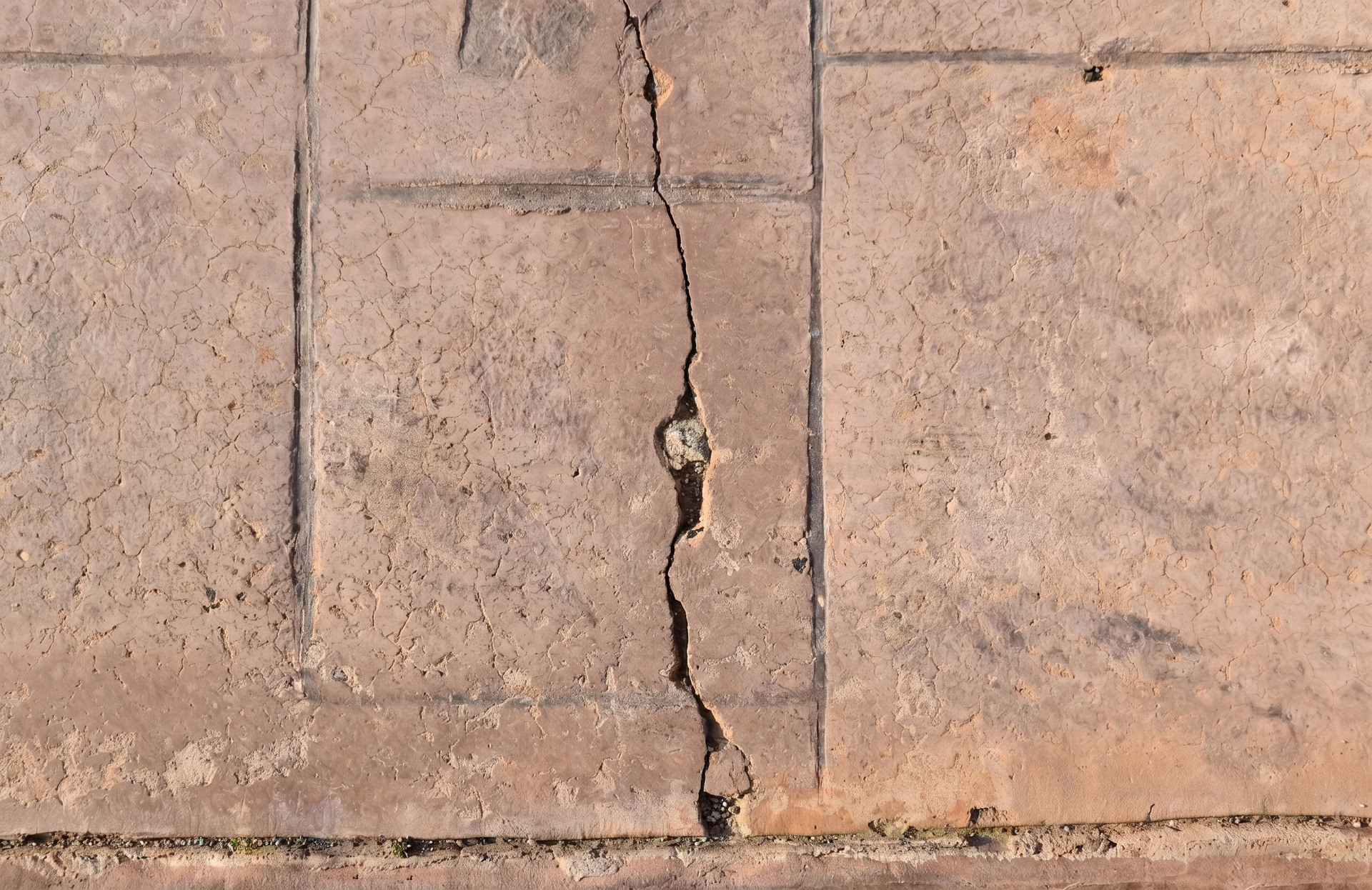
Maintaining a building comes with various routine tasks like fixing clogged drains or repainting walls. Most problems show visible warning signs when maintenance slips. However, some are harder to detect and more costly when missed.
For instance, slab leaks are plumbing leaks that develop beneath a building’s concrete slab foundation, often staying hidden until they cause high water bills, damp floors, mold growth, or even structural damage. In fact, slab leaks can spread quietly for months before clear signs appear.
A common cause is a leaking hot-water line beneath the floor, which can create warm spots on tile or unexplained moisture. Slab leaks can occur in buildings and homes of any age and are often linked to pipe corrosion, shifting soil, or high water pressure.
Detecting these leaks accurately is critical, but traditional methods often rely on human experts and specialized tools that come with limitations. Fortunately, cutting-edge technologies are changing how slab leaks are identified.
In particular, computer vision, a branch of artificial intelligence (AI) focused on analyzing images and visual patterns, is becoming a key tool for detecting subtle leak signs like moisture, cracks, and heat changes. In this article, we’ll explore what slab leaks are, why they’re a serious problem, and how computer vision models such as Ultralytics YOLO11 can support faster and more accurate slab-leak detection. Let’s get started!
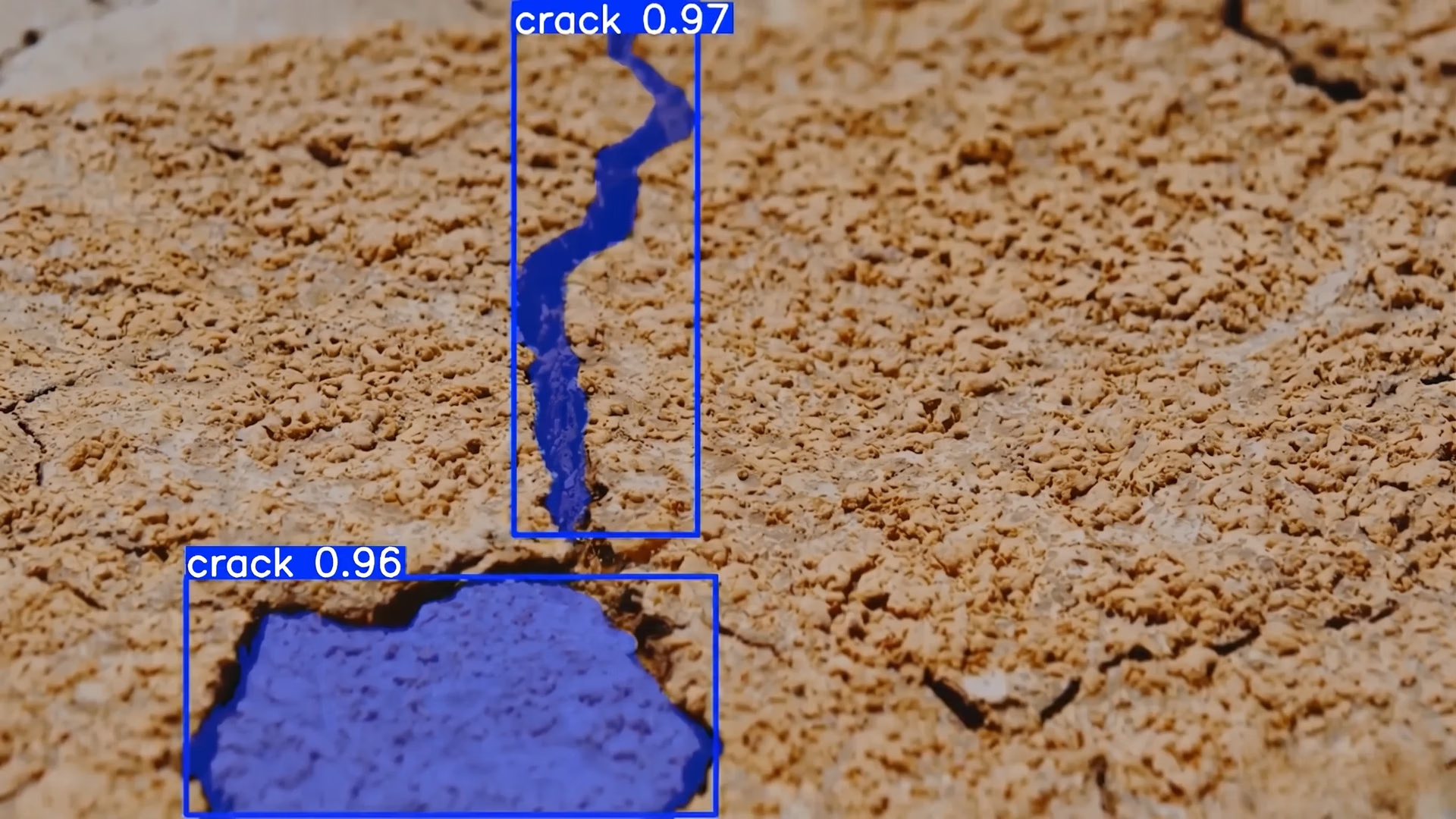
Fig 1. An example of using YOLO11 to detect surface cracks. (Source)
Slab leaks quietly raise costs and risk#
A slab leak is a plumbing leak that develops beneath the concrete foundation of a building. It is typically caused by factors such as aging copper pipes, corrosion, shifting soil, poor installation, or excessive water pressure, which stress the plumbing system over time.
For example, when a leak occurs in a hot-water line, the constant heat can speed up the deterioration of the pipes and weaken the surrounding concrete and soil. This allows the problem to spread faster.
Some early warning signs include warm or damp spots on the floor, the sound of water running even when all taps are off, low water pressure, or a sudden jump in your monthly water bill. In more severe cases, property owners or homeowners may notice cracks in the flooring, mold growth, or uneven areas in the foundation.
Ignoring these early signs can lead to major risks later on, such as soil erosion beneath the house, larger foundation cracks, damaged flooring, and long-term structural issues that can be expensive to repair. That’s why accurate slab leak detection is important; finding the leak quickly helps avoid unnecessary excavation, reduces repair costs, and prevents further damage to the building’s foundation.
Common causes of slab leaks#
Slab leaks can stem from several factors, and most build up gradually over time. For example, corrosion in copper pipes can develop due to mineral content in the water, soil chemistry, or overall water quality. At the same time, high water pressure can strain underground lines, making cracks or bursts more likely.
Beyond corrosion and pressure, everyday friction can also play a role. In some homes, pipes rub against concrete, gravel, or other hard surfaces, and this constant abrasion slowly wears down the pipe walls. Add shifting soil or gradual foundation settling, and the stress increases further, leading to bends, weak points, or even breaks in the line.
Installation quality matters too. Poor installation, such as weak joints or improperly supported pipes, can leave the system vulnerable from the start. Finally, long-term exposure to hot water can accelerate copper pipe deterioration, causing pipes to thin out and fail sooner.
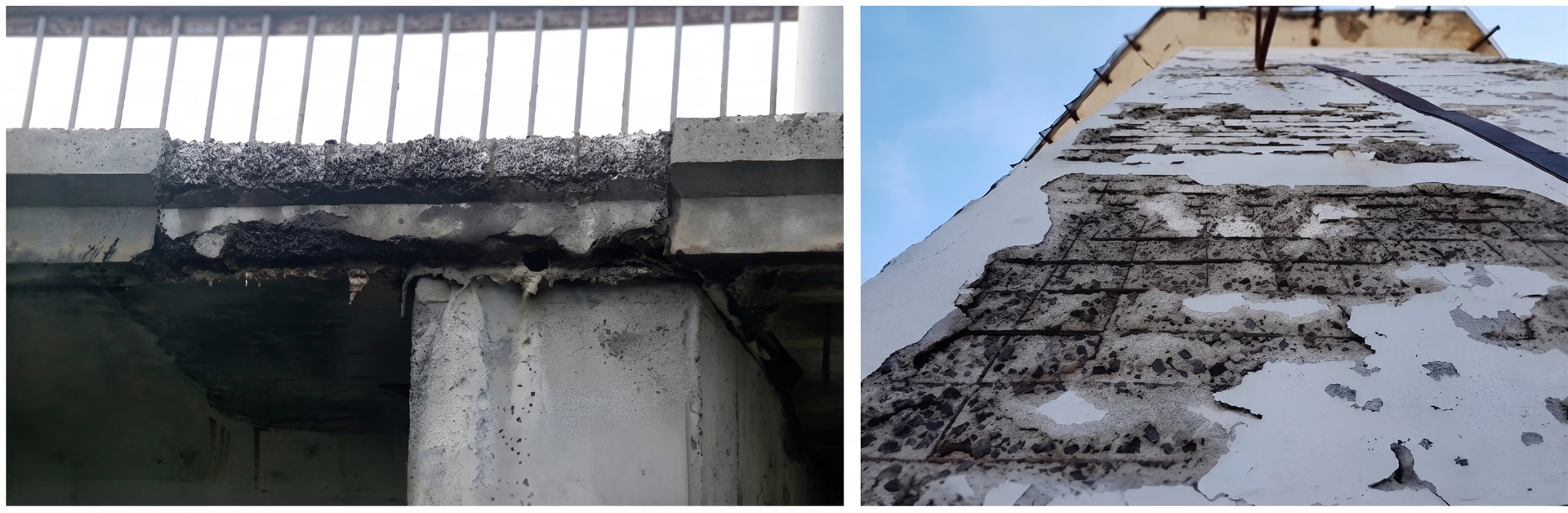
Fig 2. Water leaks and water damage can lead to surface cracks and building deterioration. (Source)
DIY vs professional water leak detection#
Now that we have a better understanding of how slab leaks happen, let’s look at how they’re typically detected and repaired.
Depending on the severity and your experience, you can try a DIY (do it yourself) approach or bring in a professional plumber or leak specialist. If you choose to handle it yourself, there are a few common repair options.
Here’s an overview of the steps involved:
- Locate the leak: The first step is to locate the leak. Some are easy to detect; others may be trickier and require specialized tools, such as thermal sensors, to detect hot-water leaks.
- Small slab leak repairs: Once a leak has been detected, you can open the slab around the leak, fix the damaged pipe, and patch the concrete. This is best for small, isolated leaks.
- Rerouting: As a preventive measure, you can run new pipes through walls or ceilings to bypass the damaged line. This is a good option for avoiding future slab leaks.
- Repiping: You can also replace larger sections or even the entire building’s plumbing, especially when pipes are old or multiple leaks are present.
- Final checks and maintenance: Pressure-test the system, restore any finishes or related heating, ventilation, and air conditioning and electrical areas, and perform periodic maintenance checks.
A couple of simple maintenance checks anyone can do include monitoring the water meter, listening for running water when all taps are off, and checking for damp or unusually warm areas on floors.
While these steps can catch early warning signs, hidden leaks often require a professional. With smart leak detection equipment, experts can locate leaks more accurately and with less disruption, helping prevent damage and avoid high water bills.
Traditional tools used for leak detection#
Professional plumbers use a mix of tools and leak detectors to find slab leaks without tearing up floors. For instance, infrared cameras and thermal imaging help detect temperature changes from leaking hot water, while acoustic detectors pick up the sound of leaks deep under concrete.
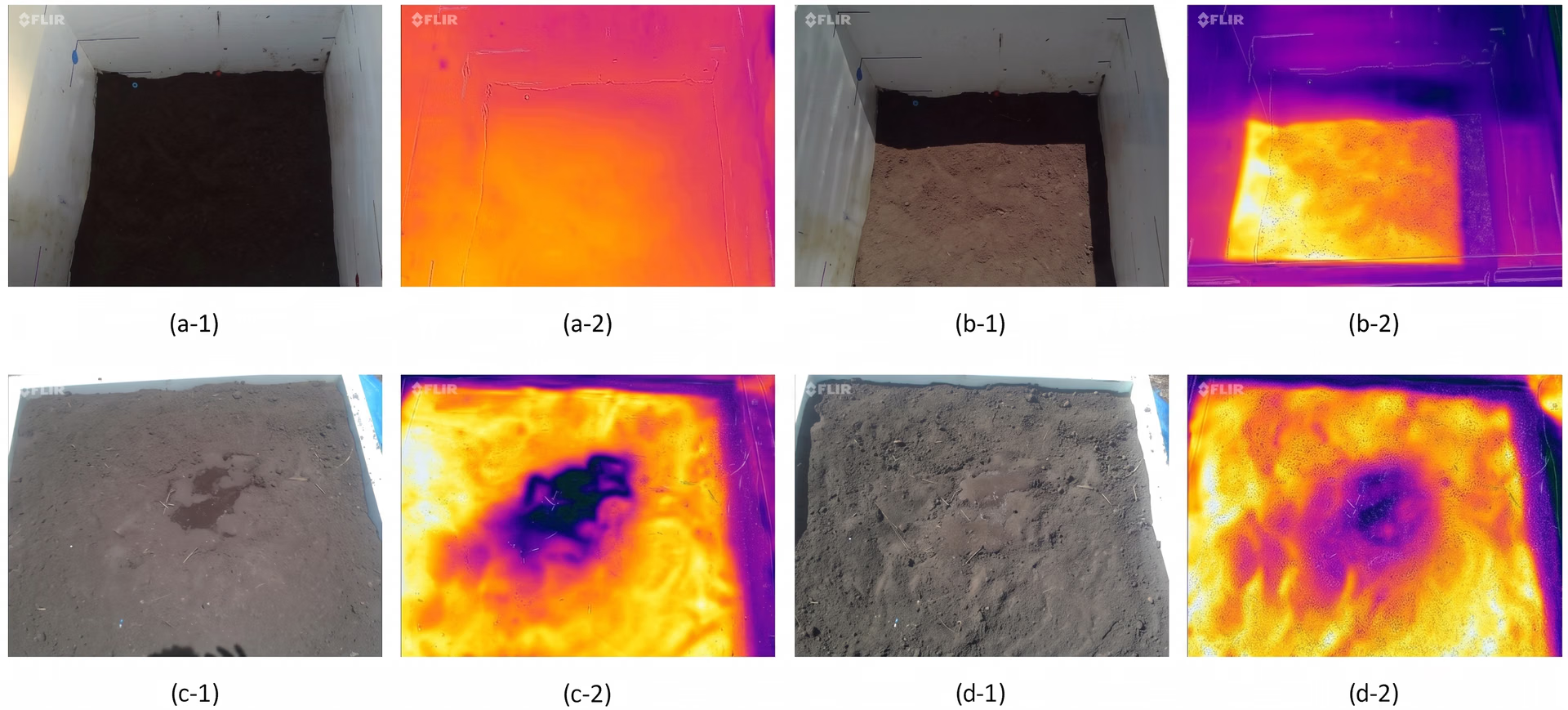
Fig 3. Analyzing thermal images can reveal cold and hot spots caused by leaks. (Source)
Similarly, pressure testing confirms whether the plumbing system is losing pressure, and moisture meters help track damp areas near the surface. By using all of these tools, plumbers can accurately locate pipe leaks, separations, or sewer line damage and avoid unnecessary guesswork or disruption.
However, these tools are not perfect. For example, thermal imaging can miss small or slow leaks, especially when temperature differences are minimal.
Overall, accurate detection still depends on the technician’s skill and experience. This is why newer technologies like AI and computer vision are being adopted for inspections. They help spot subtle moisture, temperature changes, or surface signs that traditional tools can overlook.
The role of computer vision in slab leak detection#
Next, let’s walk through how computer vision is redefining slab leak detection.
Computer vision systems work by using vision AI models such as Ultralytics YOLO11 or the upcoming Ultralytics YOLO26. These models support various computer vision tasks that make it possible to analyze visual data, spot patterns quickly, and flag potential issues during inspections.
Datasets that include real inspection photos, thermal images, and annotated examples of leak related signals are key to training a model that can reliably spot subtle indicators in real world conditions. Once trained, the model can apply these learned patterns through core vision tasks to pinpoint what to look for and where.
For instance, they can detect objects (like water pipes), segment areas (like cracks or faults in pipes) to create precise boundaries, estimate the pose and alignment of objects, track objects across frames, and use oriented bounding boxes (OBB) to accurately locate rotated or angled objects.
Technicians can also use computer vision models to analyze thermal imagery, automatically highlighting abnormal temperature patterns and mapping them to specific areas for closer inspection. Beyond detection, these outputs can help standardize assessments, prioritize high-risk areas, and create clear visual documentation for reporting and follow-up inspections.
Identifying signs of a slab leak using Ultralytics YOLO models#
Out of the box, Ultralytics YOLO models are available as pre-trained models. This means they’ve already been trained on popular datasets like the COCO dataset, so you can use them to detect general objects like people, cars, and everyday items.
However, to support inspections like slab leak detection, you can fine-tune the model on more relevant data, such as thermal images, floor and foundation photos, and labeled examples of moisture stains, cracks, and other leak-related signals. This helps the model learn the subtle patterns that matter in real inspection settings, rather than only recognizing common objects.
An interesting example is using Ultralytics YOLO11 for concrete crack detection and segmentation. Research has shown that a YOLO11-based approach can identify cracks in real time by learning fine surface patterns and focusing on the most informative regions of an image.
Since slab leaks often lead to visible damage like cracks, staining, or surface deterioration, this kind of crack-focused detection can act as an early warning signal even before the leak source is confirmed.
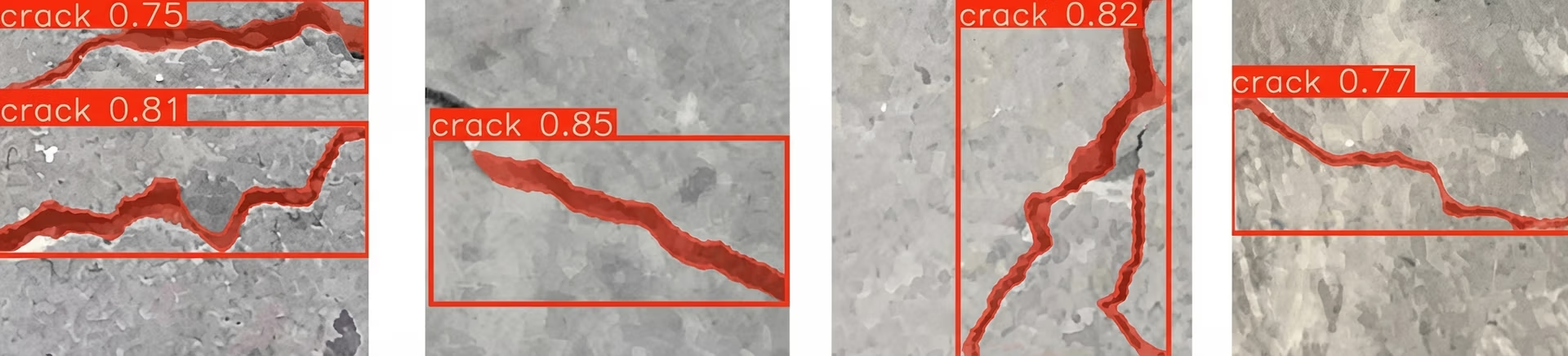
Fig 4. Detecting cracks using Ultralytics YOLO11 (Source)
Key takeaways#
Slab leaks are hard to detect and can cause major damage if left unchecked. By pairing traditional plumbing methods with computer vision models like Ultralytics YOLO models, professionals can spot leak-related signs earlier and narrow down problem areas faster. This can reduce unnecessary demolition and help lower repair costs.
Explore our active community and discover innovations such as AI in manufacturing and vision AI in retail. Visit our GitHub repository and get started with computer vision today by checking out our licensing options.








