Powering real-world AI solutions across industries
Explore real-world successes powered by Ultralytics. From improved efficiency to cutting-edge innovation, discover how our solutions drive impact across industries.

Trusted by the world's leading organizations










What our clients say
The Ultralytics Platform has been a game changer for us. It makes it so easy for our data scientists to create datasets, train new models quickly using cloud compute, compare experiments with different model settings, and ultimately identify the best model for each problem. It has become our first stop for experimentation for object detection, instance segmentation, and semantic segmentation.
Tyler Biesel, Manager Software Engineering
Ultralytics YOLO is a key component of SK Godelius’ computer vision pipeline alongside multimodal sensing, giving us the accuracy to identify exactly which parts are failing, keeping workers safe and our inspections consistent.

Ultralytics YOLO models helped us boost our AI service implementation speed by 25.2%. They are easy to deploy and provide excellent real-world performance, delivering greater speed, accuracy, and scalability without compromising operational performance.

We've been really enjoying the infrastructure that you get with Ultralytics for training, and we especially like how easy it is to get started with it. It was straightforward, especially when building our dataset and running the “train” function.

Of all the models we evaluated, YOLO was by far the fastest for our use cases.

We wanted to improve the accuracy with which our model could classify heterogeneous material classes, while decreasing the amount of manual labor required from our team. Switching to Ultralytics YOLO was the key to unlocking these performance improvements.

With Ultralytics YOLOv8 nano, we can retrain on the edge and ship a new model in hours instead of weeks, transferring a fraction of the data. That combination of accuracy and a tiny footprint is exactly what our environments need.

Ultralytics YOLO models are easy, accurate, and flexible. This helped us reduce patrol time by around 30% on average.
Everything became much simpler when we made the step to move to Ultralytics. You can train, predict, and export anything with one line of code.

The ability to train and deploy Ultralytics YOLO models through the Ultralytics Python package is very solid. Combined with fast inference, it enables us to process images quickly and deliver real-time feedback on construction sites.

With Ultralytics, we've been able to improve speed with higher accuracy compared to other models. The compatibility with various frameworks - CUDA, TensorRT, ONNX, OpenVINO - has been super helpful in fine-tuning the weights in R&D and then optimize them for whatever hardware we have.

We're just scratching the surface. With Ultralytics YOLO, we have the foundation to develop solutions that are not only safer but smarter, enabling real-time insights that can save lives and transform the way industrial safety is managed.
We make computer vision-enabled robots to pick and place ingredients on food production lines. Robotic manipulation demands below-centimeter precision, and Ultralytics YOLO models are great at providing that level of accuracy.

The performance of Ultralytics YOLO models on our STM32 microcontrollers opens up new horizons for computer vision at the edge. With streamlined integration and support for multiple model variants, developers have exactly what they need to build scalable and responsive embedded vision solutions.

YOLO from Ultralytics has been a real pleasure to use. The Python library is remarkably smooth and consistent across both training and inference…in practice, integration into our pipeline was remarkably frictionless, which is rare.

The Ultralytics Python package allows us to train models very easily and quickly. Furthermore, its standardization across different models and new versions of YOLO ensures a high degree of stability over the years.

Integrating Ultralytics YOLO into our Instabase AI platform has been an easy and painless process. It helped accelerate the release schedule and enable us to deliver visual object recognition capabilities to our customers.

They transform visual data into actionable insights with exceptional accuracy and efficiency. By combining Ultralytics YOLOv8 with the IMX500 sensor from SSS (Sony Semiconductor Solutions Corporation), this partnership brings powerful, on-device AI capabilities that enhance real-time decision-making for businesses relying on high-performance visual data processing.
Wei Tang, Business Development Manager

Ultralytics YOLO models have been a great match for our Metis AI Processing Units (AIPUs). They're easy to integrate, run efficiently, and help our customers get impactful Vision AI applications up and running at the edge in no time.
At ALYCE, leveraging Ultralytics has been a game-changer for training our models, enabling us to enhance data accuracy and deliver unparalleled quality to our clients and assist them in their sustainable mobility projects.
Ultralytics YOLO models have worked really well for us across many different underwater environments, from tidal turbine sites to ports and coral reefs. The accuracy and reliability make it something we lean on heavily in our environmental monitoring work across marine energy and research projects.

Ultralytics is a very powerful and easy solution to use to develop prototypes, but also to develop final solutions.
Normally, training a machine learning model takes a huge amount of time, and you often have to wait two to three days for the inference and then decide if the accuracy is good enough. But with Ultralytics YOLO, we can train the model in a single day, make decisions quickly, and rapidly learn from the results. Once trained, we can also enhance the dataset to further improve the performance.
Ultralytics' YOLO models are game-changers in the AI industry. The YOLOv5 and YOLOv8 models are favored by developers for their ease of use, state-of-the-art performance, and accuracy. Paired with OpenVINO, these models offer the potential for the best out-of-the-box performance on modern CPUs.
Explore all customer stories
Discover how teams use Ultralytics YOLO to solve real-world computer vision challenges.
Sep 21, 2026
Sep 17, 2026
Aug 24, 2026
Aug 13, 2026
Aug 11, 2026

Jul 8, 2026
Jun 24, 2026
Jun 23, 2026
Jun 15, 2026
Jun 8, 2026

Jun 3, 2026
May 22, 2026
Explore industry solutions
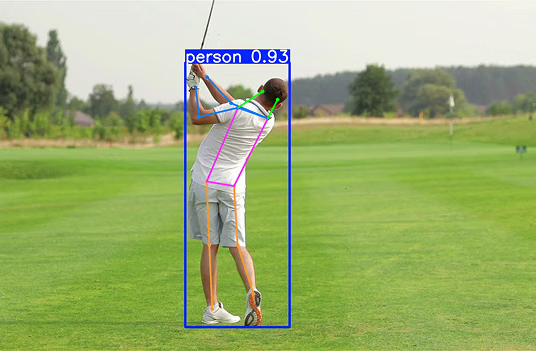
Computer vision in sports

Computer vision for aerial imagery

Computer vision in aerospace

Computer vision in security
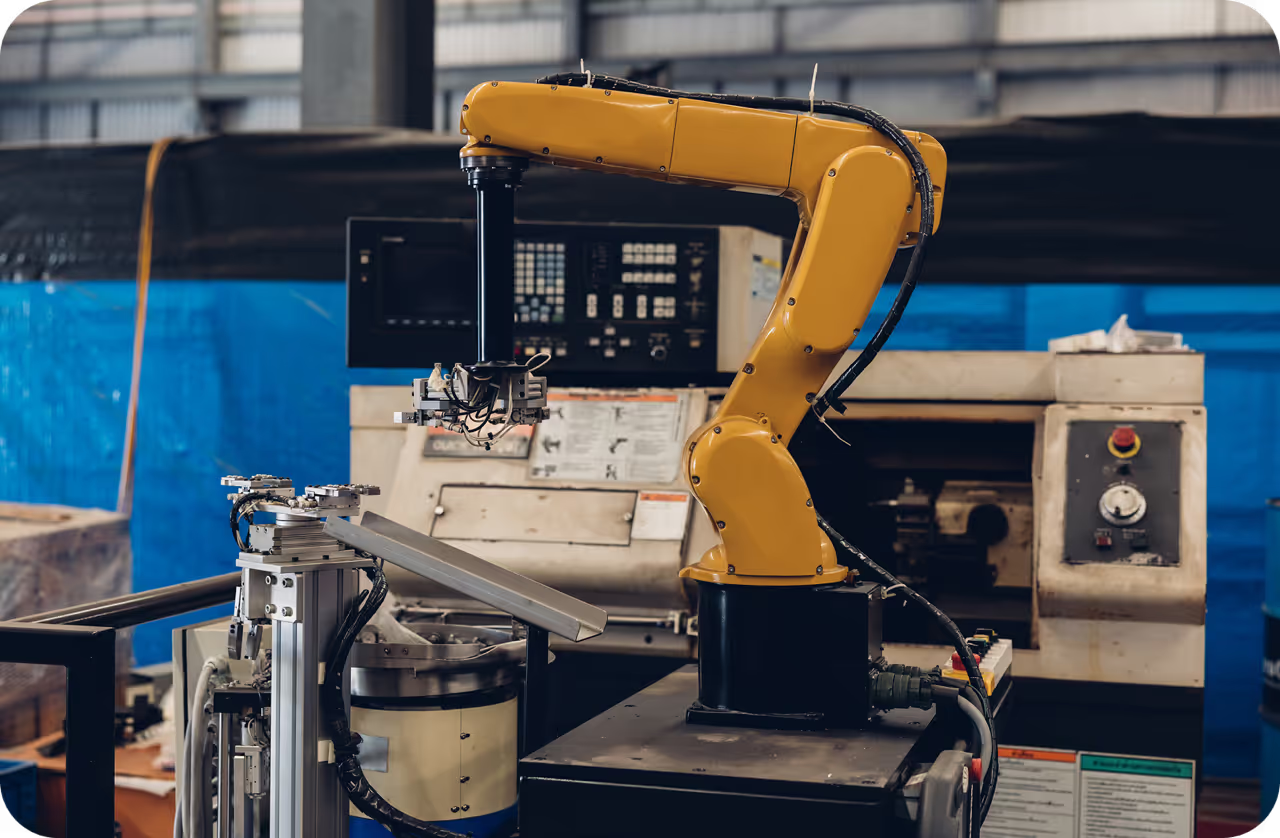
Computer vision in robotics
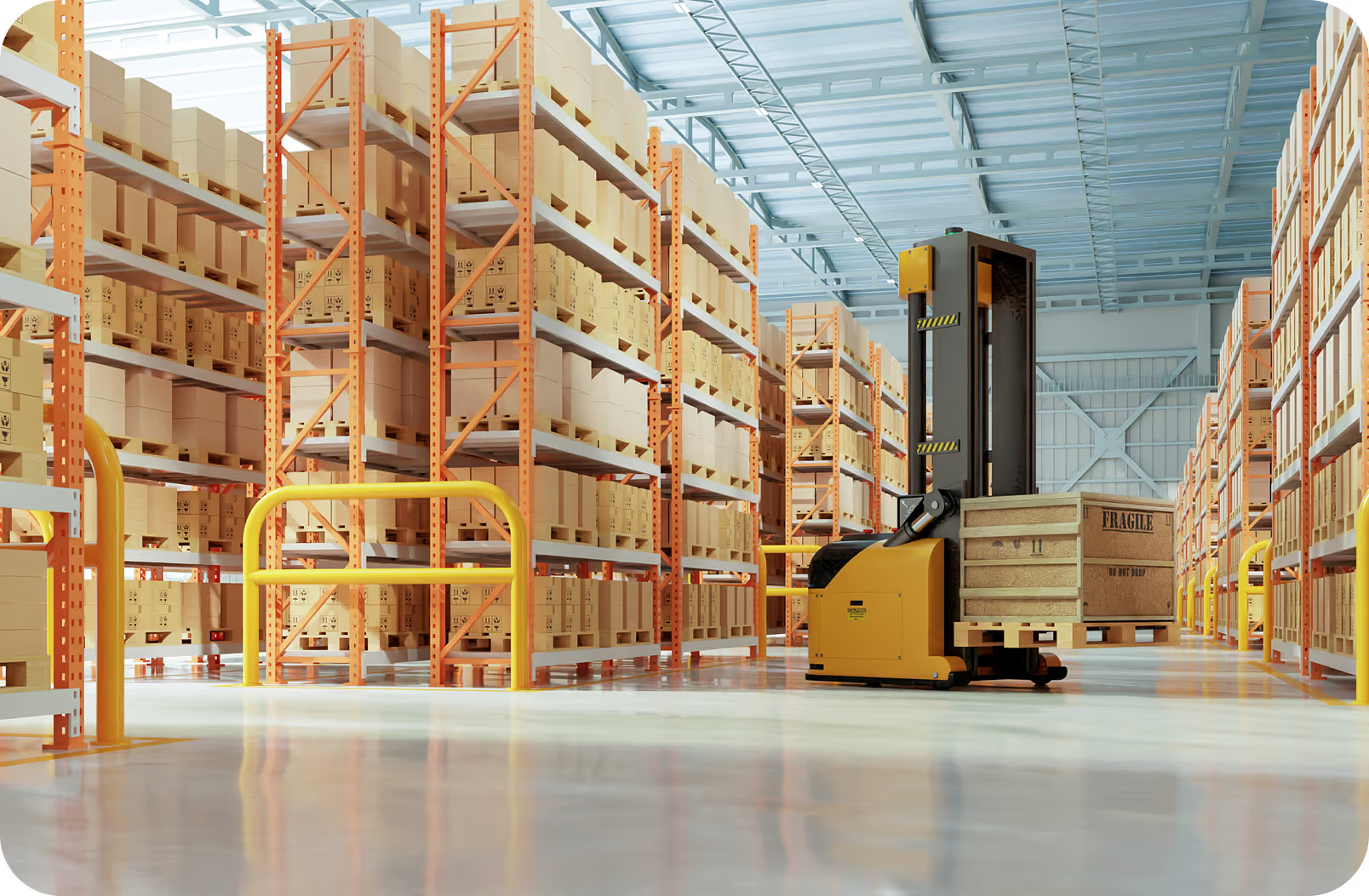
Computer vision in logistics
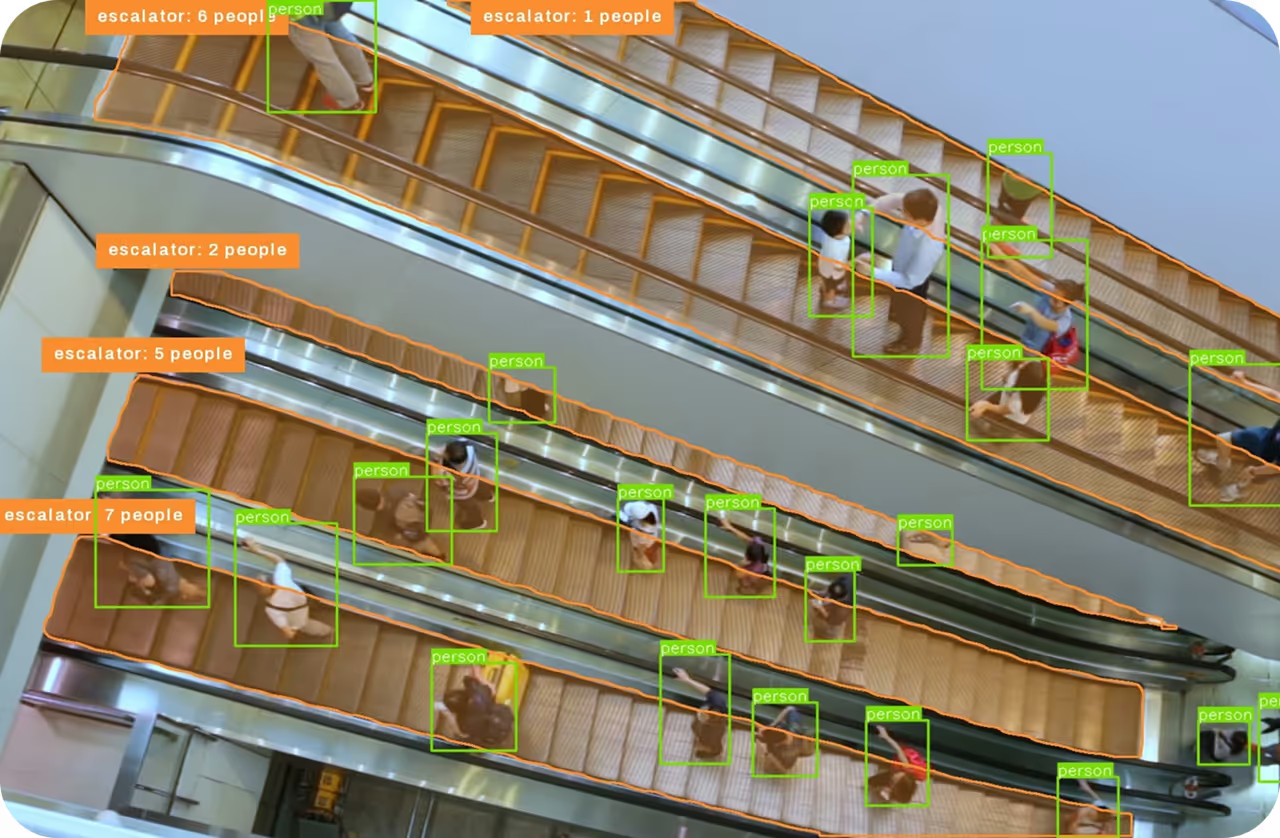
Computer vision in retail

Computer vision in healthcare
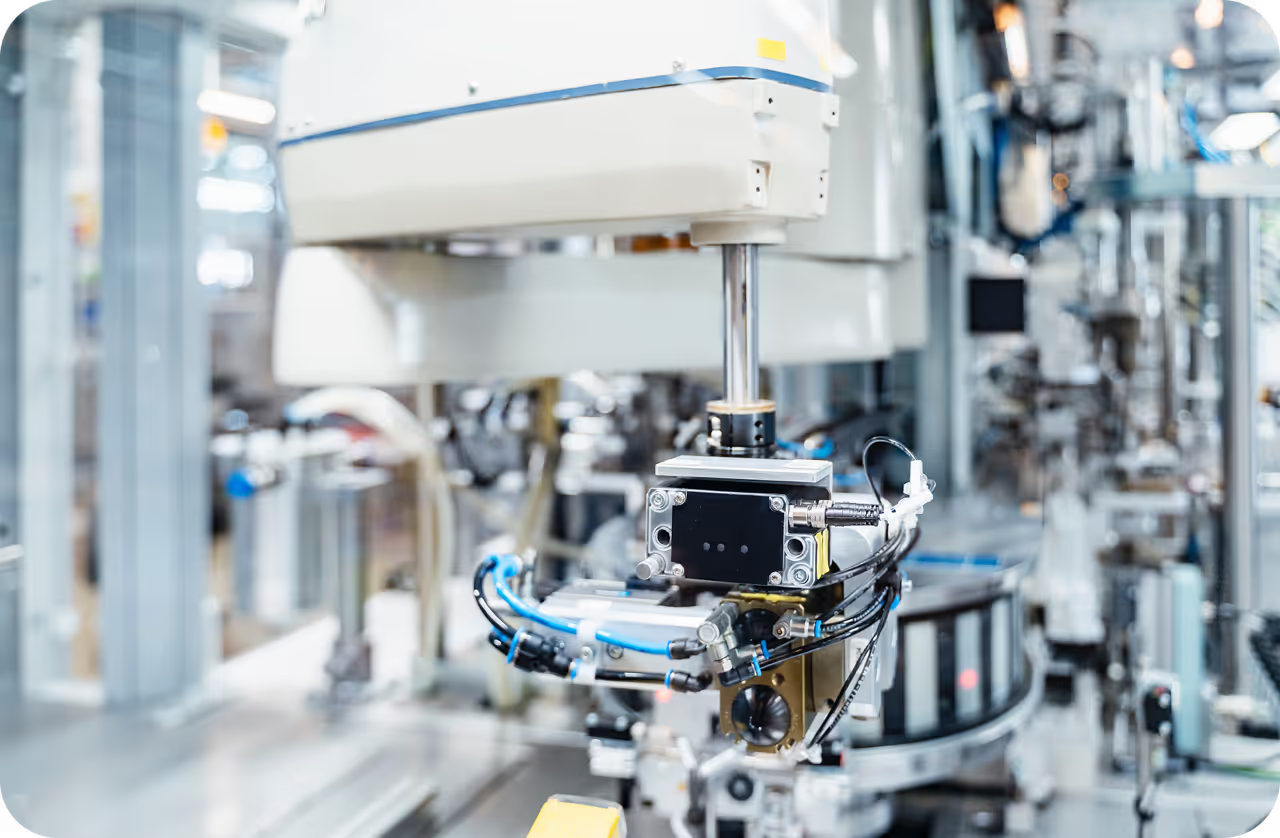
Computer vision in manufacturing
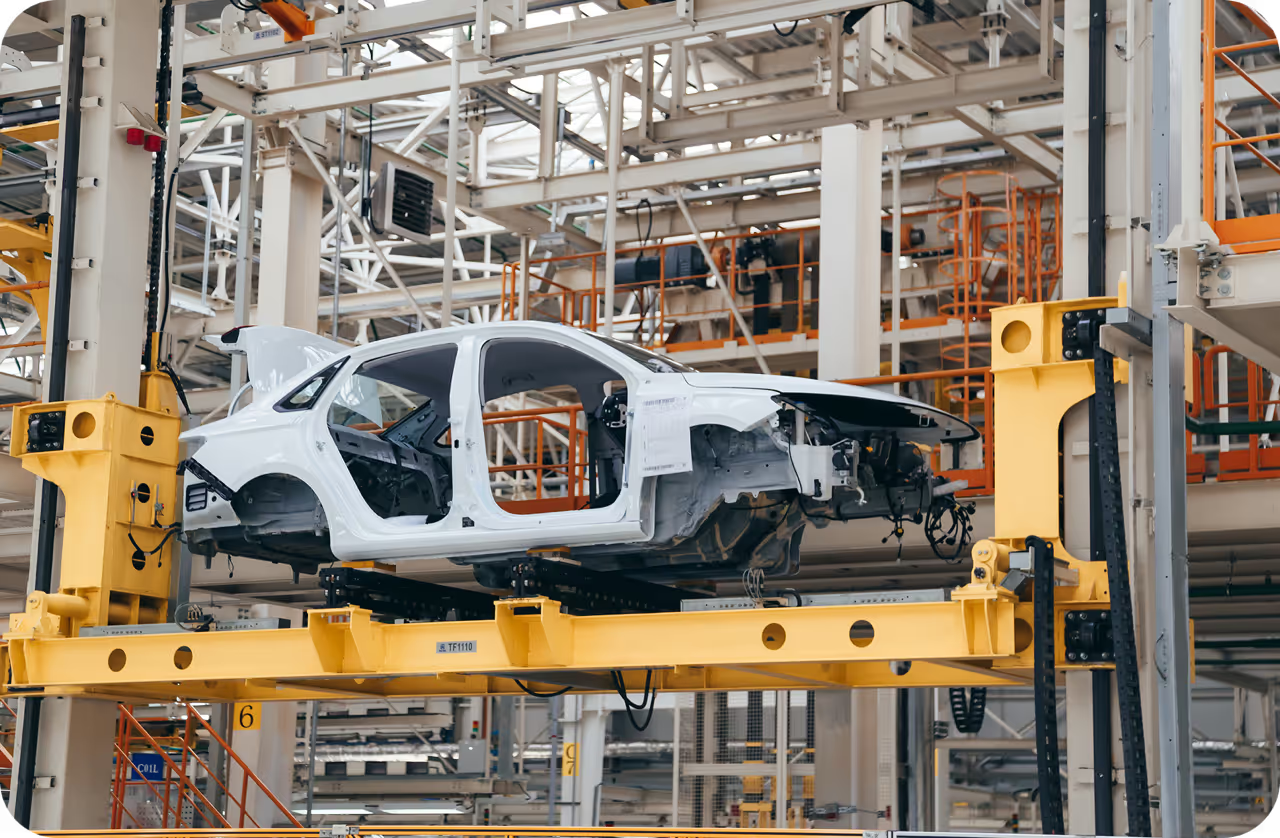
Computer vision in automotive
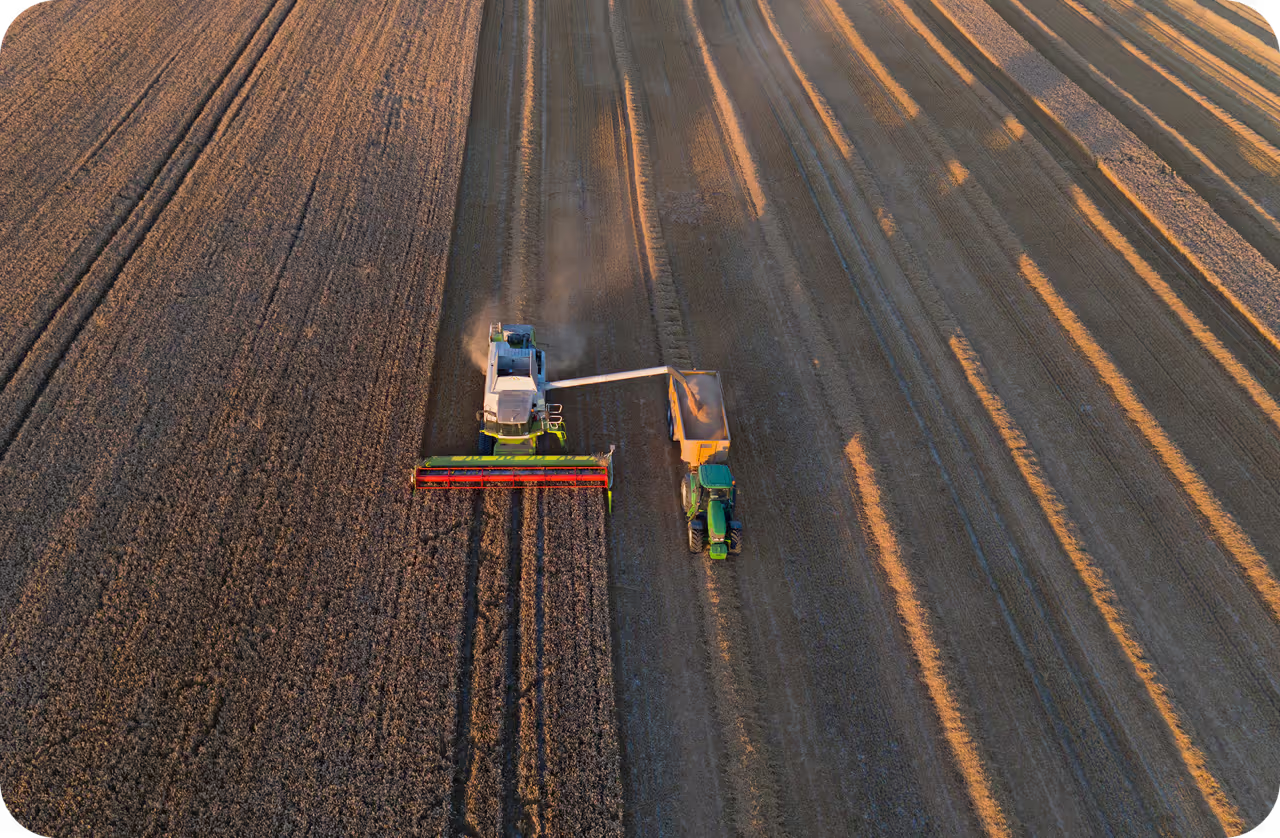
Computer vision in agriculture
Build real-world vision AI with Ultralytics
Deploy scalable production-ready solutions with Ultralytics YOLO
Frequently asked questions
Ultralytics YOLO repositories are distributed under the AGPL-3.0 License by default. This OSI-approved license is designed for students, researchers, and enthusiasts, promoting open collaboration and requiring that any software using AGPL-3.0 components also be open-sourced. While this ensures transparency and fosters innovation, it may not align with commercial use cases.
If your project involves embedding Ultralytics software and AI models into commercial products or services and you wish to bypass the open-source requirements of AGPL-3.0, an Enterprise License is ideal.
Benefits of the Enterprise License include:
- Commercial flexibility: Modify and embed Ultralytics YOLO source code and models into proprietary products without adhering to the AGPL-3.0 requirement to open-source your project.
- Proprietary development: Gain full freedom to develop and distribute commercial applications that include Ultralytics YOLO code and models.
To ensure seamless integration and avoid AGPL-3.0 constraints, request an Ultralytics Enterprise License using the form provided. Our team will assist you in tailoring the license to your specific needs.
The model you choose depends on your project requirements, including performance, accuracy, deployment target, and hardware constraints. For most new projects, Ultralytics YOLO26 is the recommended starting point because it offers the latest improvements in speed, accuracy, exportability, and multi-task support.
Earlier YOLO model families remain available for teams with existing workflows or compatibility requirements.
If you are starting fresh, choose YOLO26 first, then benchmark smaller or larger variants to find the right balance of speed and accuracy for your deployment environment.
Ultralytics YOLO models are a family of computer vision models for tasks such as object detection, segmentation, classification, pose estimation, and oriented object detection. YOLO26 is the latest stable version and is recommended for most new projects. Earlier YOLO versions remain available for teams with existing workflows or compatibility requirements.
Ultralytics YOLO models are computer vision architectures developed to analyze visual data from images and video. These models can be trained for tasks including object detection, instance segmentation, classification, pose estimation, oriented object detection, and tracking.
The latest Ultralytics YOLO model family is YOLO26, with earlier YOLO versions available for existing workflows.