Ultralytics’ key highlights from the 2026 Qualcomm × Extreme Vision Edge AI Developer Technology Day
A recap of Ultralytics at the 2026 Qualcomm x Extreme Vision Edge AI Developer Day 2026: Demos, highlights, and conversations from the event.
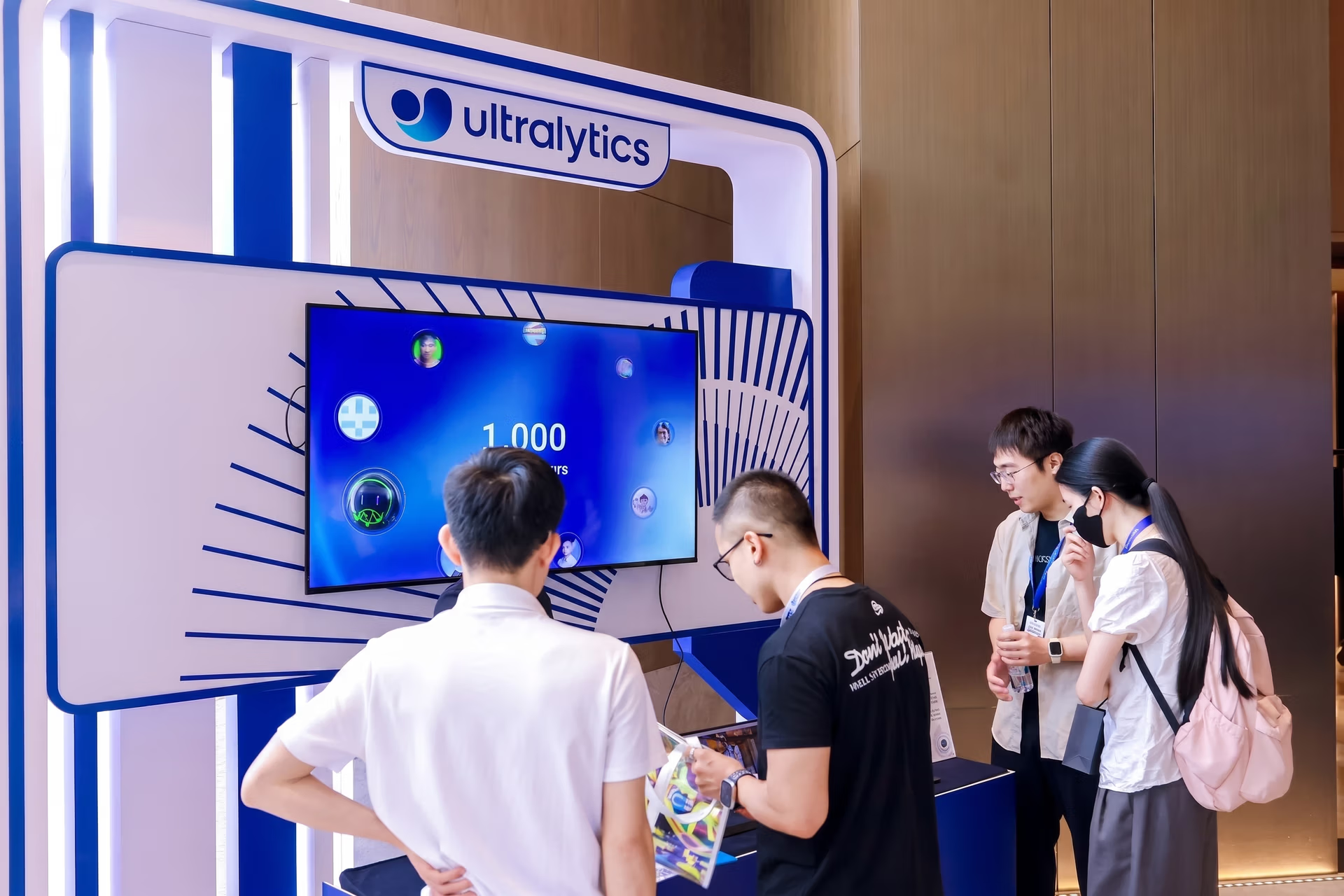
On June 10, 2026, Ultralytics was invited to attend the 2026 Qualcomm × Extreme Vision Edge AI Developer Technology Day and the 2025 Snapdragon AI Innovation Challenge Awards Ceremony.
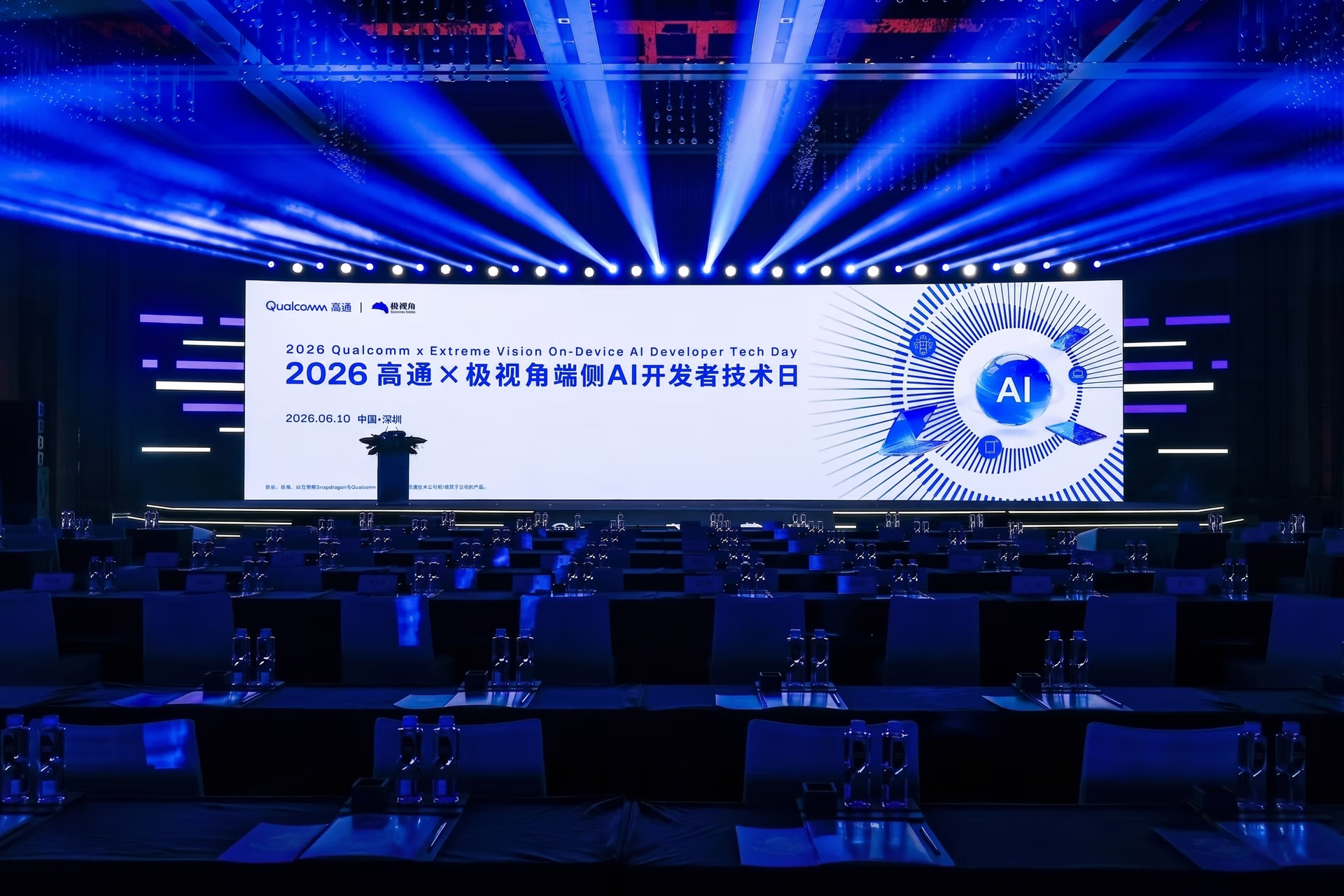
The event brought together developers, ecosystem partners, and AI application teams for a series of insightful conversations around edge AI, AI PCs, and how vision models can run effectively on real-world devices.
One thing was especially clear at the event: AI is moving from being “powerful in the cloud” to becoming powerful directly on the device. Whether it is an AI PC, a smartphone, or an edge device, people are no longer focused only on model performance. There is a high interest in whether the model can truly run locally, and whether it can run fast, reliably, and with low resource consumption.
Edge AI is no longer just a popular technology trend, but has become a real engineering challenge that developers are actively working to solve.
Running Ultralytics YOLO26 On Site#
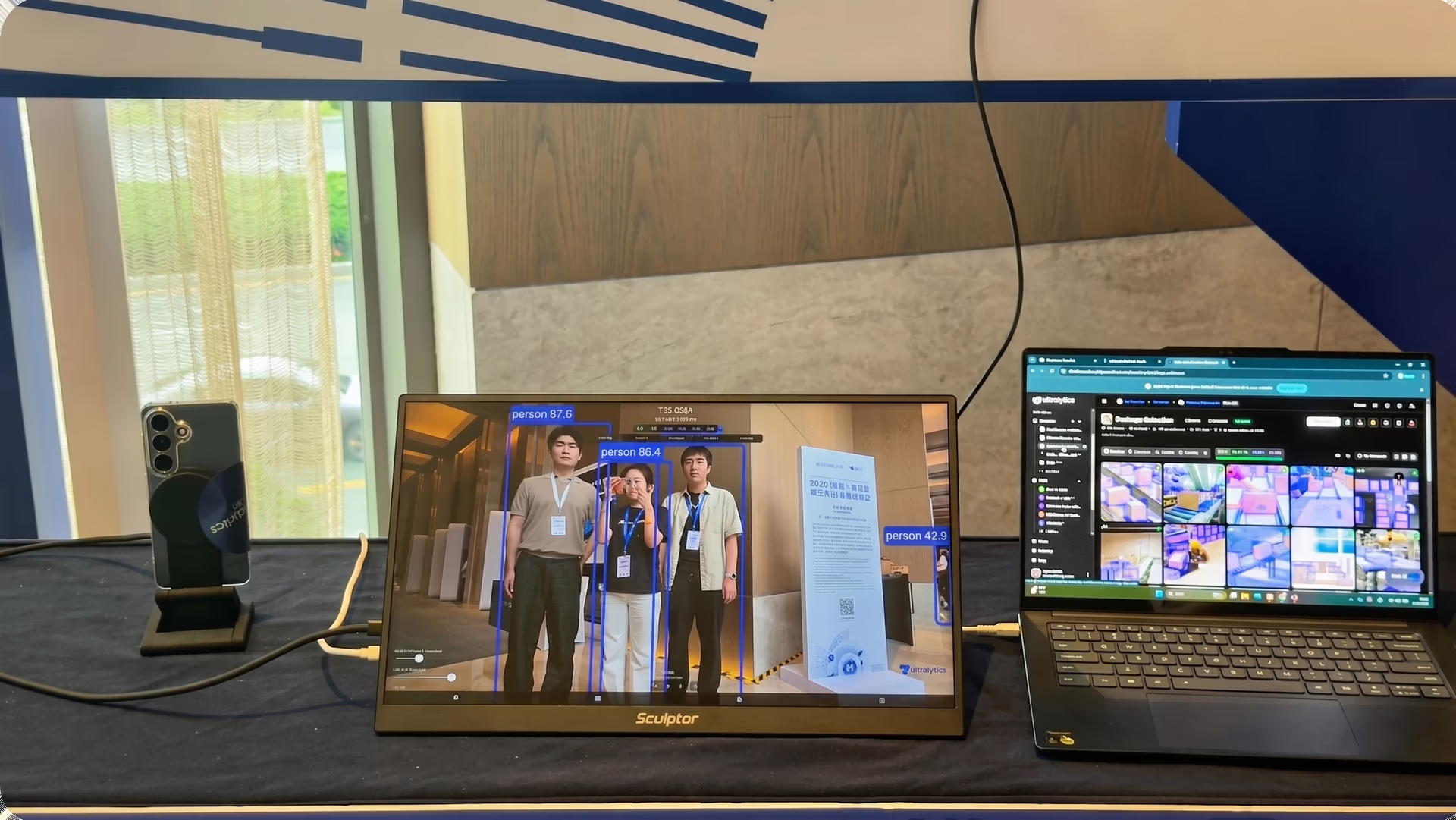
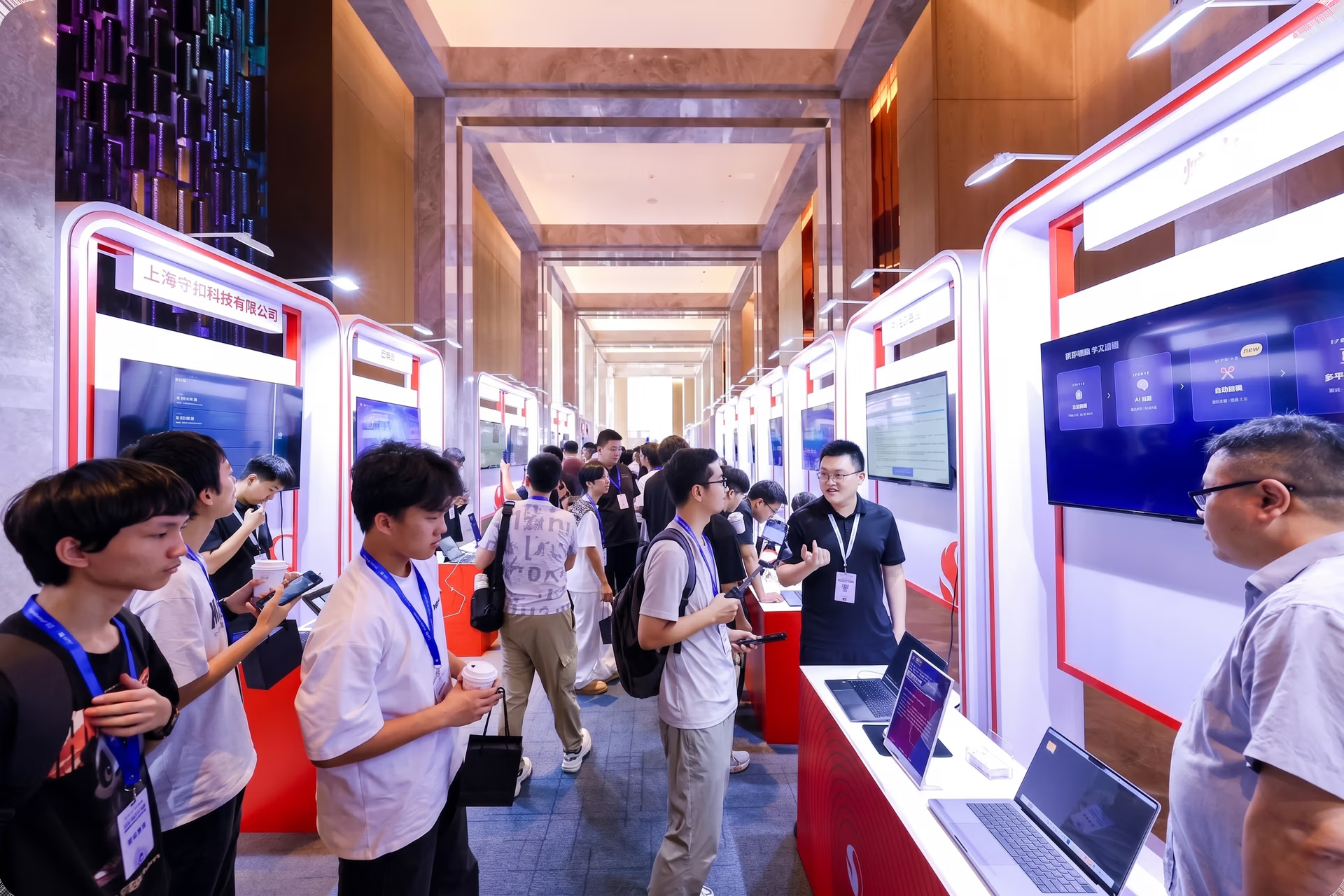
At the event, we had the chance to showcase Ultralytics YOLO26 and Ultralytics Platform at the demo area, running real-time detection on AI PCs and smartphones powered by Qualcomm chips.
Through the live demo, attendees were able to see YOLO running on Qualcomm platforms more directly, as well as the broader potential of vision AI on AI PCs and mobile devices. Being able to have a live demo also helped spark conversation and answer questions about the model’s speed, whether it runs locally, and its ease of use.
Edge AI’s journey from concept to engineering practice#
The event also featured a dedicated AI application demo area, showcasing a number of interesting projects that had entered the finals of the Qualcomm AI PC competition. These included an intelligent office AI-OA edge-cloud system, edge AI-assisted ultrasound diagnosis, industrial-grade vulnerability scanning, a PCBA intelligent assembly assistant, creative content generation, and more.
It was clear that the community’s vision for AI PCs has gone far beyond “running a chatbot locally.” Instead, AI capabilities are now being embedded into more specific workflows across industries, from office productivity and healthcare to industrial scenarios, creative work, and other real-world use cases, as noted by several speakers who shared their perspectives on how edge AI can be implemented in practice.
Ultralytics YOLO26 technical sharing#
Ultralytics Algorithm Engineer Bovi Hou (Rick) also gave a technical presentation on the latest Ultralytics YOLO26, focusing on its updates in real-time vision detection, model efficiency, and edge deployment.

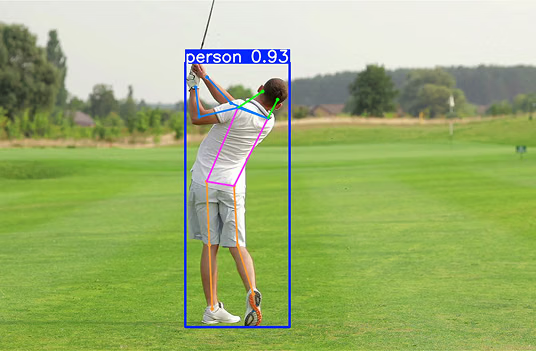
Ultralytics YOLO26 carries on the YOLO family’s strengths of being lightweight, real-time, and easy to deploy, while further optimizing for edge inference. It is well-suited for integration into a wide range of local vision AI applications, including industrial inspection, equipment monitoring, retail analytics, robotic perception, mobile recognition, and more.
For developers who are exploring how to run vision models on local devices, Ultralytics YOLO26 offers a more accessible starting point. Instead of building an entire vision algorithm stack from scratch, developers can validate models and integrate applications more quickly.
This event highlighted an important trend in edge AI: It is likely that in the future, many AI applications will not exist only in the cloud. A growing number of them will appear directly on the devices that people use every day. It could be a vision assistant on an AI PC, a real-time recognition tool on a smartphone, or an industrial inspection system running on an edge device.
As always, at Ultralytics, we aim to continue refining and optimizing our products, making computer vision easier for everyone to use, helping ideas run faster, and ultimately turning them into truly valuable applications.