AI in traffic management: From congestion to coordination
Discover how AI enhances traffic management with number plate tracking, improving road safety, reducing congestion, and enforcing traffic laws.
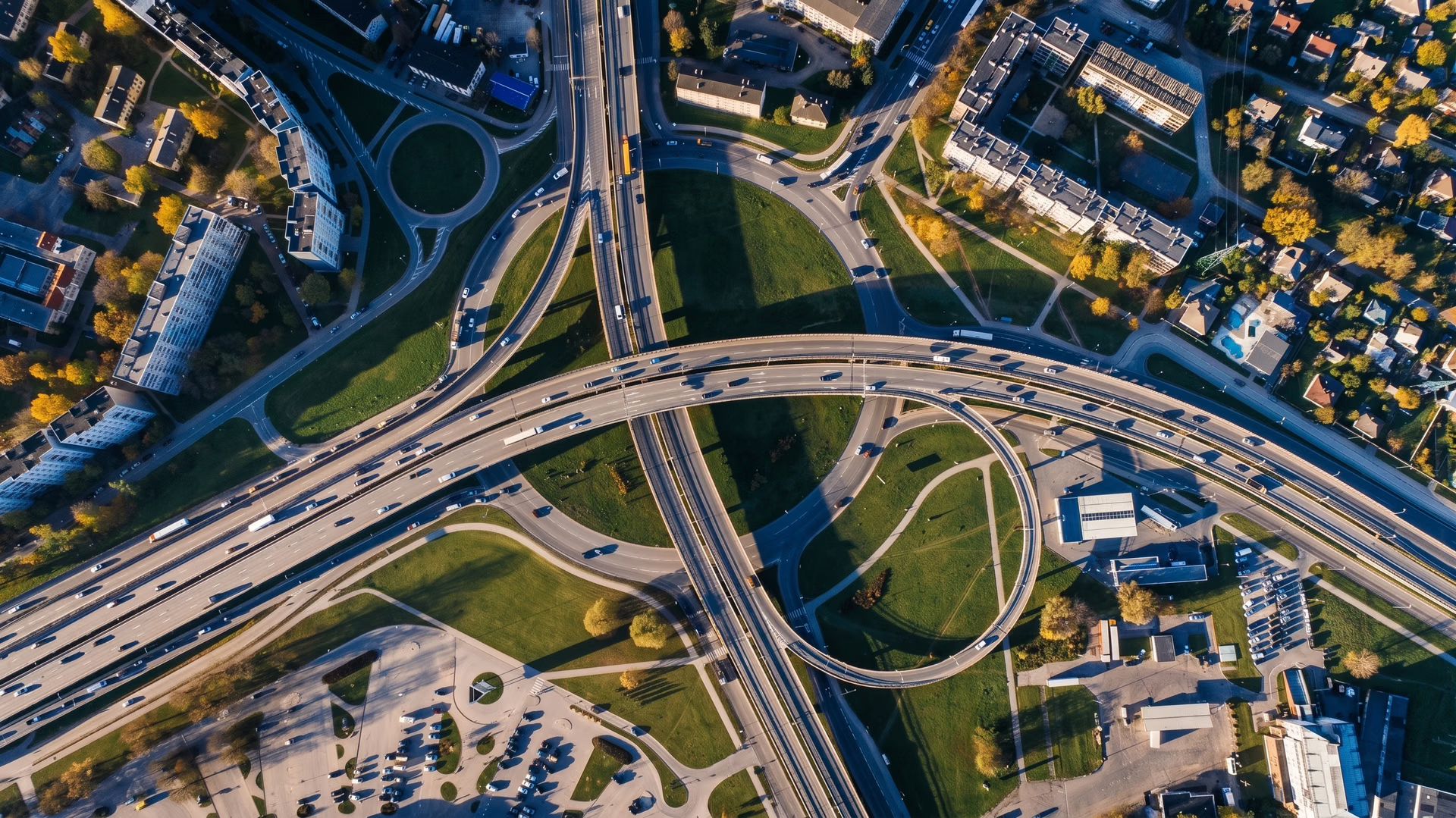
With over 1.47 billion vehicles on the roads today, efficiently tracking and managing traffic has become an increasingly complex challenge. Traditional methods struggle to keep up with the volume and dynamics of modern traffic. This is where Artificial Intelligence (AI) steps in, as a game-changer for traffic management and road safety technology using real-time, data-driven solutions that enhance efficiency and safety. In fact, studies show that AI-powered traffic management systems can reduce traffic delays by up to 25%, significantly improving commute times and reducing congestion.
In this blog, we will explore the impact of AI on traffic management, focusing on the specifics of number plate detection. We will examine current uses, the benefits, the challenges, and highlight real-world applications demonstrating AI's potential to create smarter, safer, and more efficient traffic monitoring systems.
The role of AI in traffic management#
The applications of AI in traffic management are vast and varied. In this blog, we will primarily focus on how computer vision, a specialized field of AI that analyzes images, can significantly enhance traffic management.
- Analyzing and Predicting Traffic Flow: How AI helps in understanding and forecasting traffic patterns.
- Incident Detection and Management: AI's role in promptly identifying and responding to traffic incidents.
- Automated Enforcement of Traffic Laws: Utilization of AI for enforcing laws such as speed limits and traffic signals.
License plate recognition#

Fig 1. Using Ultralytics YOLOv8 for number plate recognition.
One of the most compelling applications of AI in traffic management is license plate recognition. By leveraging advanced AI models and high-resolution cameras, we can accurately read the plate numbers of passing vehicles, contributing to road safety technology by ensuring that vehicles adhere to traffic laws and regulations.
How does this work? Computer vision models are first trained to detect the license plates on passing vehicles. Once a number plate is detected, the model reads and extracts the plate number, allowing for efficient vehicle identification. On the backend, this information is cross-referenced with extensive databases storing vehicle details, enabling the vehicle tracking systems to accurately identify and track the specified vehicle.
A notable model for building plate detection systems is Ultralytics YOLOv8. YOLOv8 is a state-of-the-art computer vision model that excels in real-time object detection, classification, instance segmentation, pose-estimation and can be adapted for countless applications, including license plate detection.
Applications of license plate recognition#
Law enforcement#
First and foremost, Number Plate Detection Systems are extensively utilized by law enforcement agencies. These systems are primarily used to issue speeding tickets, not wearing seat belts, and using cell phones while driving. In addition, such an approach is used to enhance the ability to track and recover stolen vehicles.
For instance, the Driver and Vehicle Standards Agency (DVSA) in England utilizes automatic number plate recognition (ANPR) technology on local, regional, and national scales to detect, deter, and disrupt operators who violate the law.
Utilizing advanced AI models like Ultralytics YOLOv8, these systems can accurately detect these infractions and capture the vehicle's number plate. The YOLOv8 model excels in real-time object detection, ensuring that authorities can swiftly and accurately identify violations and send the driver the appropriate ticket and fine.
These models usually follow the Automated Number Plate Recognition (ANPR) approach. To understand how these AI detection models work, imagine teaching a child to recognize different breeds of dogs. You would show them many pictures and point out the specific features that differentiate a Labrador from a Poodle. Similarly, these AI models are fed numerous labeled images of vehicles and their number plates, learning to pick out and remember the unique characteristics of each number plate. This training process enables the models to identify and recognize different numbers and letters on the plates accurately.
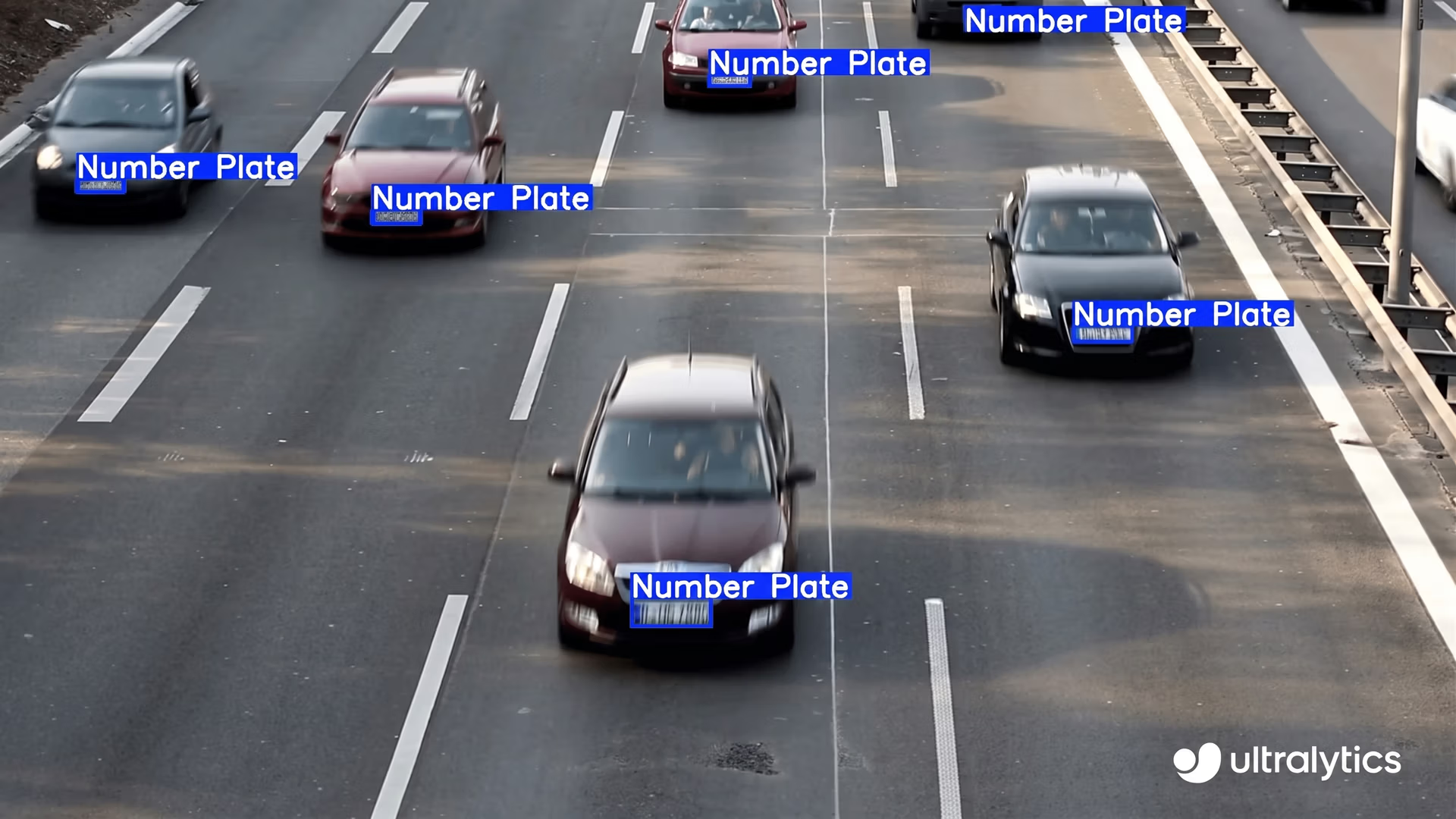
Fig 2. Using Ultralytics YOLOv8 for law enforcement.
Smart parking management#
Another valuable application of computer vision in traffic management is smart parking management. Utilizing models like YOLOv8, these systems can accurately identify empty parking spots and guide drivers to them, optimizing space utilization and reducing search time. YOLOv8's real-time detection capabilities ensure efficient management of parking resources.
License plate detection also assists in this process. When a vehicle approaches the parking facility, high-resolution cameras capture and recognize the license plate number using advanced AI models. The system then opens the gate for authorized vehicles, ensuring smooth entry. Additionally, the system calculates the parking fee based on the duration of the stay and automatically processes the payment using the vehicle owner’s pre-registered method, eliminating the need for manual payment at kiosks.
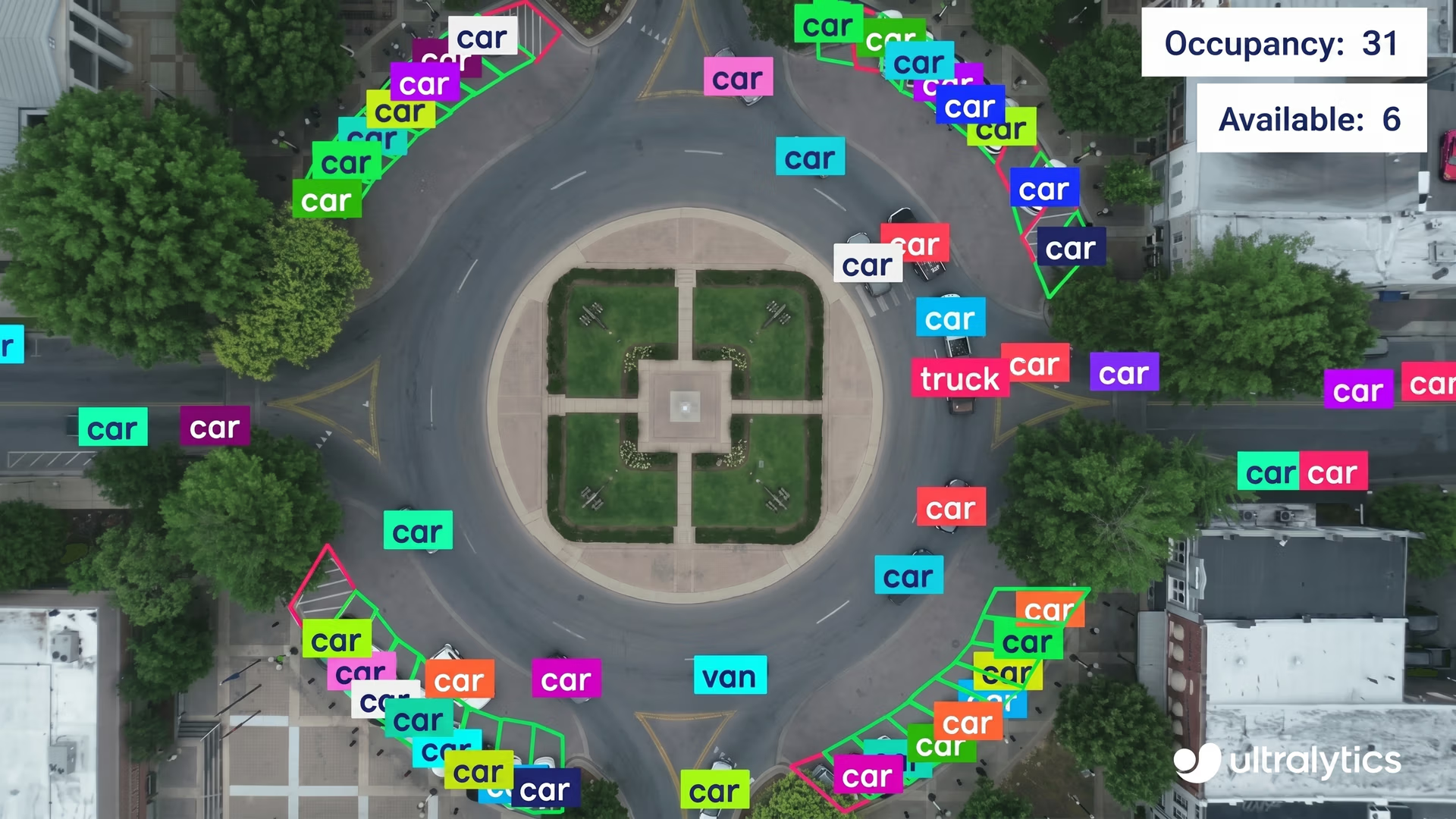
Fig 3. Using Ultralytics YOLOv8 for smart parking management.
Automated toll collection#
Toll collection systems charge fees for the use of specific roads, bridges, or tunnels, primarily to fund their construction, maintenance, and operation. Automated toll collection enhances traffic flow by eliminating the need for each vehicle to stop and pay manually. This assists in optimizing traffic and reducing congestion. Specialized cameras read the plate number of each passing car and automatically issue the specified toll, making the process more efficient and seamless.
The list of applications continues to grow, as the use of number plate detection can serve an increasing number of purposes.
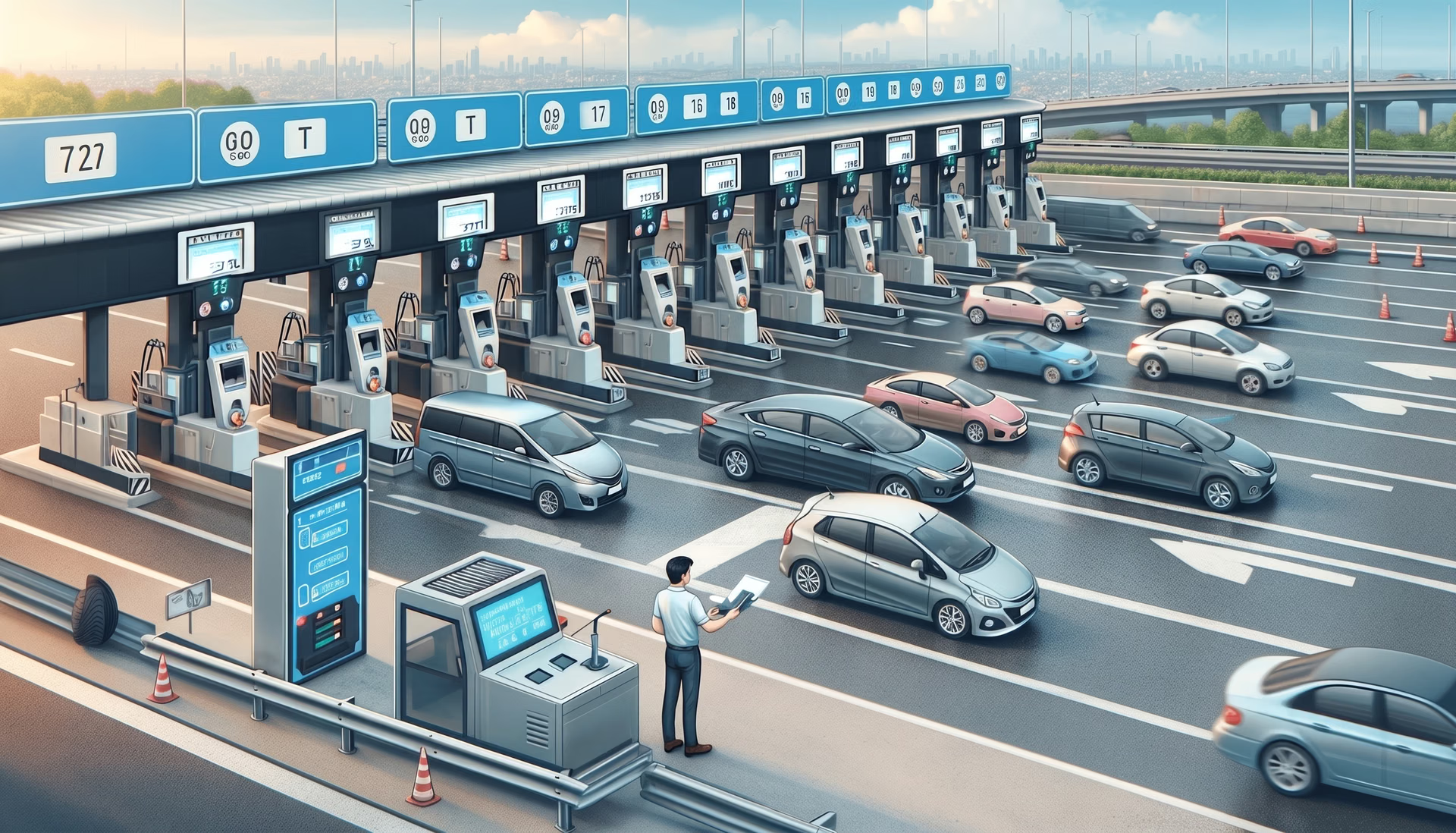
Fig 4. An automated toll collection system.
Challenges of AI in traffic management#
As we've seen, vision AI provides a vast array of benefits, yet it's essential to acknowledge some general challenges that are typically associated with traffic management.
- High Deployment Costs: Implementing AI-driven traffic management systems requires significant investment in advanced infrastructure, including high-resolution cameras, sensors, and computing resources. These initial setup costs can be substantial, with the cost of the average speeding camera reaching up to £1.5m per mile in the year 2000.
- Ongoing Maintenance Expenses: Regular maintenance is necessary to ensure the reliability and accuracy of these systems. This includes routine checks, updates, and repairs, which can be costly over time. Moreover, the infrastructure is vulnerable to damage from environmental factors such as heavy rain, storms, and extreme weather conditions. These elements can degrade equipment, leading to increased maintenance and replacement costs.
Now, let's turn our focus to the specific challenges in license plate recognition.
-
Partial Obstructions: Number plates can be partially covered by dirt, mud, or other objects, making it difficult for the AI to detect the complete plate.
-
Damage: Plates that are damaged, bent, or faded can reduce the accuracy of detection and recognition.
-
Data Privacy: Capturing and processing images of vehicles and their plates involves handling sensitive information, and raising privacy concerns that need to be addressed.
-
Regulatory Compliance: Compliance with local and international laws and regulations regarding data collection, storage, and usage is essential to avoid legal issues.
Where is AI in traffic management heading?#
Although traffic management has significantly improved with the introduction of AI, there is always room for further advancements. As technology continues to evolve, we can expect several enhancements, such as the integration of AI-driven traffic management systems into broader smart city infrastructures, enabling seamless communication between various urban systems.
It is also expected that future AI models will become even more efficient and accurate in detecting and recognizing number plates and will also be better equipped to handle adverse weather conditions such as rain, fog, and snow, ensuring reliable detection even in less-than-ideal environments.
Conclusion#
The field of computer vision has experienced remarkable advancements in recent years, with the release of new models that significantly outperform their predecessors. These innovations have enabled a wide range of applications in traffic management, from number plate detection to smart parking systems. Utilizing cutting-edge models like Ultralytics YOLOv8, these systems offer enhanced accuracy, real-time processing, and robust performance even in challenging conditions.
As AI continues to evolve, we can expect even more sophisticated and integrated solutions for traffic management. These advancements will not only improve efficiency and safety but also contribute to smarter, more sustainable urban environments. The future of AI in traffic management is bright, promising continuous improvements that will redefine how we navigate and manage our cities.
Interested in the future of computer vision? For more information on the latest in computer vision technology, you can explore the Ultralytics Docs, and check out their projects on Ultralytics GitHub and YOLOv8 GitHub. For more insights into AI applications across various industries, you might find the solutions pages on Self-Driving Cars, and Manufacturing particularly useful.