Shattering the surveillance status quo with Vision AI
Explore how Vision AI is reshaping surveillance systems. Learn about its impact on safety, proactive defense tactics, and real-world applications.
 Vera Ovanin6 min read
Listen to this article
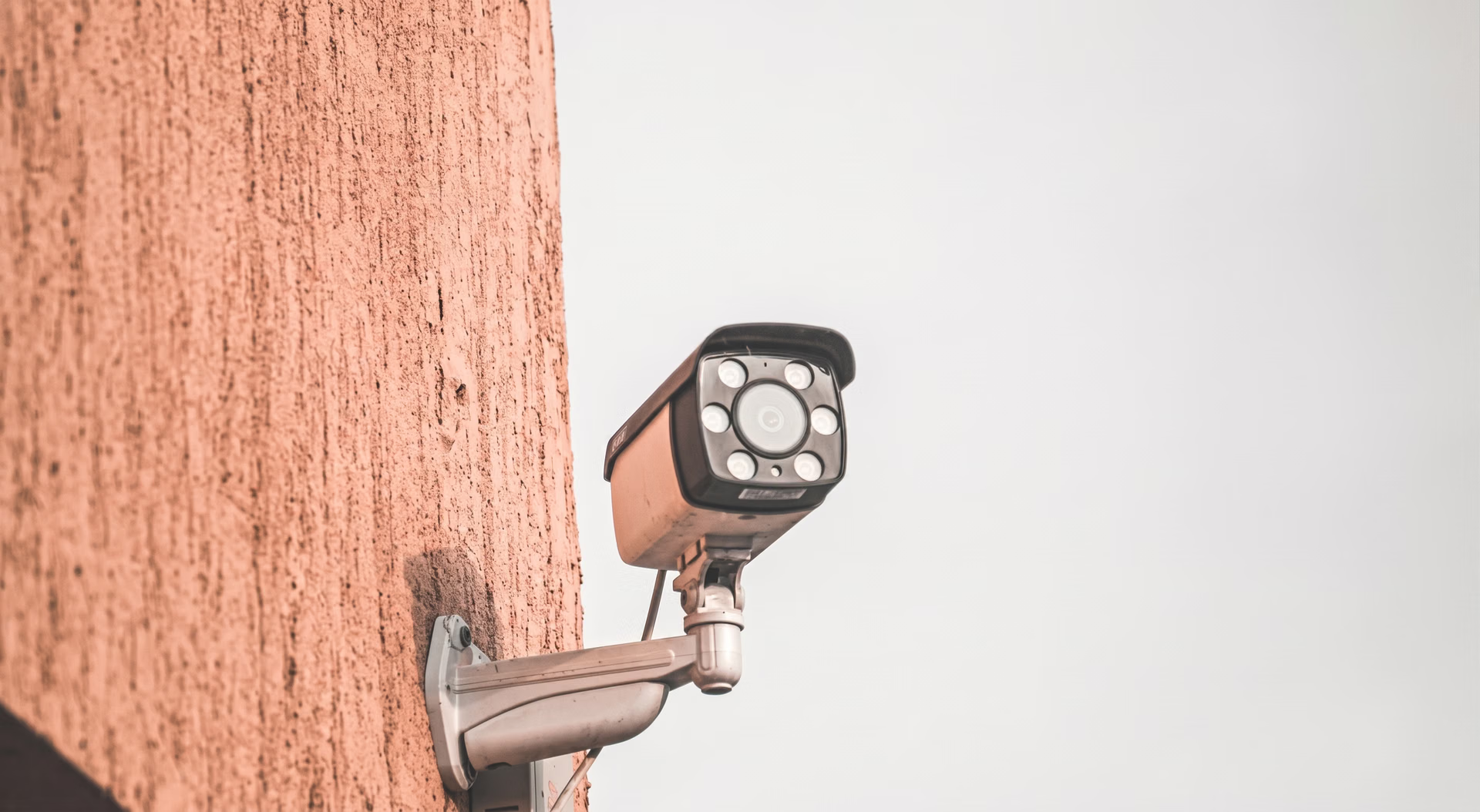
When it comes to safety and security, computer vision technologies are taking on a bigger role. In this article, we explore AI-powered surveillance systems, from the proactive defense tactics they enable to their real-world applications.
The way we keep ourselves and our possessions safe is evolving as a range of Vision AI applications change how security technology and safety monitoring work.
The core component of this change is the development of innovative surveillance systems powered by Vision AI such as Axis Communications AI Cameras and Nest Cam IQ. These systems harness AI-powered algorithms to deliver real-time monitoring and analysis of security footage. As a result, homeowners and organizations can promptly identify threats, respond quickly, implement preventive measures and resolve incidents faster. In a nutshell, they can create an effective security strategy.
To give a sense of the demand for modern security technology, the global video surveillance market is projected to grow to $83.3 billion by 2028 from an estimated $53.7 billion in 2023, according to MarketsandMarkets. This growth reflects the push for smarter security solutions that use artificial intelligence (AI) and computer vision applications.
The driving factors propelling this growth include rising security concerns, increasing introduction of smart city initiatives, growing demand for business intelligence and analytics – and breakthroughs in technology such as AI-powered video analytics. The need for remote monitoring and real-time access to surveillance feeds, coupled with regulatory requirements for enhanced security measures, is also contributing to the market growth.
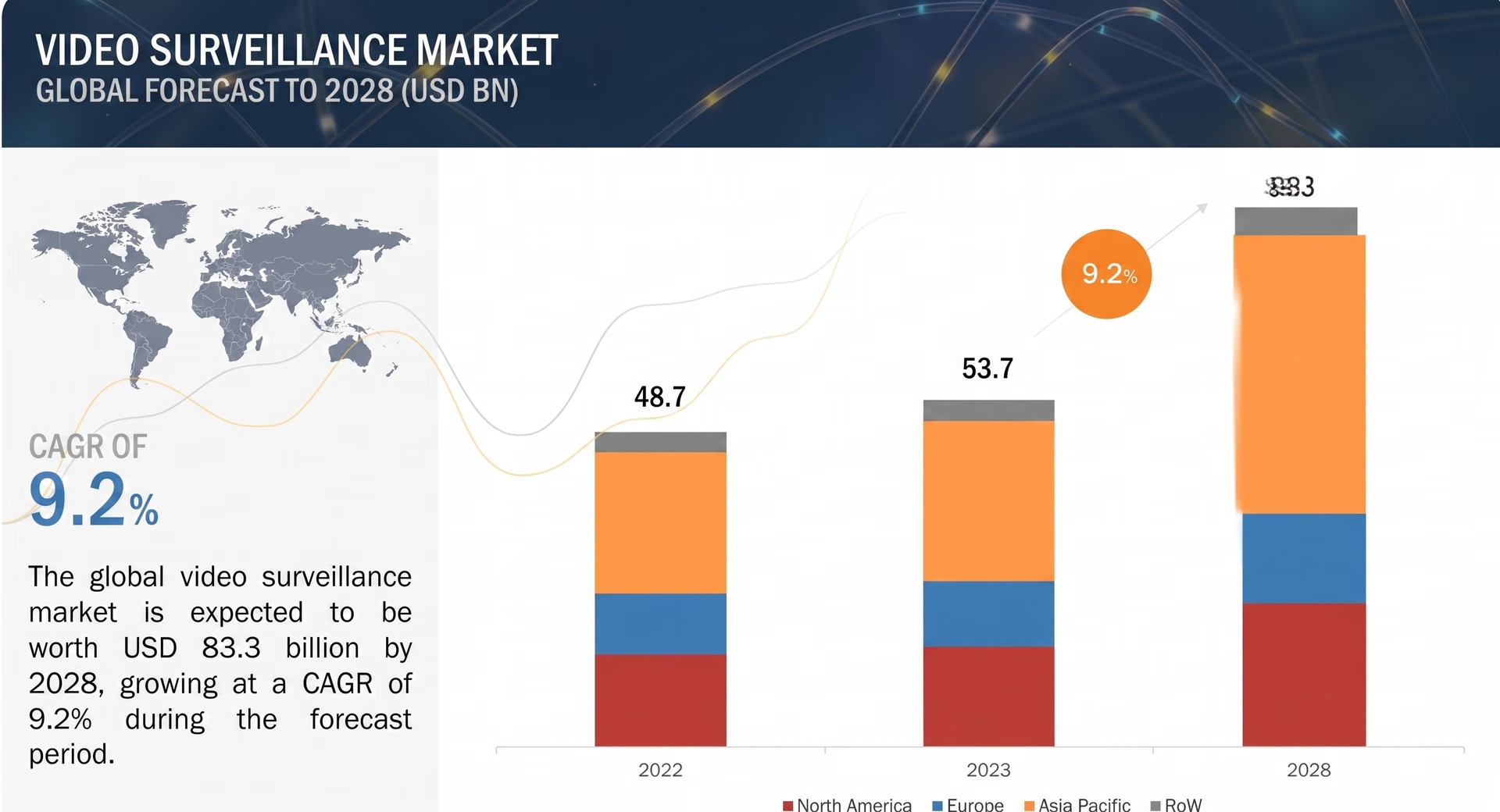
Fig 1. An outlook into the global forecast on the video surveillance market.
How Vision AI is changing the security landscape#
Vision AI is making organizations safer by transforming the way safety protocols are being implemented across various industry sectors. Smart monitoring and security solutions use computer vision to give companies insight into safety and security risk management. Some key tools and capabilities include:
Anomaly detection. Have people accessed any areas without authorization or engaged in prolonged loitering? These activities could point to a security threat that warrants further investigation or intervention.
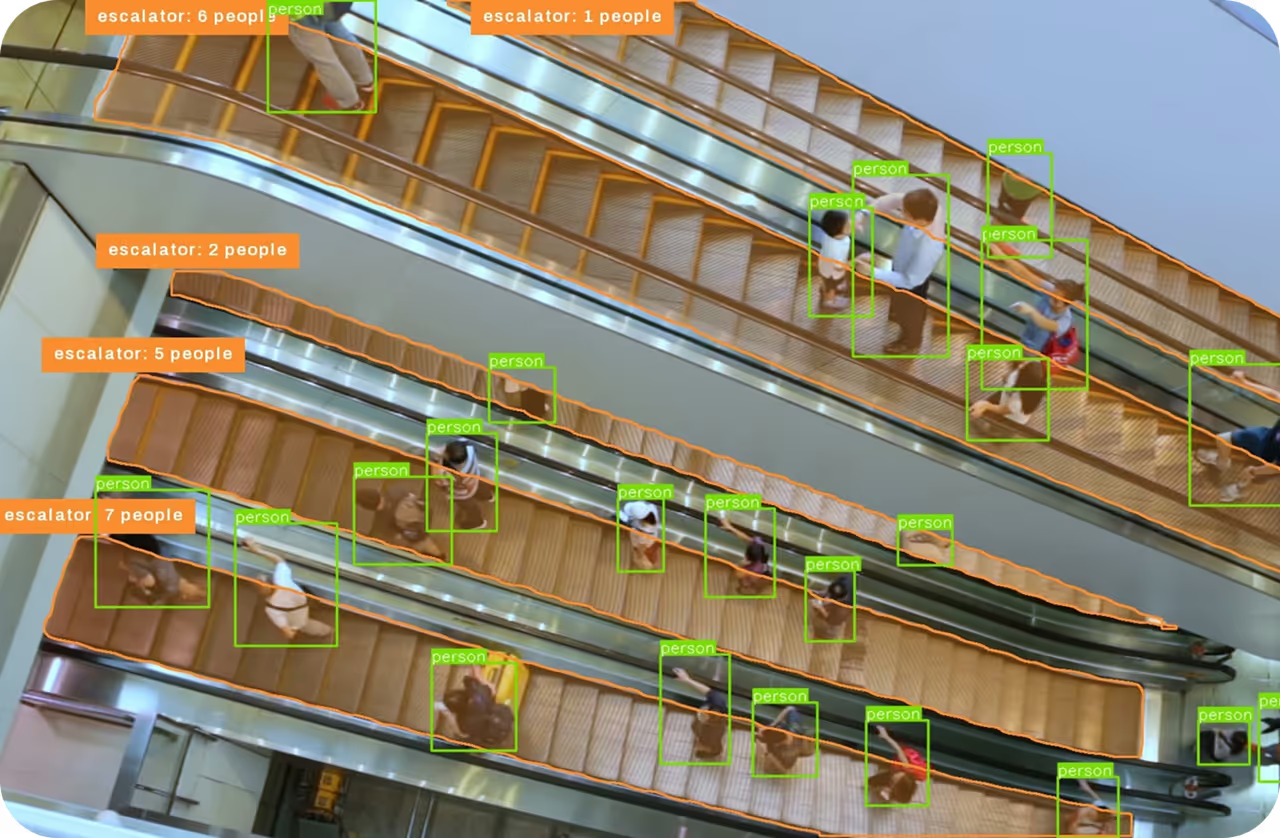
Crowd management. Managing crowds helps avoid bottlenecks, allowing people to move freely and reducing the likelihood of accidents. Analyzing how people move through a space, and in what numbers, helps organizations optimize crowd flow to ensure public safety, especially during large events.
Object detection. Smart monitoring solutions recognize specific objects or items in real time. From an abandoned bag to an unauthorized weapon, organizations can quickly detect and respond to security risks.
Environmental monitoring. Temperature, humidity and air quality are environmental factors that can affect optimal conditions for safety and security, especially in sensitive environments such as data centers or manufacturing facilities.
Predictive analytics. By parsing historical data and trends, smart security solutions can predict potential safety and security risks, helping organizations implement preventive measures on time and mitigate threats before they occur.
According to Gartner, organizations can’t afford to overlook the potential of AI in their operations and strategies.
Vision AI's proactive defense tactics#
Predicting dangers before they occur is key to staying safe and secure. Vision AI supports a proactive approach to safety by helping organizations address threats early. Here’s how:
Risk Mitigation. Vision AI helps mitigate risk by identifying and addressing safety hazards in various environments. From construction sites to transportation hubs, AI-powered surveillance systems monitor operations to spot hazards including equipment malfunctions, product defects, environmental hazards and safety protocol violations. As a result, organizations can minimize accidents, injuries and property damage.
Threat Detection. By using machine learning algorithms and computer vision techniques, Vision AI analyzes real-time data from surveillance cameras, sensors and satellite imagery to catch patterns and anomalies. The end result is early threat detection and timely intervention.
Safety Innovations. Vision AI continues to drive the development of new safety protocols and technologies. These solutions use AI algorithms to boost situational awareness, automate safety procedures, and optimize emergency response efforts. Whether it’s implementing smart monitoring solutions, deploying predictive analytics tools, or integrating facial recognition technology, Vision AI helps organizations stay ahead of emerging risks.
Enterprises implementing AI must articulate clear objectives and strategies for how they will accomplish specific goals, such as enhancing safety and security. Gartner has also highlighted the potential payoff: by 2026, organizations that operationalize AI transparency, trust and security will see their AI models achieve a 50% improvement in terms of adoption, business goals and user acceptance.
Next gen security upping the safety game#
According to government consultancy Oxford Insights, the pace of change in AI capabilities has not been matched by the response of governments. Some governments are leading by example, particularly in the domain of safety measures, threat detection and security technologies.
Here are some government initiatives around the world that use Vision AI for public safety. From England to the U.S. and Singapore, AI-powered surveillance systems are changing how communities are kept safe.
- Smart stations. Transport for London (TfL), London's integrated transport authority, has introduced Smart Stations, an initiative that uses AI surveillance systems and computer vision applications to monitor passenger behavior in the London Underground, with the aim of improving security through real-time safety monitoring.
- Secure airports. Los Angeles International Airport has deployed a facial recognition system powered by Vision AI. It bolsters security and border control by relying on security cameras to analyze and identify individuals based on their facial features. By accurately recognizing faces in real time, this AI-powered security system enables airport authorities to prevent unauthorized access, strengthen threat detection and safeguard passengers and their belongings. It also offers a touchless boarding option for passengers who choose facial image capture over traditional processing by airline agents.
- Construction safety. Singapore has implemented AI-driven video surveillance systems in construction sites to ensure adherence to safety protocols and regulations. The mandate to deploy these systems entails continuous monitoring of construction activities, real-time oversight of operations, swift identification of safety breaches and prompt addressing of unsafe practices. It’s part of Singapore's objective to cultivate a culture of safety and accountability in order to safeguard workers amid the risks posed by rapid urban development.
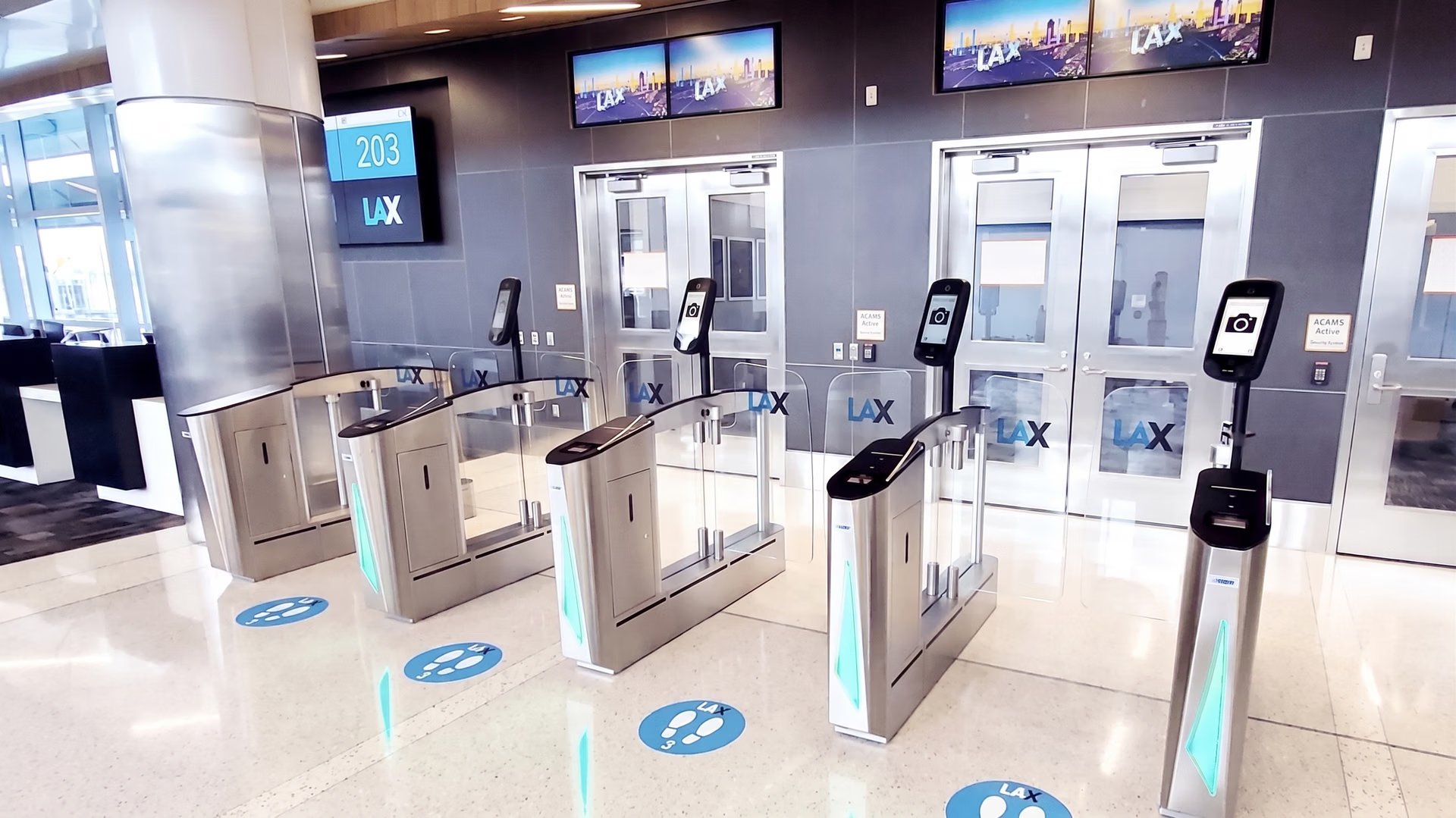
Fig 2. New facial recognition system at LAX airport.
Vision AI: a new type of security#
Vision AI is becoming a core part of modern safety and security. From city streets to airports, AI-powered security applications are changing how people and property are protected. As individuals, organizations, and governments adopt these technologies, computer vision-based monitoring and security solutions will play a growing role in keeping communities safe.
Check out our GitHub repository and join our community to stay up to date on new developments and insights into how AI is changing areas ranging from self-driving technology to manufacturing, healthcare and so much more!
Written by
Technology Copywriter
Comments
Ask a question, share your results, or help someone else.