Using Ultralytics YOLO11 and computer vision in supermarkets
Discover how Ultralytics YOLO11 can enhance supermarket efficiency through customer heat maps, inventory tracking, and theft prevention.
Supermarkets continuously seek ways to improve efficiency, reduce operational costs, and create seamless shopping experiences. However, traditional retail operations often struggle with inventory management errors, checkout inefficiencies, and security risks, all of which can impact revenue and customer satisfaction. Although supermarkets are dealing with labor shortages and rising costs, they're finding innovative ways to stay profitable while still offering excellent service.
In particular, computer vision models like Ultralytics YOLO11 can help supermarkets automate store operations, optimize workflows, and improve security. By leveraging real-time object detection, tracking, and classification, supermarkets can analyze customer behavior, streamline checkout, monitor inventory levels, and prevent theft. These AI-powered systems bring speed, accuracy, and scalability to retail environments.
In this article, we’ll explore how computer vision and Ultralytics YOLO11 can help to improve supermarket operations while looking at some real-world applications of AI-powered vision systems in retail.
Challenges in supermarket operations#
While retail automation has introduced efficiencies, supermarkets still face ongoing challenges that impact both profitability and customer satisfaction. For example, how can they improve inventory management, shorten checkout wait times, and boost security without driving up operating costs? Balancing automation with everyday efficiency remains a key concern, as small operational issues continue to impact overall store performance.
One key area for improvement is inventory tracking, where a lack of real-time insights can lead to overstocking, stockouts, and product shrinkage, directly affecting revenue and customer trust. Meanwhile, at checkout, long wait times remain a common frustration, as even self-checkout systems require manual scanning and can create delays. On top of that, limited customer behavior insights make it difficult for retailers to optimize store layouts, improve product placement, and analyze peak shopping hours effectively.
Security can be another major concern. Retail theft and security threats that range from shoplifting to fraudulent returns can impact profitability. In some cases, stores even end up addressing the risk of violent incidents, highlighting the need for improved surveillance systems.
Lastly, rising operational costs due to labor-intensive tasks such as restocking, checkout handling, and security monitoring put pressure on supermarket budgets.
To address these challenges, supermarkets are rapidly adopting computer vision solutions that can enable automation, real-time data processing, and enhanced security monitoring.
By integrating these AI-powered solutions, stores can streamline operations, improve the shopping experience, and reduce inefficiencies.
How computer vision can enhance supermarket operations#
Computer vision models like Ultralytics YOLO11 provide automated, data-driven insights that improve store management, increase efficiency, and enhance security. By processing real-time visual data from in-store cameras, these models can be trained to detect objects, track movement, and optimize operations.
For instance, customer heat maps powered by vision AI can help analyze shopping trends, cashier-less checkout systems equipped with computer vision models deployed on cameras can recognize products in real time, and inventory tracking systems can detect low-stock items. Additionally, AI-powered surveillance can prevent theft and detect potential security threats.
Here is how computer vision models can be integrated into supermarket environments:
- Data collection: Gathering images of store aisles, checkout stations, and high-risk zones for training datasets.
- Data annotation: Labeling product categories, shopper behaviors, and potential threats such as unauthorized access or concealed items.
- Model training: Training computer vision models on these datasets to recognize stock levels, detect objects in shopping carts, and identify unusual activities.
- Validation and testing: Evaluating the model’s accuracy on different lighting conditions and store layouts before deployment.
- Deployment on in-store cameras: Once validated, the computer vision models can be deployed on cameras and integrated into security systems, smart shelves, and checkout stations for real-time monitoring.
By training computer vision models for supermarket-specific applications, retailers can introduce AI-powered vision systems that enhance store operations, optimize security, and improve the overall shopping experience.
Real-world applications of computer vision in supermarkets#
Now that we've explored the challenges in supermarket operations and how computer vision can help, you might be wondering - how exactly can these AI-powered systems improve store efficiency?
By enabling real-time inventory tracking, automating checkout processes, and enhancing security, computer vision can streamline supermarket workflows. Let’s take a closer look at its real-world applications.
Customer heat maps for behavioral insights#
Understanding how customers navigate a store can help supermarkets optimize product placements, aisle arrangements, and promotional strategies. However, traditional methods, such as manual observations or basic footfall counters, lack real-time analytics and accuracy.
Computer vision models like Ultralytics YOLO11 analyze store camera footage to generate customer heat maps, tracking movement patterns, dwell times, and engagement levels with product displays. By identifying high-traffic zones and underutilized sections, supermarkets can adjust shelf arrangements, improve promotional placements, and enhance store layouts to boost sales.
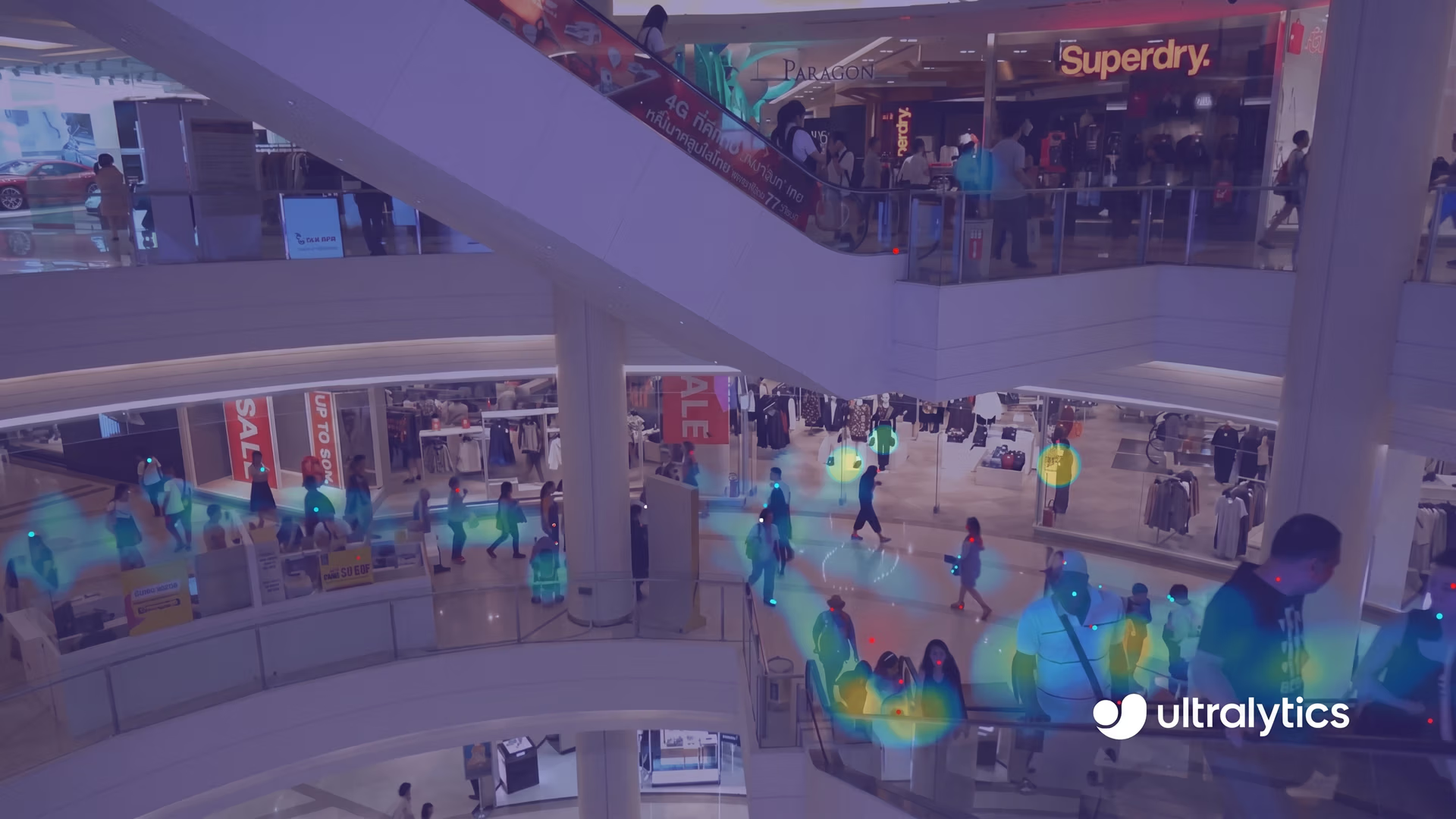
Fig 1. Ultralytics YOLO11 generates heat maps by analyzing foot traffic patterns, identifying high-engagement zones.
Additionally, heat maps can provide valuable data on peak shopping hours and congestion points, allowing store managers to optimize staff allocation. For instance, supermarkets can increase cashier availability or open self-checkout kiosks during rush hours, ensuring a smoother customer experience.
By leveraging heat maps, supermarkets can create data-driven layouts, enhance shopper convenience, and maximize sales potential through targeted product positioning.
Cashierless checkout systems#
Long checkout lines are a major pain point for customers and often result in cart abandonment, especially during peak hours. While self-checkout kiosks reduce wait times, they still require manual barcode scanning and are prone to errors.
With computer vision-powered cashier-less stores, models like Ultralytics YOLO11 can be deployed on overhead cameras or trolley-mounted systems to automatically detect and count products without requiring barcode scanning. By integrating AI-powered object detection and payment processing, customers can pick up items and leave the store without waiting in line. The system automatically detects the selected items and charges the customer digitally.
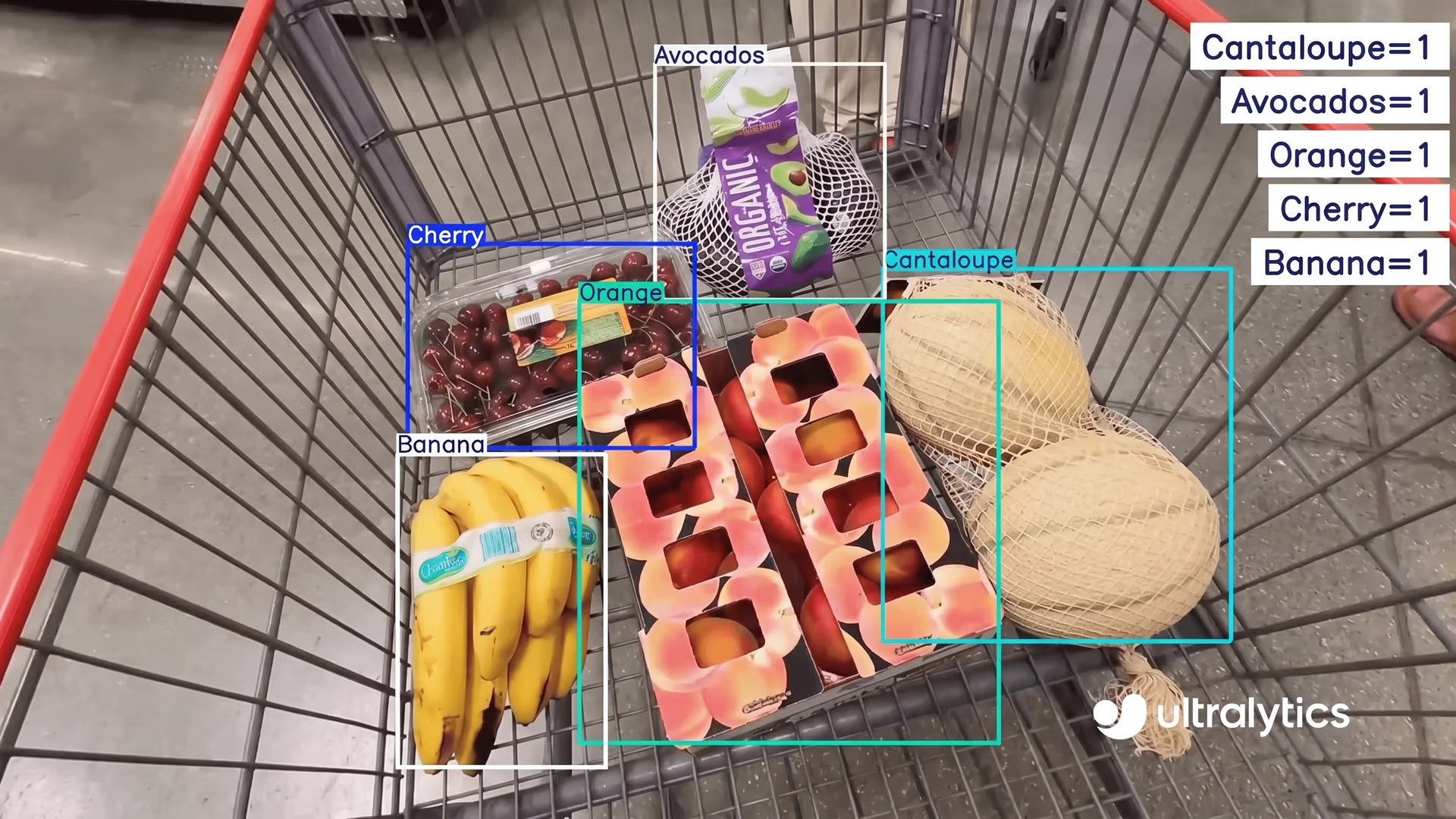
Fig 2. Ultralytics YOLO11 identifies and counts products in a shopper’s cart.
Cashierless checkout systems provide multiple benefits for both retailers and shoppers. Supermarkets can reduce labor costs, minimize checkout congestion, and enhance operational efficiency while customers enjoy a frictionless, time-saving shopping experience.
With fast, accurate product recognition and seamless transactions, AI-driven cashierless stores represent the future of supermarket automation.
Automated inventory tracking and shelf monitoring#
Keeping track of product availability is a constant challenge for supermarkets. Manual inventory checks are time-consuming, prone to errors, and can lead to stock shortages or overstocking. Additionally, misplaced items on shelves create disorganized displays, impacting both sales and customer satisfaction.
Ultralytics YOLO11-powered computer vision cameras can help to detect and count products on store shelves, enabling supermarkets to monitor inventory levels accurately. By recognizing specific items and tracking their quantities, these AI-driven systems help retailers streamline stock management, reduce manual inventory checks, and ensure the timely restocking of essential products.
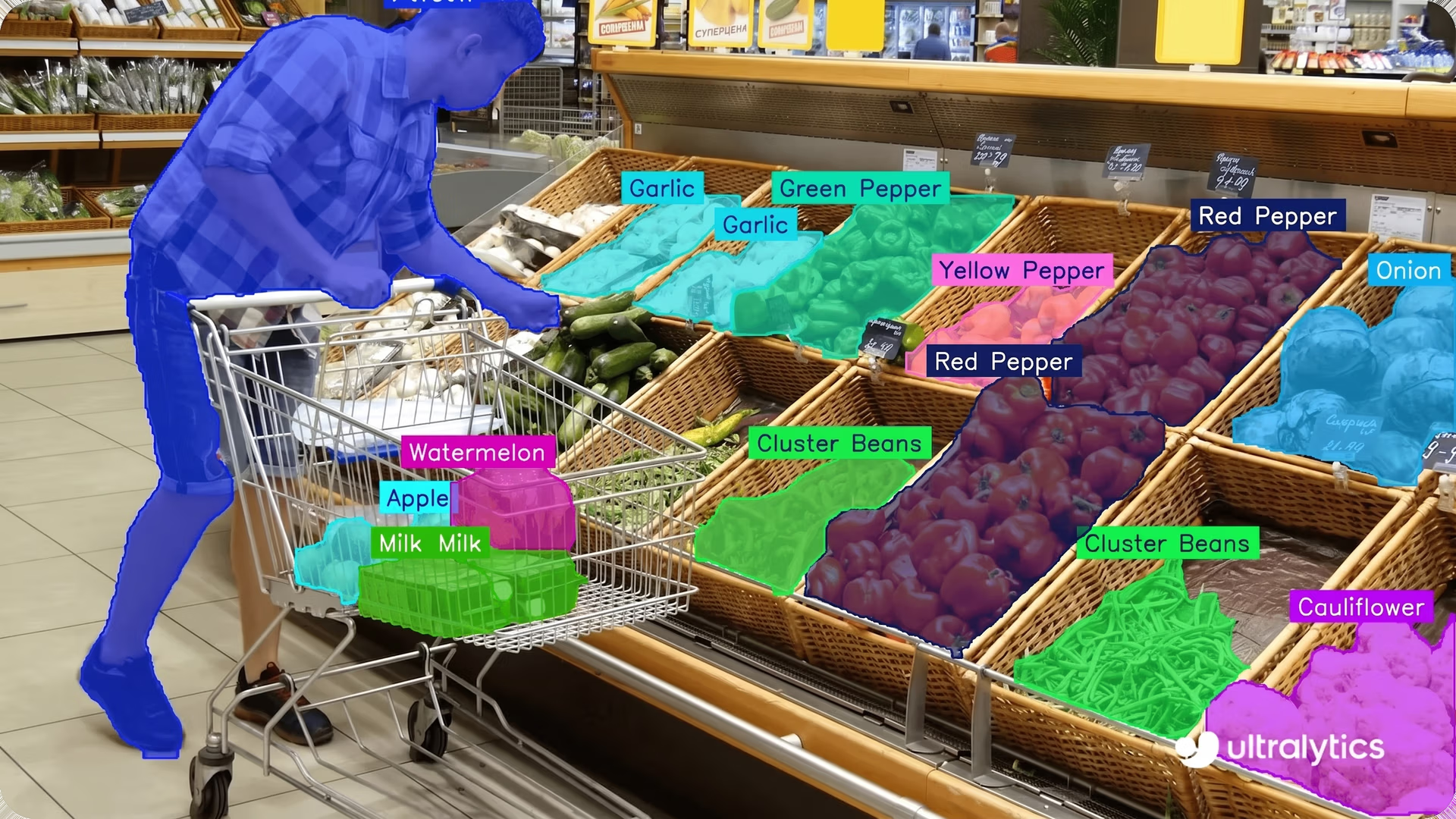
Fig 3. Ultralytics YOLO11 segments and identifies fresh produce, dairy, and grocery items in real time.
Additionally, computer vision models can detect signs of spoilage in fresh produce, identifying visual cues such as discoloration, bruising, or mold formation. This allows supermarkets to automate quality checks, ensuring that only fresh products remain on display. By leveraging real-time image analysis, retailers can reduce food waste, optimize restocking efforts, and enhance the overall shopping experience.
By integrating vision AI-powered product detection and counting, supermarkets can enhance inventory accuracy, minimize human error, and optimize stock availability, ensuring shelves remain well-stocked for customers.
Theft prevention and security monitoring#
Retail theft is a major issue for supermarkets, with losses from shoplifting, internal theft, and inventory fraud costing businesses billions annually. Traditional security measures, such as CCTV surveillance, rely heavily on manual monitoring, making it difficult to detect suspicious behavior in real time.
Computer vision models can enhance security by detecting theft, suspicious activity, and unauthorized access. AI-powered cameras can track unusual movements, detect if a customer conceals an item, and even identify repeat offenders by analyzing behavioral patterns.
Beyond shoplifting prevention, vision AI can also detect potential security risks in the store. If it detects something unusual or potentially dangerous, it can instantly alert the security team, allowing them to respond quickly and keep the environment safe.
By integrating computer vision for theft prevention and security monitoring, supermarkets enhance loss prevention efforts, reduce shrinkage, and create a safer shopping environment for customers and staff.
Benefits of using Ultralytics YOLO11 in supermarkets#
Implementing computer vision in supermarkets provides tangible benefits in cost savings, efficiency, and security:
- Higher operational efficiency: Automated checkout, inventory tracking, and customer analytics optimize supermarket workflows.
- Reduced labor costs: Minimizing manual tasks in checkout and inventory management decreases staffing needs.
- Enhanced customer experience: Faster checkouts, well-stocked shelves, and store layout optimization create a smoother shopping journey.
- Improved loss prevention: AI-powered security reduces theft, inventory fraud, and potential security threats.
- Data-driven decision-making: Customer heat maps and product tracking provide actionable insights to enhance store layouts and marketing strategies.
As computer vision continues to evolve, its impact on supermarket automation will grow, offering even greater opportunities for efficiency and customer engagement.
Key takeaways#
As supermarkets seek smarter solutions for improving efficiency, reducing costs, and enhancing customer experiences, computer vision models like Ultralytics YOLO11 offer scalable solutions for cashierless checkouts, heat mapping, inventory tracking, and theft prevention.
From analyzing customer behavior patterns to automating checkout and inventory management, Ultralytics YOLO11 demonstrates the potential of computer vision in modern retail operations.
To learn more, visit our GitHub repository and engage with our community. Discover how YOLO models are driving advancements across industries, from manufacturing to healthcare. Check out our licensing options to begin your vision AI projects today.








