Optimize computer vision solutions with smart model maintenance
Join us as we take a closer look at why model maintenance is crucial for detecting model drift, maintaining accuracy, and optimizing performance over time.
When a well-tested computer vision model is first deployed, it can seem like it works perfectly. A self-driving car might smoothly navigate the roads, or a security camera may accurately count the number of people entering a building.
However, over time, model performance can start to slip. The autonomous vehicle could hesitate at turns it once handled effortlessly, and perhaps the security camera’s accuracy begins to decline. In these cases, the vision AI model itself hasn’t changed, but the environment around it has.
Real-world conditions are constantly changing. Even advanced computer vision models like Ultralytics YOLO11, designed for complex computer vision tasks, can struggle without updates, leading to reliability issues. More data or looking for better model architectures isn’t always the answer. The key is detecting performance drops early and understanding why they happen. Regular monitoring and updates keep computer vision solutions optimized and effective.
In this article, we’ll explore why vision AI model maintenance is essential, the challenges models face over time, and the best ways to keep them accurate and reliable.
The importance of model maintenance#
Computer vision model performance depends on more than just how well a model is trained. These models interact with a dynamic world, and external changes can cause performance dips - even without any technical faults.
A crucial reason for model decline is data drift, which occurs when the type of data a model receives changes over time. If a model is trained on one dataset but starts encountering different inputs, it may fail to recognize new patterns, leading to inaccurate predictions.
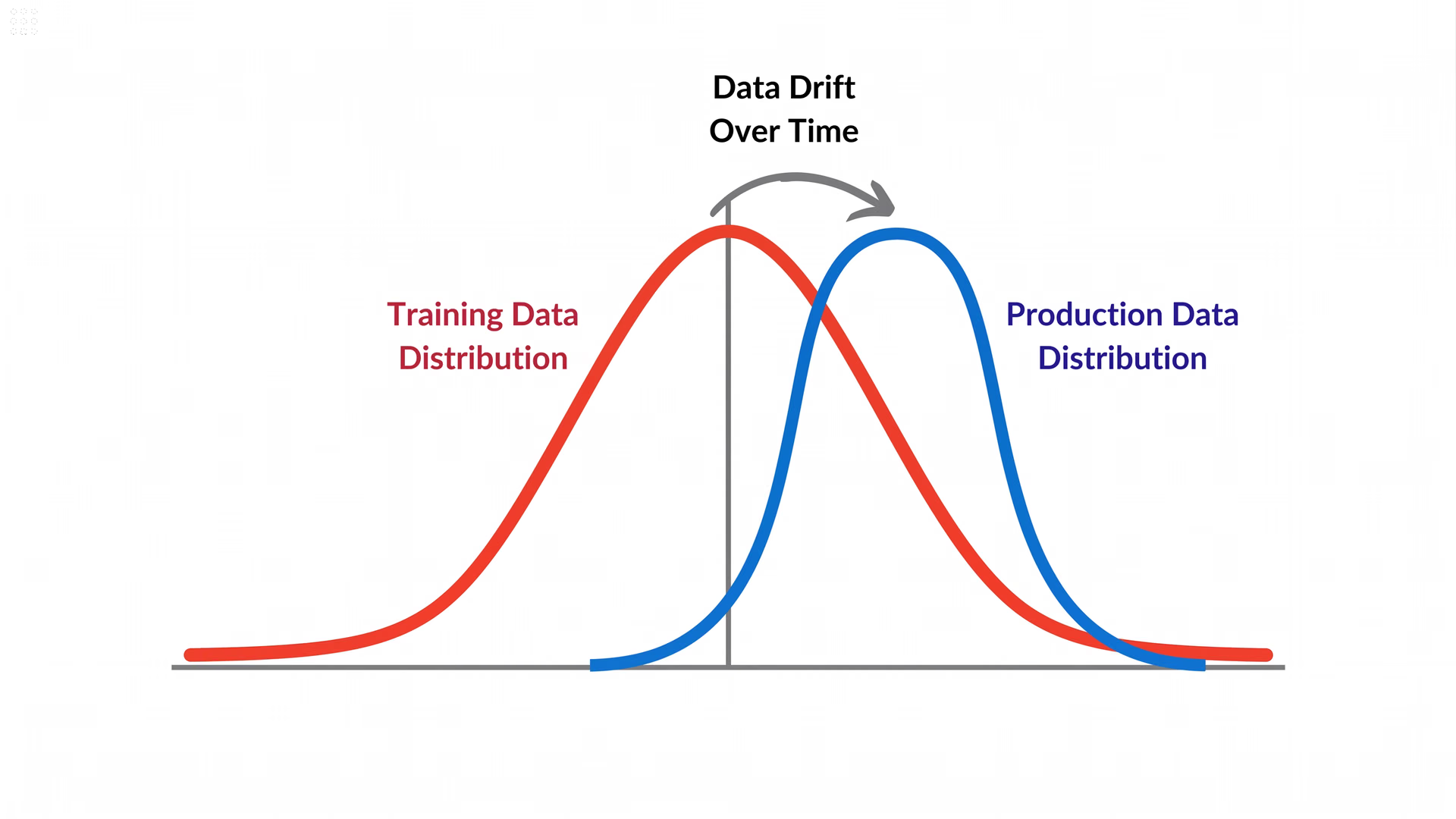
Fig 1. Understanding data drift.
Other issues include feature drift, where the significance of certain input features changes over time, and model drift, where a model's performance declines even when the data appears unchanged. As patterns shift, the model may misinterpret information, leading to increased errors.
A simple solution to these concerns is regular monitoring and timely updates. Just like a car needs servicing, AI models require maintenance to remain reliable. When properly maintained, they continue delivering accurate results and adapting to real-world changes.
Key elements of model maintenance#
Let's walk through the key elements needed to maintain vision AI models and ensure their long-term reliability. Here are the essential components of effective model maintenance.
Regular model monitoring#
Getting a model up and running is just the beginning of a computer vision project’s timeline. As data shifts, even the best models can start slipping. What starts as a tiny error can snowball into serious problems. That is why regular model monitoring is essential.
One way to do this is by tracking key performance metrics like accuracy, precision, and response time. A sudden drop in these metrics may indicate that the model is struggling with new data. Catching these changes early on makes it easier to fine-tune the model before performance declines further.
In addition to these metrics, the data the model is processing can be checked. Factors like lighting or image quality can affect the model’s performance. Automated alerts can help teams respond quickly when something isn’t working as expected.
Detecting data drift#
Computer vision models work best when they process data similar to what they were trained on. However, over time, object details change, making it harder for the model to detect objects. These small shifts may seem harmless at first but can gradually affect accuracy.
Even when the data looks similar, the model may start making mistakes. It struggles because it wasn’t trained on these new variations. AI model drift detection helps spot these issues.
Techniques like the Kolmogorov-Smirnov (K-S) test (a statistical method that compares two datasets to determine if they come from the same distribution) and Population Stability Index (PSI) (a metric that quantifies changes in data distributions over time) can be used to track shifts in input data, signaling when the model is encountering unseen patterns.
Regular monitoring with these types of tools enables models to stay accurate, adapt to evolving real-world conditions, and continue making reliable predictions.
Retraining and updating the model#
Once you've identified data drift, it's important to take action. Small tweaks might work for a while, but at some point, model retraining becomes necessary. Choosing the right AI retraining strategy can go a long way toward helping a model adapt effectively to new data.
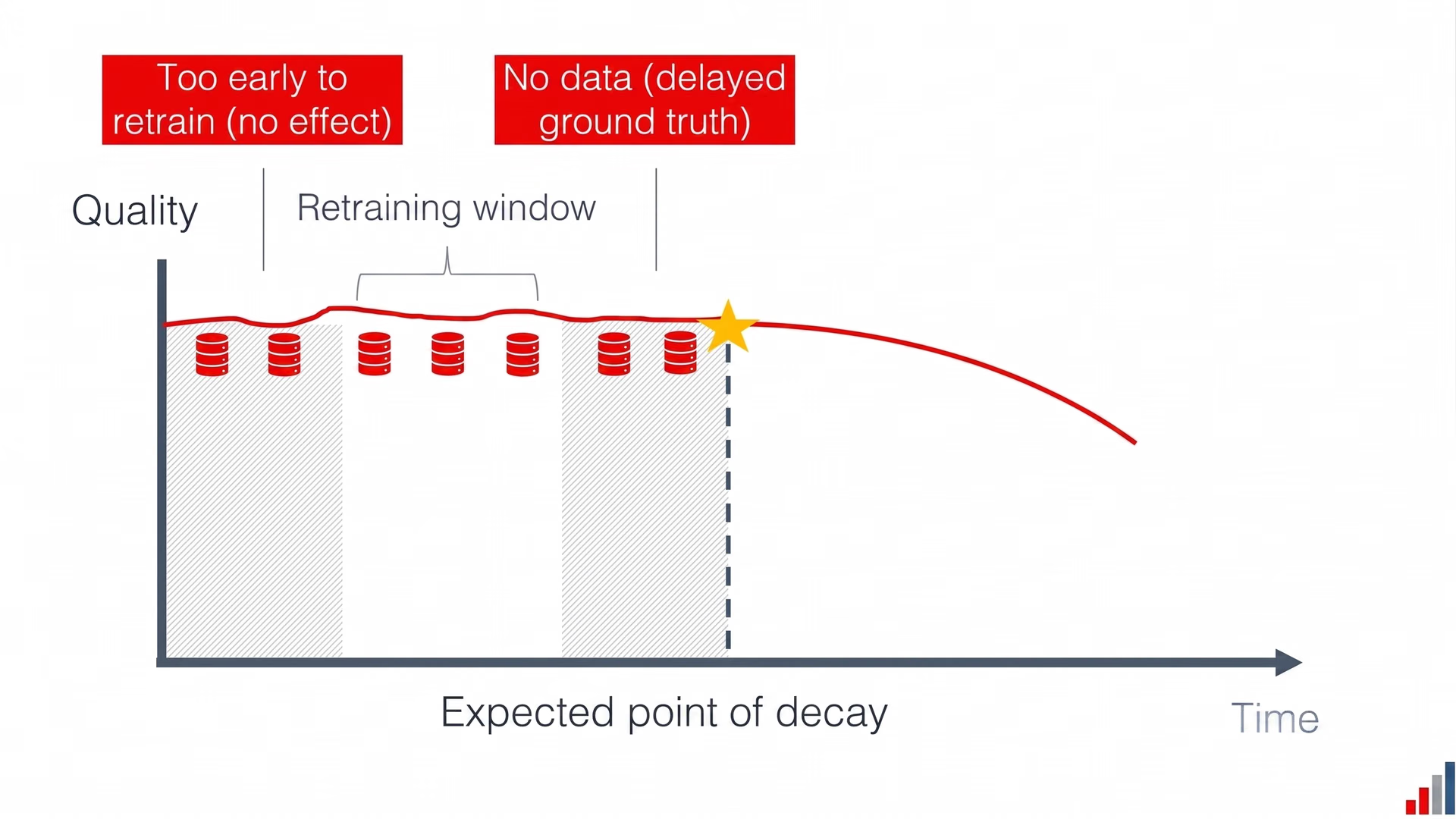
Fig 2. An example of deciding when to retrain a model.
For gradual changes, incremental learning is a great approach. The model learns from new data while keeping past knowledge, making updates faster and more efficient. This way, it improves without starting from zero.
When data changes drastically, you’ll need to retrain your model completely. The new model can be rebuilt to balance old and new patterns, preventing bias toward recent trends. After updating, it should be tested to double-check that the dip in model performance has been recovered.
Tools for computer vision model maintenance#
You can think of model maintenance as a health check for AI. Just like a hospital needs the right tools to monitor vital signs, diagnose issues early, and keep patients healthy, model maintenance tools can track AI performance, detect problems before they escalate, and ensure models run smoothly.
Here are some examples of impactful model maintenance tools:
- Prometheus: An open-source monitoring system that collects real-time metrics, such as accuracy and response time, from various targets. It integrates seamlessly with platforms like Kubernetes and Docker, allowing teams to detect and address issues before they impact results.
- Grafana: It is an open-source analytics and monitoring platform that transforms complex performance data into clear visual dashboards. It enables teams to quickly assess metrics like accuracy, speed, and error trends at a glance.
- Evidently AI: This is an open-source tool designed to monitor and analyze machine learning models. It helps identify when model accuracy declines due to data changes by generating detailed reports, indicating when retraining or updates are necessary.
Interestingly, Evidently AI can be integrated with Prometheus and Grafana to set up live monitoring dashboards, providing continuous insights into model performance.
How to implement a model maintenance process#
Let's take a closer look at an example to understand how you can put in place a model maintenance plan.
Consider a Vision AI system used to analyze MRI scans to detect tumors. At first, it performs well, but as hospitals upgrade their scanners and imaging techniques improve, the model may struggle to keep up.
To keep it accurate and reliable, here are some ideal steps to include in your model maintenance plan:
- Step 1: Keep track of how the model is performing and check regularly to make sure it’s still accurate in detecting tumors.
- Step 2: Update the data the model learns from by adding new MRI scans from updated hospital scanners and improved imaging techniques.
- Step 3: Retrain the model when needed so it can adjust to changes and keep up with the latest technology.
- Step 4: Work with doctors and follow regulations to make sure the model stays reliable, safe, and useful for hospitals.
Real-world applications of model maintenance#
Computer vision models power solutions in many industries where conditions constantly evolve. Let’s take a glimpse at some key applications where ongoing model maintenance is vital.
Automated quality inspection in manufacturing#
Manufacturing industries are adopting computer vision to detect defects and enhance quality control. For instance, models like Ultralytics YOLO11 can detect objects to spot misalignments, faulty seals, or inconsistencies. However, as production processes and packaging evolve, models may struggle to maintain accuracy.
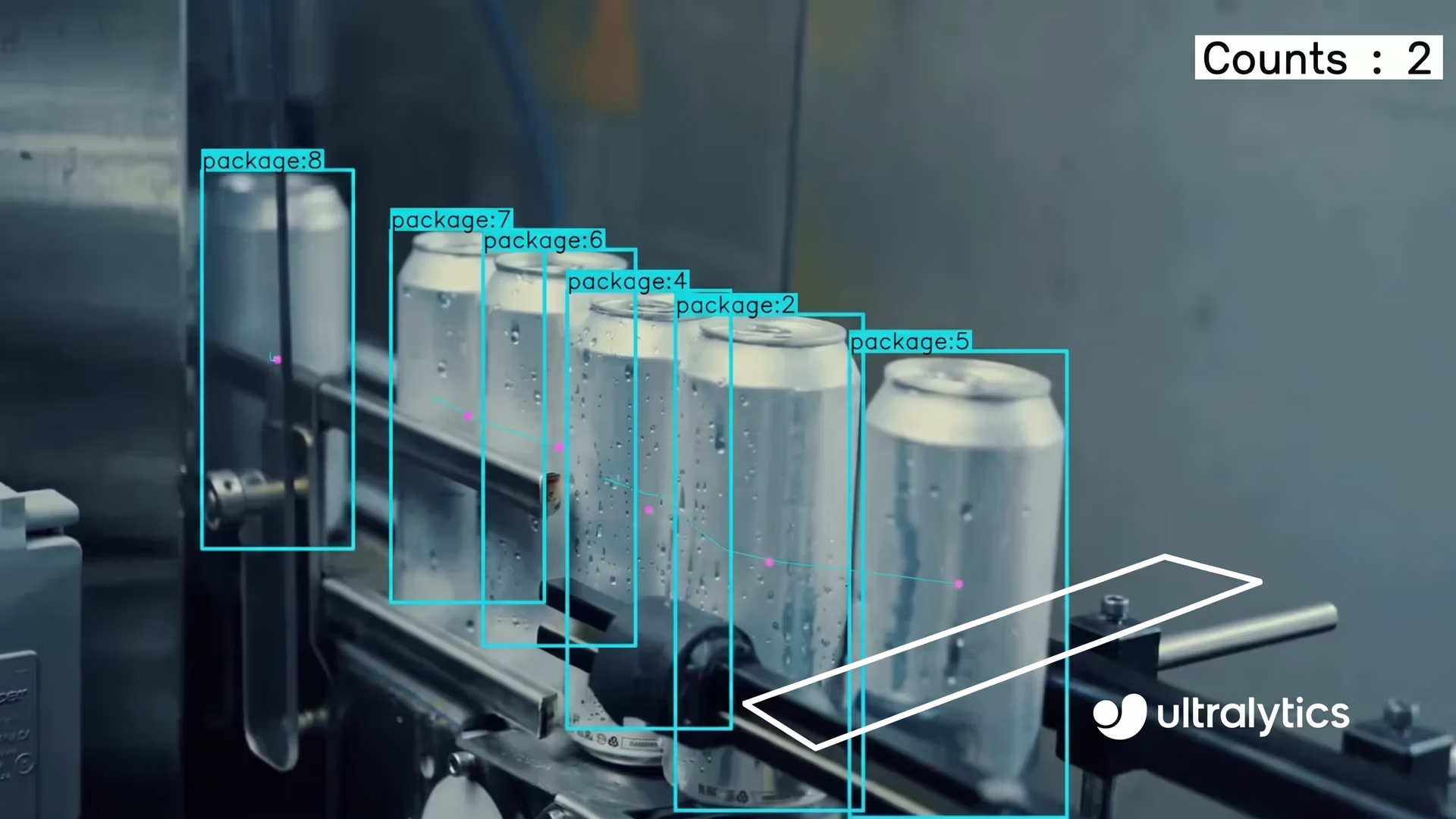
Fig 3. Using Ultralytics YOLO11 to detect and count products on an assembly line.
Even small adjustments in production, such as changes in lighting or camera angles, can impact detection. If these variations go unnoticed, defective products may pass through quality control. Routine model monitoring helps catch these inconsistencies.
By updating models with new training data, they can continue to recognize defects accurately. Retraining reinforces high-quality inspections, while automated alerts make it possible for manufacturers to respond quickly to potential issues.
Crop monitoring in precision agriculture#
Farmers use AI in agriculture to track crop health and detect any issues sooner rather than later. In particular, YOLO11 can be used to analyze images from drones and farm cameras to identify pests, diseases, and nutrient deficiencies before they spread.
However, farming conditions constantly change due to shifting seasons, soil composition, and new crop varieties. If the model is not updated, it may struggle to differentiate between normal growth changes and actual problems, leading to incorrect assessments.
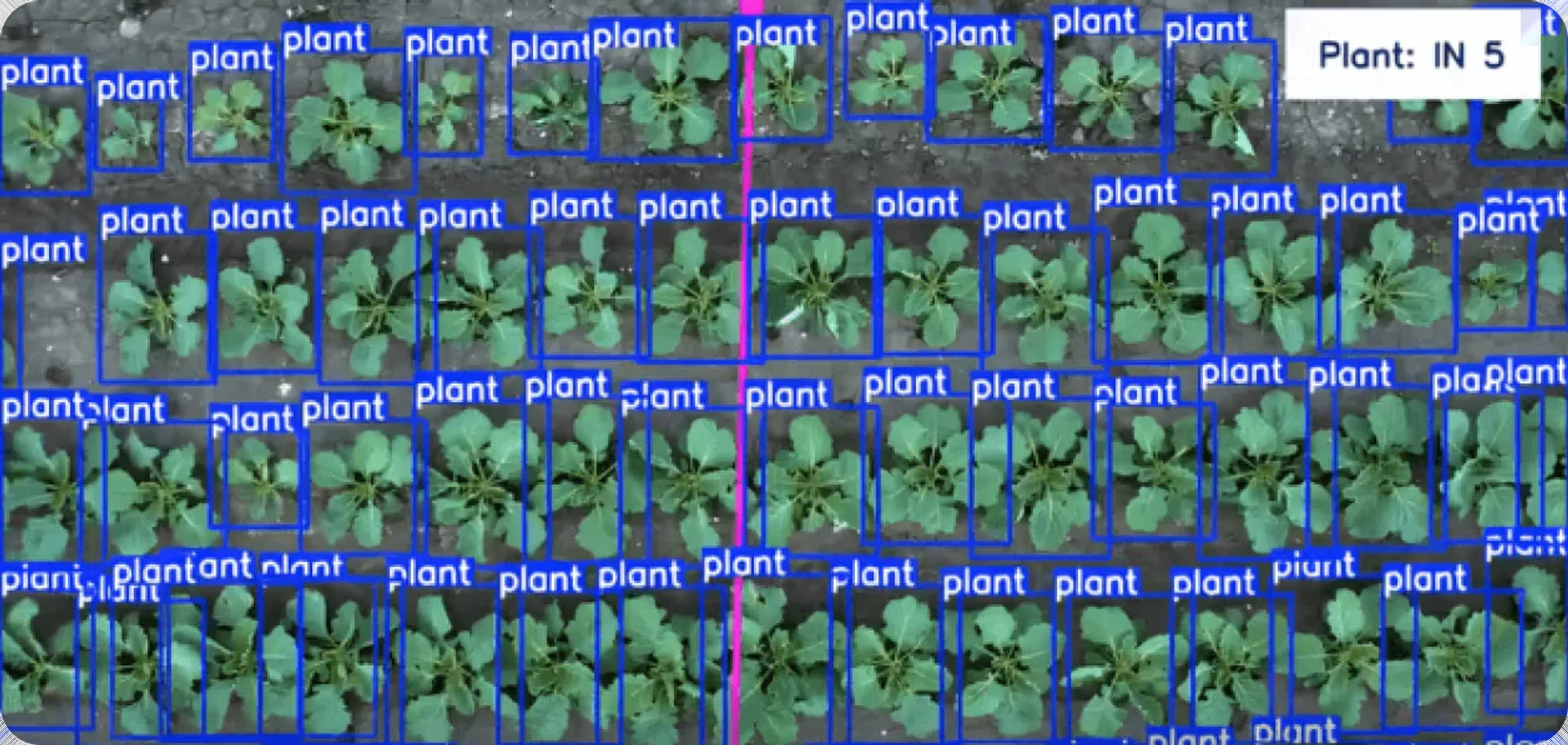
Fig 4. Detecting and counting crops using YOLO11.
Regularly updating the model with seasonal data improves accuracy. This helps farmers get reliable insights, leading to healthier crops, better resource management, and higher yields.
Key takeaways#
Computer vision models require regular maintenance to stay accurate and effective. By monitoring performance, detecting data drift, and making timely updates, errors can be prevented and models can adapt better to real-world changes.
A structured model maintenance approach improves efficiency and extends a vision AI solution’s lifespan. With the right tools and routine evaluations, you can avoid failures and keep your AI systems running smoothly.
Join our community and explore our GitHub repository to dive deeper into AI. Discover advancements like AI in healthcare and computer vision in self-driving cars on our solutions pages. Check out our licensing options to begin your vision AI projects today.








