Ultralytics YOLO11 and computer vision in plant phenotyping
See how Ultralytics YOLO11 and computer vision in plant phenotyping can be used to automate tasks like leaf counting, drought detection, and disease prediction.

Agriculture is essential to our food supply, and researchers are always looking into ways to optimize processes related to one key challenge: climate change. With global warming disrupting growing seasons and the global population on the rise, the need to develop crops that can withstand ever-changing environments is very real. Plant phenotyping is a key part of this research.
Plant phenotyping involves studying plant properties such as size, color, growth, and root structures. By understanding how plants react to different conditions, we can identify which ones are better equipped to handle drought, heat, or poor soil. This data can be used to make decisions regarding which crops to breed to boost agricultural productivity.
Typically, plant phenotyping involves manual visual observations, which can be time-consuming and labor-intensive. Computer vision, a branch of artificial intelligence (AI), can reinvent how we study plants. With computer vision in plant phenotyping, we can automatically detect and analyze plants from images or videos, significantly improving speed, consistency, and accuracy.
For example, computer vision models like Ultralytics YOLO11 can process vast volumes of visual plant data captured by drones, ground robots, or handheld devices. With its support for various computer vision tasks, YOLO11 can be used to analyze various plant properties in images and videos.
In this article, we will take a closer look at challenges in traditional plant phenotyping and explore how computer vision models like Ultralytics YOLO11 are driving smarter and more sustainable agricultural practices.
What is plant phenotyping?#
Plant phenotyping is the process of observing and analyzing a plant’s physical and biochemical characteristics. By gathering data such as plant height, leaf area, growth rate, and stress responses, we can gain valuable insights into how plants grow and react to diverse environments.
The data collected through plant phenotyping is vital for crop improvement, yield prediction, and climate resilience enhancement. These data points also help farmers and agricultural experts select the best-performing plant varieties for further cultivation or breeding.
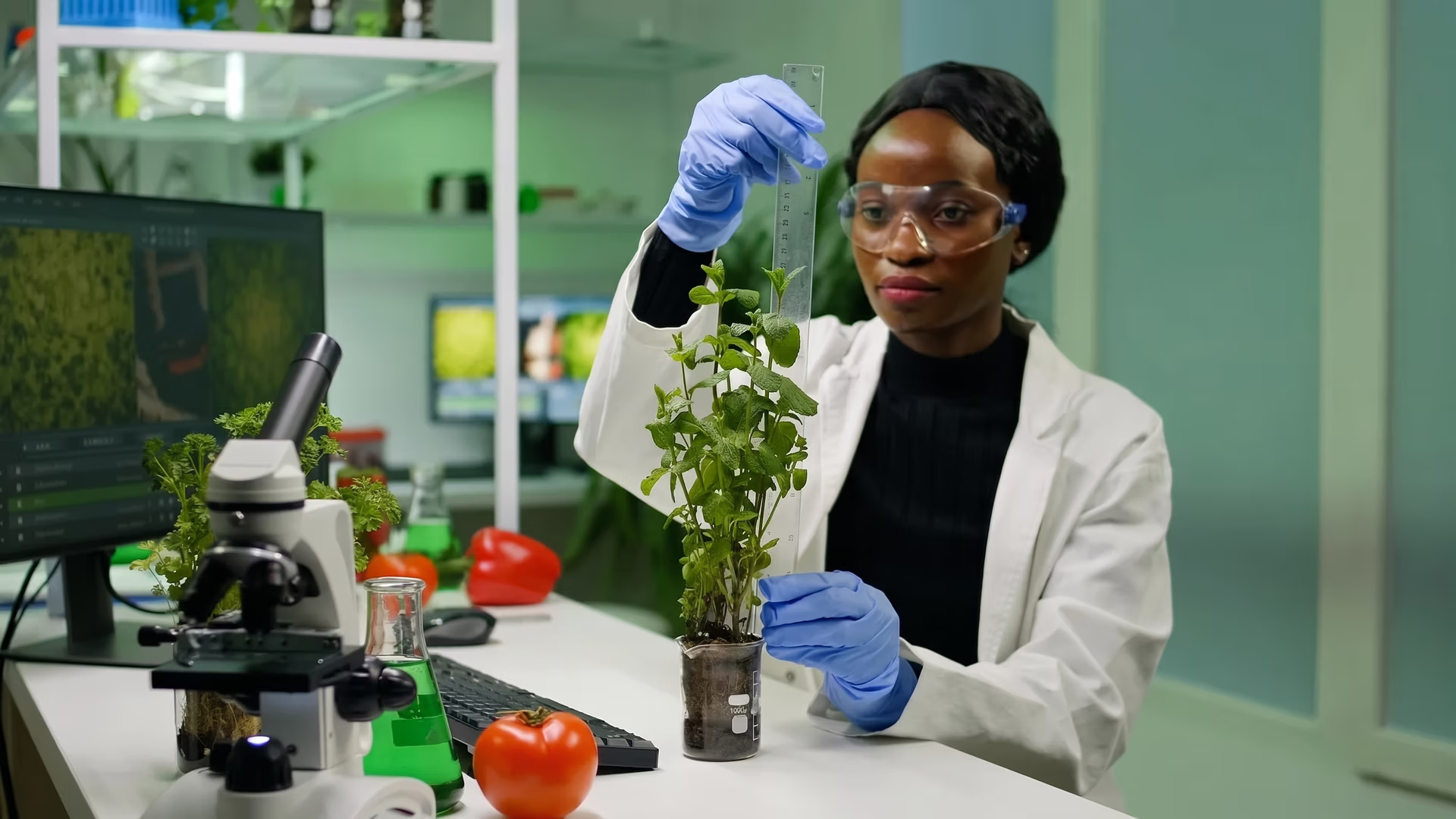
Fig 1. A researcher measuring the height of the plant using a ruler.
Even today, plant phenotyping generally involves manual methods. Researchers or expert farmers visit fields, physically measure plants, and record data by hand. Despite their value, these methods require a lot of human effort. They can also lead to inconsistencies, as different people may observe and interpret plant traits differently.
Modern phenotyping or high-throughput plant phenotyping, however, focuses on consistency, accuracy, and non-destructive data collection. Plants are monitored using advanced tools like RGB cameras (standard color cameras), hyperspectral sensors (devices that capture a wide range of color information, even beyond what the eye can see), and LiDAR (Light Detection and Ranging) systems (laser-based scanners that create detailed 3D maps) to capture high-resolution data without physically disturbing the plants.
When combined with AI and computer vision, these non-invasive methods can help to significantly improve the accuracy and consistency of plant phenotyping.
Limitations of traditional plant phenotyping#
While fundamental, traditional plant phenotyping methods have several limitations and challenges. Here are some of their key drawbacks:
- Manual methods: Traditional methods relied on human effort, and physical tools like rulers and calipers were used. They were time-consuming and subjective, especially in large farming fields.
- Destructive sampling: Plants were often damaged or uprooted to study internal plant properties. Destructive sampling makes it impossible to monitor how the plants respond at different time intervals.
- Difficulty capturing dynamic changes: Traditional methods often capture a single moment in time, missing the evolution of plant traits over time.
High-throughput plant phenotyping focuses on automating plant phenotyping to make measurements more accurate and keep things consistent. It opens new doors for agricultural innovation and smart farming.
The role of computer vision in plant phenotyping#
Computer vision is a technology that enables machines to see and interpret visual information from the real world, similar to how humans do. It involves three key stages: image acquisition, processing, and analysis.
First, image acquisition involves capturing visual data using various sensors, such as cameras and drones. Next, image processing enhances the quality and clarity of the images using techniques like noise reduction and color correction. Finally, image analysis extracts meaningful information from the processed images using different computer vision tasks like object detection and instance segmentation. Models like Ultralytics YOLO11 can be used for this image analysis and support such tasks.
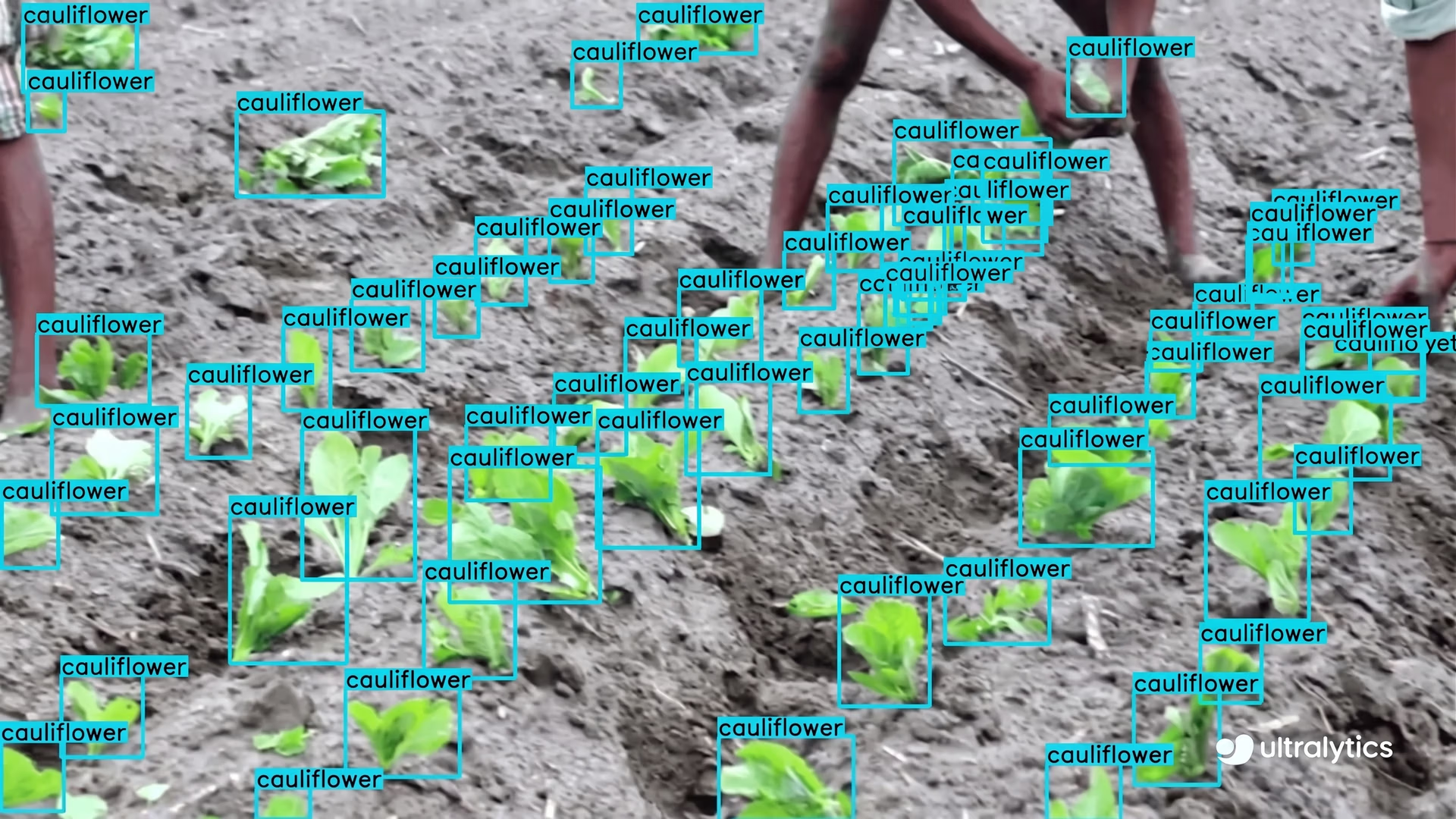
Fig 2. YOLO11 can be used to detect vegetables in a field.
Other technologies involved in high-throughput plant phenotyping#
Beyond computer vision, high-throughput plant phenotyping relies on several innovative technologies to capture detailed plant images and videos. Here are some of these key tools and how they enhance data collection:
- RGB imaging: Standard RGB cameras are commonly used to capture images of plants. RGB imaging is central to phenotypic analysis and often serves as the initial step in more complex assessments.
- Hyperspectral imaging: This technology captures a wide range of spectral bands beyond the visible spectrum. It provides detailed information about a plant’s chemical composition and helps detect factors like chlorophyll levels, water content, and nutrient deficiencies.
- Thermal imaging: Thermal cameras measure the infrared radiation emitted by plants, offering insights into surface temperature. This non-invasive method is useful for monitoring plant health and identifying potential issues early.
- 3D imaging: Depth cameras and LiDAR technology create three-dimensional models of plants. 3D imaging is critical for analyzing complex plant structures and understanding how variations impact growth and productivity.
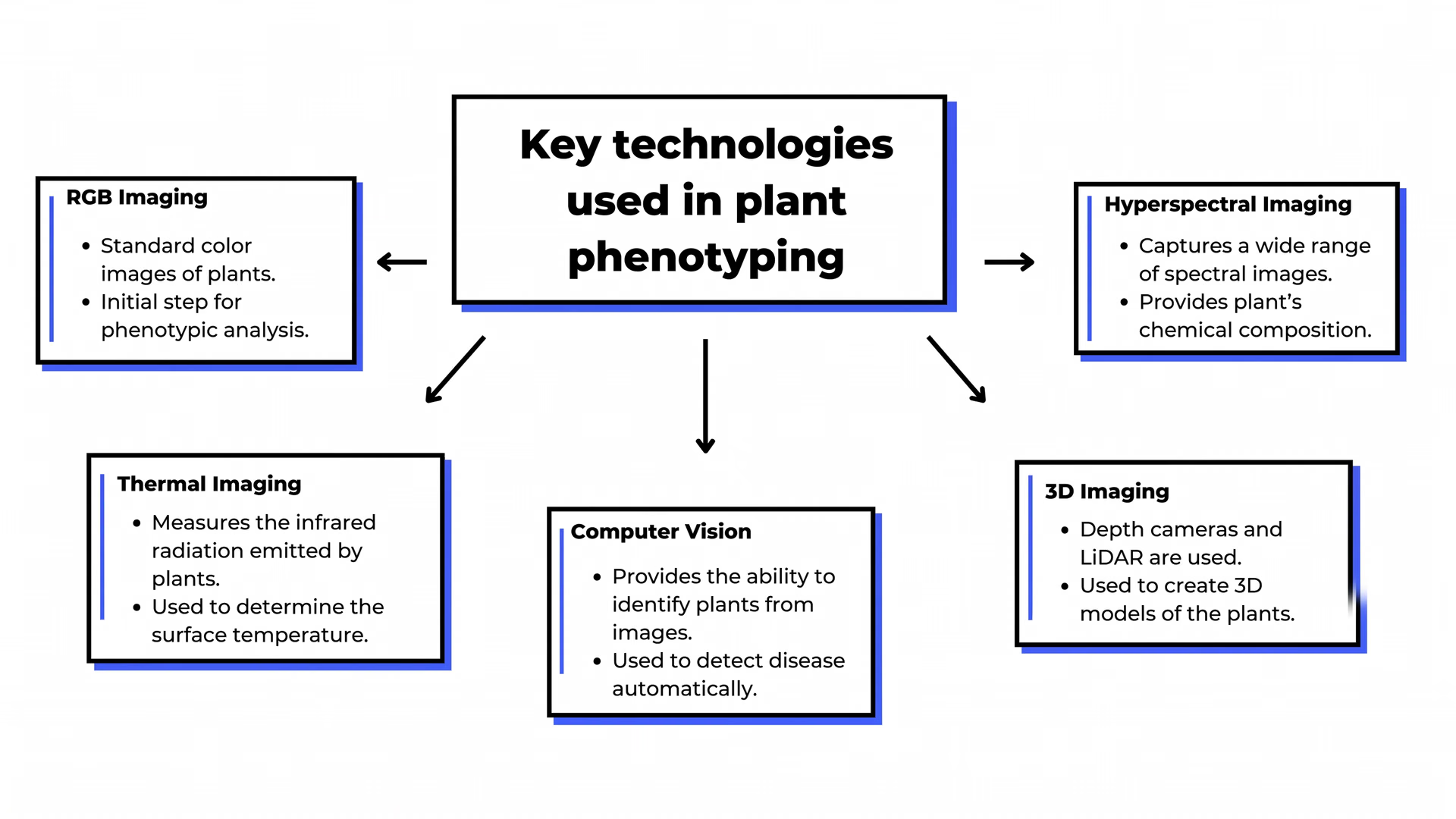
Fig 3. Key technologies being used in high-throughput plant phenotyping. Image by author.
Applications of Ultralytics YOLO11 in plant phenotyping#
Computer vision models are gradually being used in plant phenotyping across a wide range of tasks. From leaf counting to detailed morphological analysis, these technologies are transforming how we understand and manage plant health. Let’s walk through some real-world applications in which models like YOLO11 can help with plant phenotyping.
Leaf counting and drought estimation using Ultralytics YOLO11#
When vision models like Ultralytics YOLO11 are integrated with UAVs (unmanned aerial vehicles), they can be used to analyze different characteristics of plants in real time. YOLO11’s ability to detect small features in high-resolution aerial images, like leaf tips, helps researchers and farmers track plant development stages more precisely than traditional manual methods.
For instance, Ultralytics YOLO11’s support for object detection can be used to identify differences between drought-tolerant and drought-sensitive rice plants by counting the number of visible leaves. Visual cues like a leaf count often correlate with deeper traits, such as plant biomass and resilience.
Flower detection with Ultralytics YOLO11#
Flower detection and counting are interesting aspects of plant phenotyping, especially with respect to crops where blossom quantity is closely tied to yield potential. In particular, Ultralytics YOLO11 can be used to detect various floral structures. By automating the process of flower detection, farmers and researchers can make faster, data-driven decisions related to pollination timing, resource allocation, and overall crop health.
Plant disease detection with AI and Ultralytics YOLO11#
Detecting plant diseases is a crucial part of monitoring crop health. Using YOLO11’s image classification capabilities, crop images can be classified to identify early signs of disease. YOLO11 can also be integrated into devices like drones, mobile apps, or field robots for automated disease detection. This allows farmers to take timely action against disease outbreaks, reducing yield loss and minimizing pesticide use.
For example, Ultralytics YOLO11 can be custom-trained to classify images of grape leaves that may show signs of grapevine leafroll disease. The model learns from labeled examples covering different disease stages, such as healthy leaves, mild discoloration, and severe symptoms. By recognizing distinct visual patterns like color changes and vein discoloration, YOLO11 helps grape farmers detect infections early and make more informed decisions on treatments.
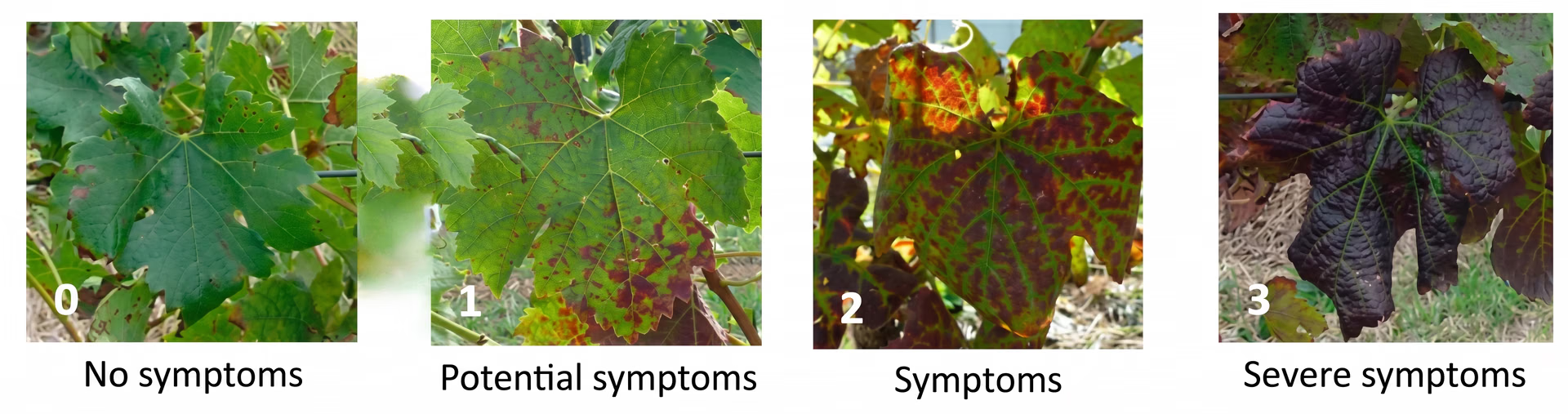
Fig 4. Examples of how the grapevine leafroll disease presents itself.
Advantages of using Ultralytics YOLO11 for plant phenotyping#
Here are some benefits of using computer vision models like Ultralytics YOLO11 compared to traditional plant phenotyping methods:
- Scalability and cost-effectiveness: Automating processes with Ultralytics YOLO11 can reduce the need for manual labor, making it a scalable and cost-effective solution for large-scale agricultural operations.
- Real-time alerts: Integrating insights collected using Ultralytics YOLO11 with automated systems delivers instant notifications about potential issues, supporting quick decision-making.
- Sustainable farming practices: By reducing manual interventions and chemical use, computer vision contributes to more environmentally friendly and sustainable agriculture.
Challenges of computer vision in plant phenotyping#
While computer vision offers many advantages when it comes to plant phenotyping, it's important to keep in mind the limitations related to implementing these systems. Here are a few key concerns:
- Dataset requirements: Training models require large, diverse, and well-labeled datasets, which can be difficult and time-consuming to collect, especially for rare crops or unique conditions.
- Privacy concerns: As drones and smart cameras become more common in fields, questions arise about who owns the data, how it's stored, and whether it's used without proper consent.
- Environmental conditions: Changing lighting, weather, and background clutter can affect the accuracy of visual analysis in unpredictable agricultural environments.
Moving towards high-throughput plant phenotyping#
The future of plant phenotyping is moving towards smart, interconnected systems that work together to give a clearer picture of crop health and growth. One exciting trend is the use of multiple sensors at once. By combining data from various sources, we can get a much richer, more accurate understanding of what’s happening to a plant.
Market trends also showcase a growing interest in advanced plant phenotyping methods. The global plant phenotyping market is about $311.73 million this year (2025) and is set to reach $520.80 million by 2030.
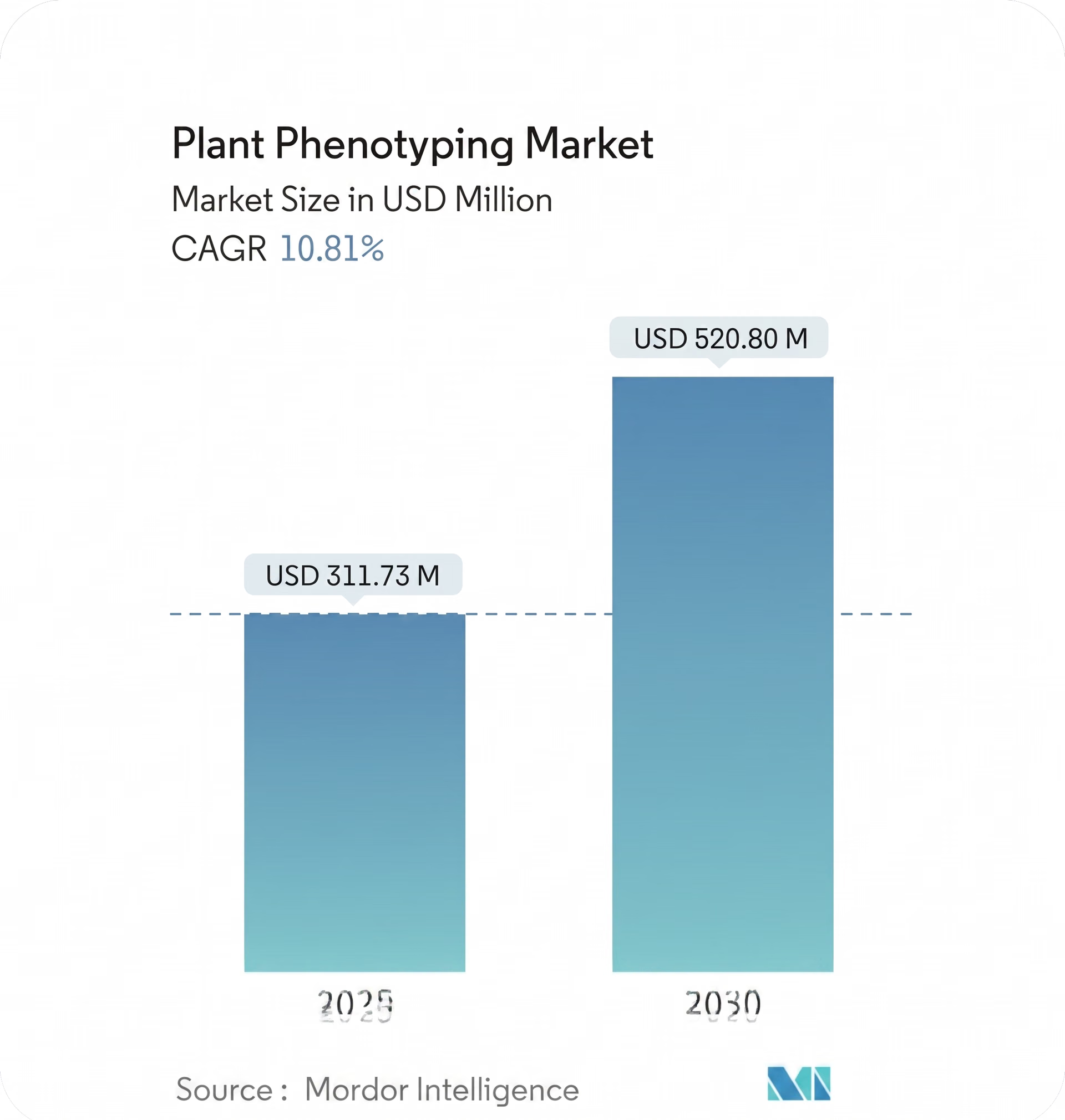
Fig 5. The market value for plant phenotyping.
Key takeaways#
Computer vision in plant phenotyping is helping automate the measurement and analysis of plants. Vision AI models like Ultralytics YOLO11 can reduce manual work, achieve better results, and make it easier to monitor crops on a large scale. The shift from traditional methods to smart, tech-driven systems is a significant step toward addressing global challenges like climate change, food shortages, and sustainable farming.
Moving forward, integrating computer vision with other technologies like AI, robotics, and smart sensors will make agriculture even more intelligent and efficient. As AI advances, we are moving closer to a future where we can monitor plants seamlessly, fine-tune their growth, and provide the necessary care.
Join our community and explore our GitHub repository to learn more about AI innovations. Discover the latest advancements in areas like AI in manufacturing and computer vision in healthcare on our solution pages. Check out our licensing options and get started with computer vision today!








