AI and radiology: A new era of precision and efficiency
AI is transforming radiology by enhancing accuracy and efficiency in medical imaging. Discover AI's impact on diagnostics, disease detection and workflow optimization.
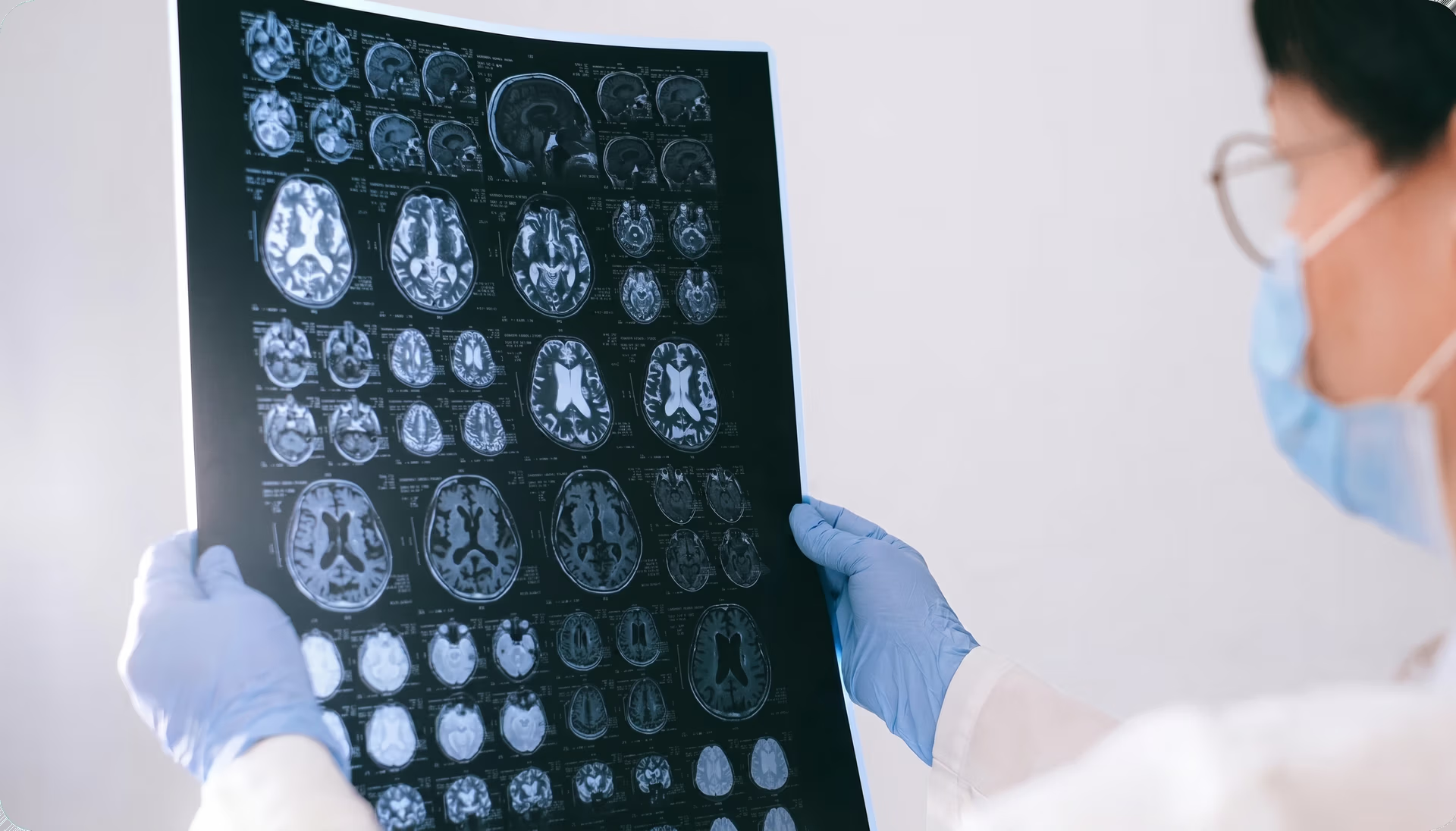
Artificial intelligence (AI) in radiology is transforming the field by boosting accuracy and efficiency in medical imaging. In this blog we’ll be taking a closer look at how AI is impacting diagnostics, disease detection and radiology workflows.
The role of AI is enhancing radiology by improving efficiency and transforming diagnostics, disease detection and workflows, leading to better patient outcomes.
An essential facet of AI's impact on radiology is its influence on the future of medical imaging.
This significance is underscored by the projected rise in radiography examinations, increasing workloads and pressures on radiologists. At Mayo Clinic, for example, a radiologist interprets one X-ray image every three to four seconds.
The frequency of Computed Tomography (CT) and Magnetic Resonance Imaging (MRI) scans also continues to rise across the U.S. and parts of Canada. This trend continues despite efforts by medical professionals to curtail imaging utilization in healthcare.
To ease this demanding task, consistent image quality is essential—something AI is helping to achieve.
AI and medical imaging#
AI technologies are seamlessly integrating into radiology practices, leading to several key innovations.
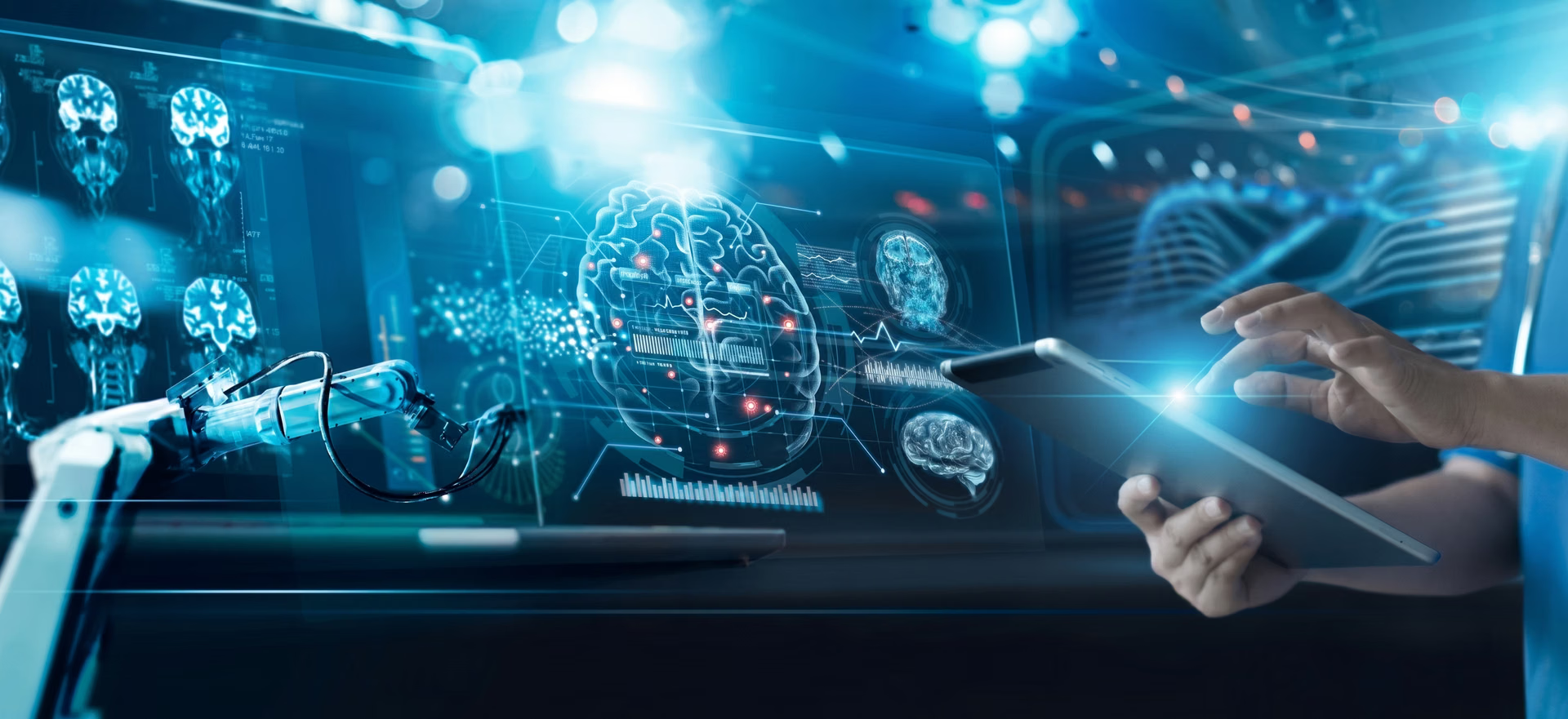
Fig 1. AI is seamlessly integrating within the radiology practice.
One of these is the use of advanced algorithms that analyze medical images with remarkable precision and speed. AI in medical imaging can quickly identify patterns and anomalies that might be missed by the human eye, significantly improving diagnostic accuracy.
For instance, AI can detect subtle changes in tissues through X-rays, MRIs and CT scans, which are vital for early disease detection.
This represents a significant leap forward compared to traditional methods, which relied heavily on the radiologist’s expertise and visual inspection. Old approaches involved manual, time-consuming analyses and carried a higher risk of human error. Therefore, by enhancing the accuracy and efficiency of medical imaging, AI has addressed many of these limitations streamlining diagnostic practices.
Overall, not only is it augmenting the capabilities of radiologists for faster medical imaging interpretation, but AI also ensures more reliable diagnoses, ultimately improving patient outcomes.
Benefits of AI in medical imaging#
Let’s dive into the unique methods in which AI is changing medical imaging practices for enhanced diagnostics and patient care:
-
3D Imaging and Reconstruction: Elevates the creation of 3D images from 2D scans, providing more detailed and comprehensive views of anatomical structures.
-
Automated Reporting: It can generate preliminary reports, highlighting potential abnormalities and summarizing findings. AI radiology workflow also streamlines processes and improves efficiency for radiologists.
-
Predictive Analytics: Uses data from medical images to predict patient outcomes and potential future health issues, allowing for earlier interventions.
-
Enhanced Image Quality: It can improve image quality by reducing noise and artifacts, leading to clearer and more accurate diagnostic imaging.
-
Personalized Treatment Planning: Aids in creating tailored treatment plans based on individual patient data and imaging results.
-
Radiomics: Extracts high-dimensional data from medical images that are not visible to the naked eye, providing deeper insights into the underlying pathology.
-
Real-Time Monitoring: Facilitates real-time monitoring and analysis of images during procedures, assisting radiologists in making immediate and informed decisions.
-
Reduction of False Positives and Negatives: By improving diagnostic accuracy, AI minimizes instances where imaging suggests diseases that aren't present and ensures real diseases are not overlooked. As a result, patients undergo fewer unnecessary interventions, receiving better care.
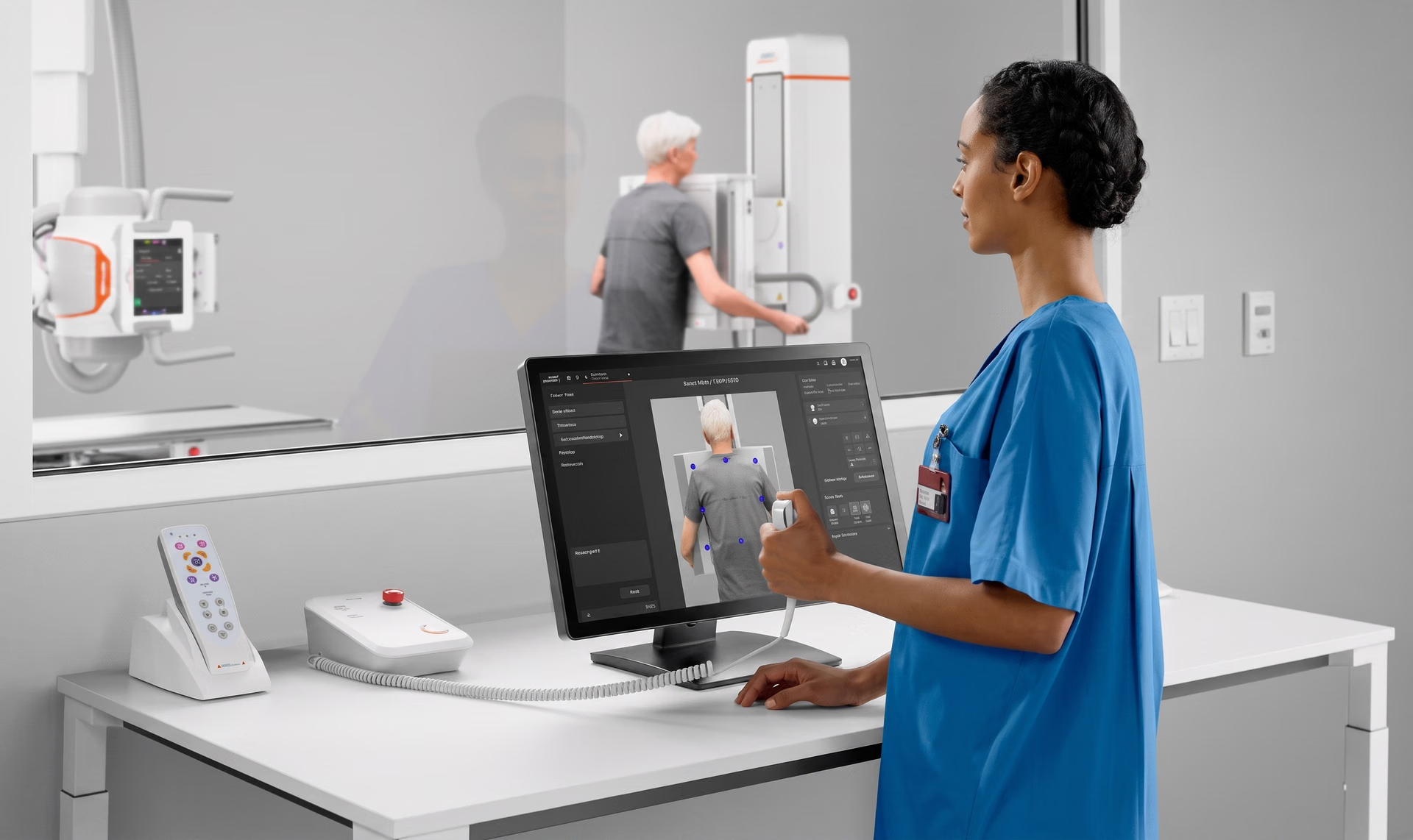
Fig 2. AI-powered smart chest X-ray focusing.
AI cancer detection#
Building on the advancements in AI-driven radiology, machine learning has also become a powerful tool in the field of oncology, particularly in differentiating between benign and malignant tumors.
An integration of brain tumor classification using machine learning enhances the precision and accuracy of tumor diagnosis, offering promising prospects for patient care and outcomes.
By analyzing vast amounts of medical data, including imaging scans and patient histories, AI tools can differentiate between benign and malignant tumors with unprecedented accuracy.
This advanced analysis is made possible through the application of various machine learning techniques and models:
-
Supervised Learning Methods: Techniques that rely on labeled datasets to train models in extracting relevant features from medical images.
-
Deep Learning Algorithms: Advanced methods that identify subtle patterns indicative of tumor malignancy.
-
Commonly Utilized Models — Convolutional Neural Networks (CNNs): A type of deep learning algorithm particularly well-suited for image recognition tasks. CNNs automatically learn to detect features such as edges, textures and shapes in images, making them highly effective for analyzing medical images.
-
Support Vector Machines (SVMs): A supervised learning model that is effective for classification tasks. SVMs work by finding the best line or boundary that separates different groups, like benign and malignant tumors, in the data.
-
Random Forests: An ensemble learning method that builds multiple decision trees and merges their results to improve accuracy and control over-fitting.
Impact of AI on radiologists#
Contrary to the fear that AI might replace human radiologists, it actually supports and streamlines their work.
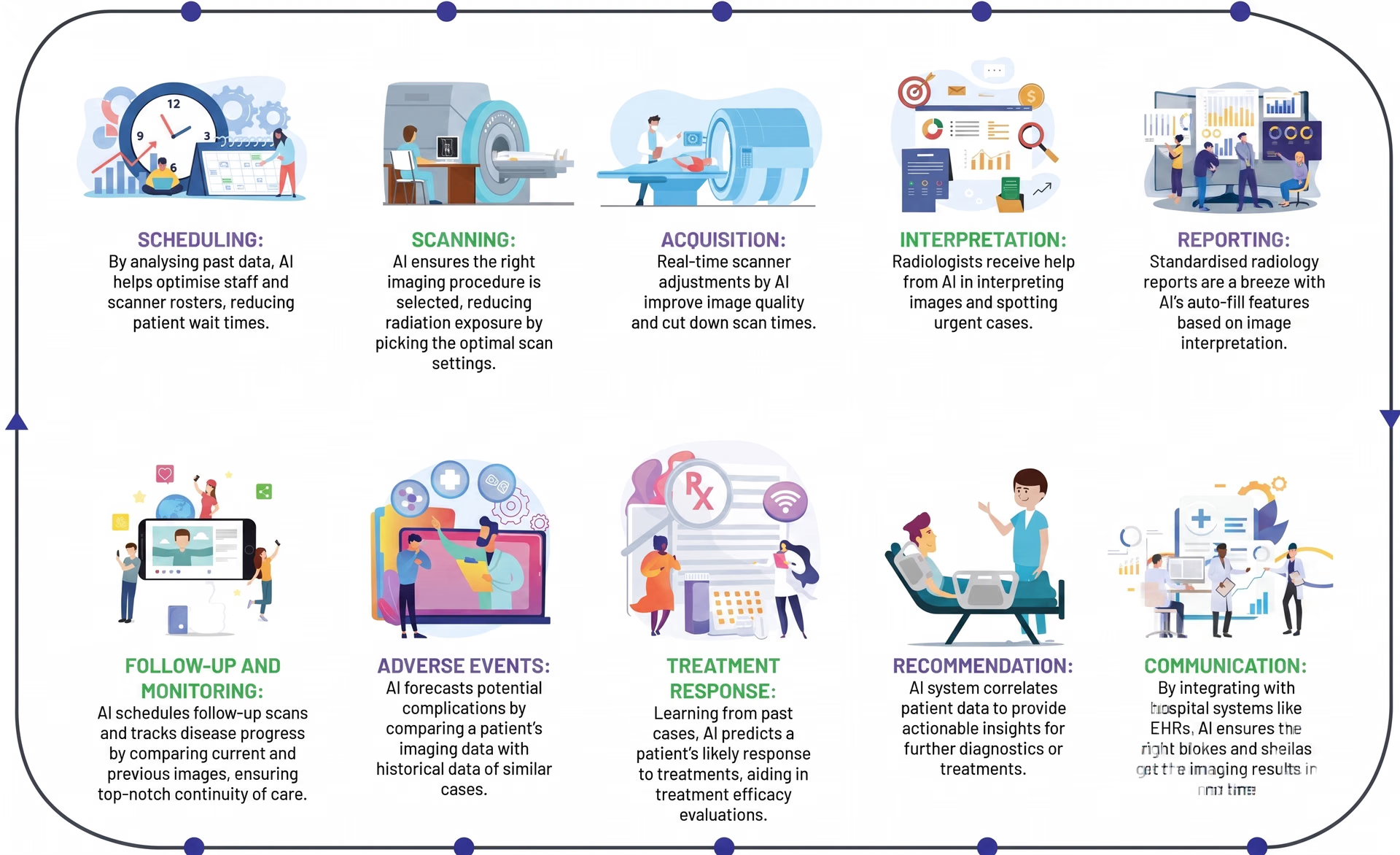
Fig 3. AI in radiology practice.
Even though AI has proven effective in certain tasks, such as image segmentation and anomaly detection, the role of the radiologist remains irreplaceable worldwide. They are still needed to interpret complex findings, communicate results to patients and make critical decisions regarding their care. AI serves as a powerful assisting tool, helping them make more accurate and timely diagnoses, while reducing their workload and cognitive load.
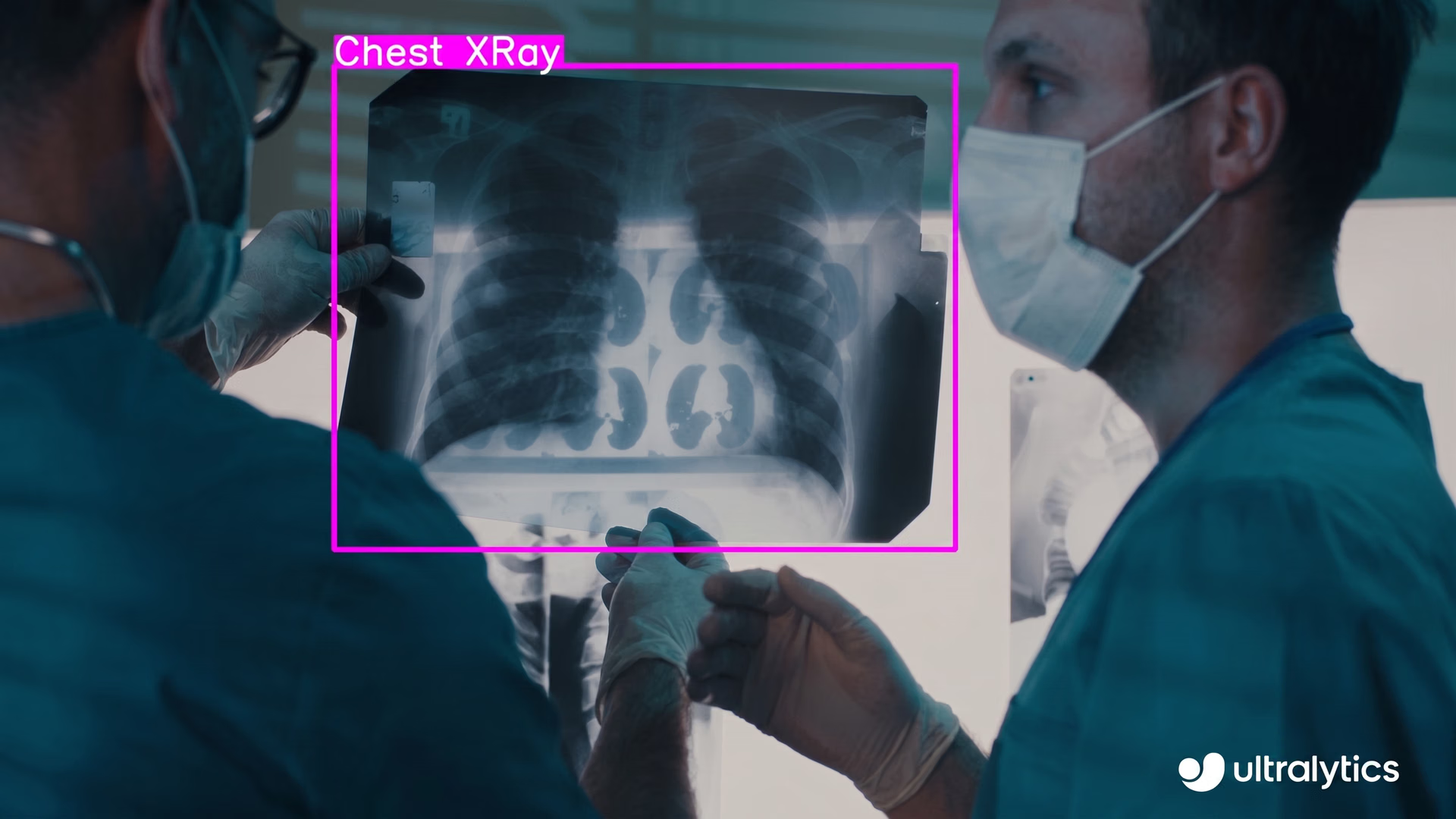
Fig 4. X-ray detection using Ultralytics YOLOv8.
In addition to aiding radiologists with real-time image processing and analysis of extensive datasets to suggest diagnoses and recommend further tests, AI offers:
- Continuous learning and professional development: Radiologists gain new insights by analyzing AI-generated data, refining their diagnostic skills while staying competitive.
- Workflow integration: Machine learning streamlines radiologists' tasks, allowing them to dedicate more time on challenging cases and provide personalized attention.
- Enhanced collaboration: AI facilitates seamless collaboration between radiologists and other healthcare professionals with centralized access to patient data and imaging results. This fosters interdisciplinary discussions and treatment planning.
Integrating AI collaboratively ensures that radiologists remain central to patient care, enhancing and augmenting their expertise. As a result, they can make more informed decisions regarding treatment strategies and patient management.
Key takeaways#
Radiology is being transformed by emerging technologies, boosting the accuracy and efficiency of medical imaging, especially in the realm of artificial intelligence cancer detection.
From advanced diagnostic processes to optimized workflows, AI's integration in radiology is essential, especially with the increasing demand for radiographic examinations.
These advancements support radiologists in making more precise and timely diagnoses, ultimately improving patient outcomes.
As AI continues to evolve, its role in radiology will only expand, offering new insights and transforming the future of medical imaging.
Interested in exploring AI? Become part of the Ultralytics community! Explore our GitHub repository to see how we utilize artificial intelligence to create innovative solutions spanning various industries like agriculture and manufacturing. Come learn and grow with us!








