AI in architecture: Redefining how cities are built
Find out how AI in architecture is improving design, efficiency, and sustainability. We’ll also discuss how AI is changing an architect’s day at work.
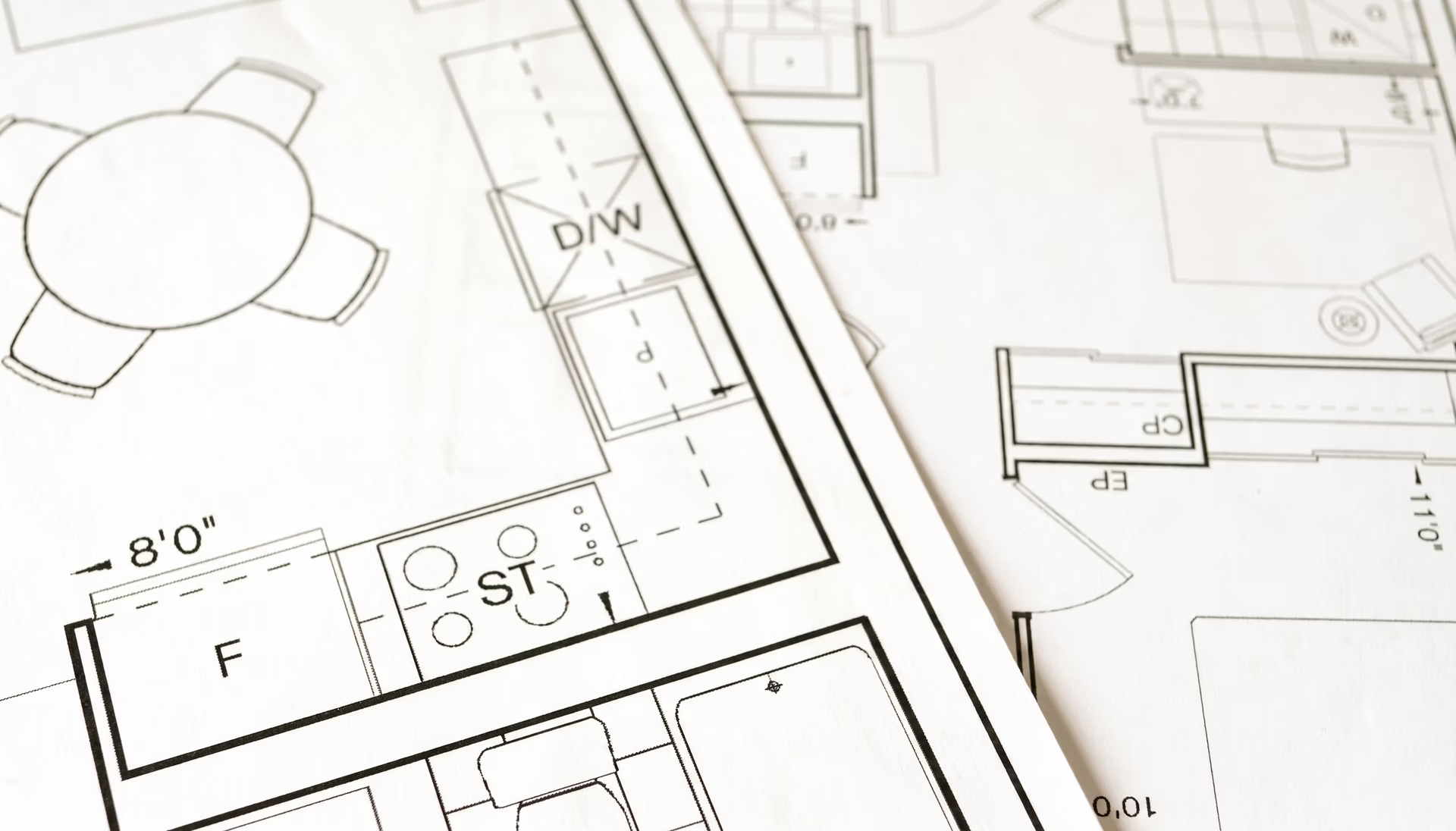
Landmarks and historical buildings like the Eiffel Tower in Paris and the Pentagon in the United States wouldn’t exist without the field of architecture and the brilliant architects behind it. Beyond adding meaningful infrastructure to our world, the global architectural services market is an essential part of the economy and is all set to reach about 550 million dollars by 2032.
Architects are constantly working on addressing challenges like reducing waste, lowering carbon footprints, and planning efficient designs. Artificial intelligence (AI) tools can step in and help solve many of these challenges in architecture. AI can aid in design optimization, structural analysis, and improve project management and visualization. In this article, we'll learn all about how AI can be used in architecture.
How is AI being used in architecture?#
AI in architecture is changing the game by making design smarter, boosting energy efficiency, and helping create more eco-friendly buildings. It’s amazing how these advancements are being put to use in real-world projects. Let's dive in and see how it's all happening.
Reducing waste and lowering carbon footprints#
In 2018, construction and demolition activities in the United States produced 600 million tons of debris. One of the prevalent issues in the field of architecture is reducing construction waste and carbon emissions. AI can be instrumental in tackling this challenge by using advanced algorithms and data analytics to optimize every phase of the construction process.
For instance, AI techniques like machine learning can analyze large datasets on material performance, supply chain logistics, and environmental impact to recommend the most sustainable materials and construction methods. Machine learning models can predict potential waste based on design choices, and let architects make adjustments earlier to minimize waste.
Generative AI can take this a step further by automatically creating multiple design options that focus on sustainability. By setting parameters like material efficiency, structural integrity, and energy usage, generative AI can be used to generate a variety of designs that meet environmental goals while still looking great. Architects can then choose the design that best combines creativity with sustainability. Spacemaker is an example of a tool that uses generative AI to help architects and urban planners quickly create and test different design options.
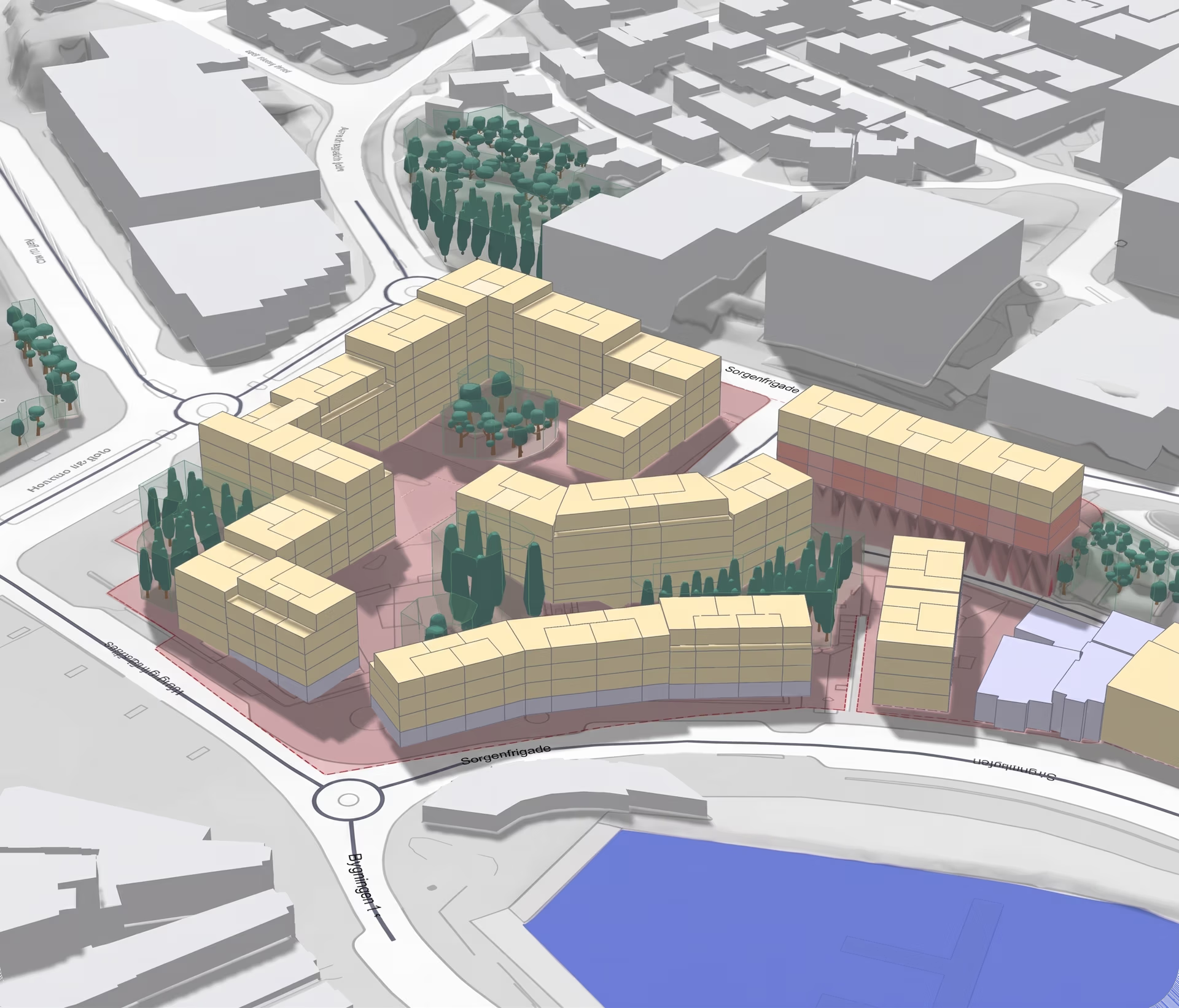
Fig 1. An example of a sustainable design generated using Spacemaker.
Integrating computer vision with building information modeling (BIM)#
Researchers are exploring how computer vision can work with Building Information Modeling to make architectural projects more accurate and efficient. BIM is a digital model that represents a building’s physical and functional features. It allows architects, engineers, and contractors to collaborate on a detailed plan, and serves as a central resource that includes everything from the building’s structure to its systems.
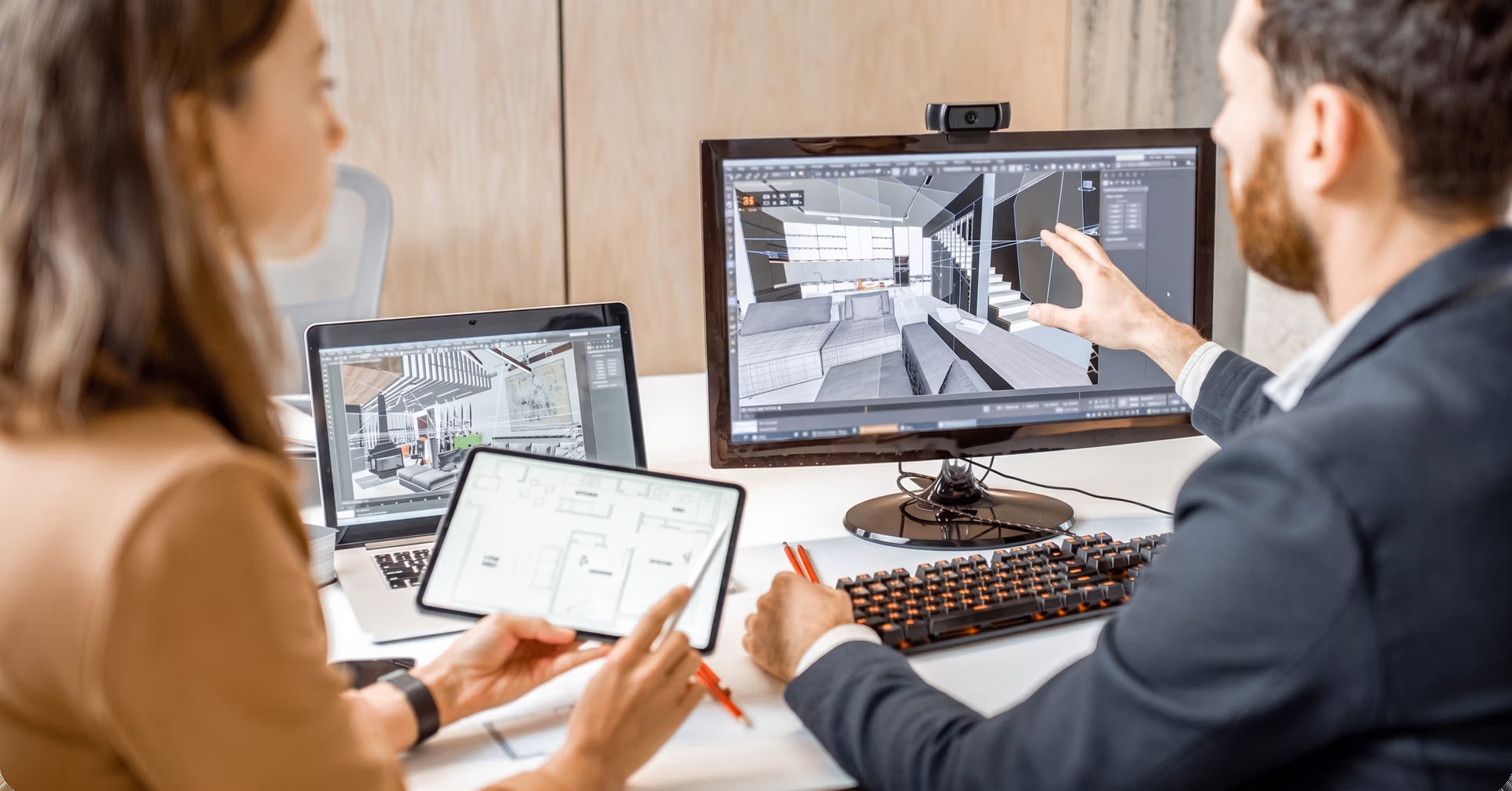
Fig 2. Architects in a discussion about Building Information Modeling.
When computer vision is added to BIM, cameras and sensors capture detailed images and 3D scans of construction sites. These visuals are then compared in real time with the BIM model to spot any differences between the planned design and the actual construction, like misaligned walls or misplaced structures. Insights from this analysis can help with quick fixes, and keep the project on track.
In the past, finding these issues relied on manual inspections that were slow and prone to mistakes. With computer vision, architects and project managers can get instant alerts when something doesn’t match the BIM model. Small problems can be stopped before they become bigger and more expensive. Combining computer vision with BIM also makes it easier for everyone involved to work together. When issues are flagged in the BIM model, architects, engineers, contractors, and clients can quickly review them and find solutions.
Unique AI applications in architecture#
AI also brings some unique applications to the field of architecture. Let’s take a quick look at a few of them:
- Energy efficiency: AI can analyze how energy is used in buildings and help optimize designs to reduce consumption and improve sustainability. By recommending energy-efficient materials and design changes, AI contributes to creating buildings that are more environmentally friendly and cost-effective in the long run.
- Safety compliance: Automated systems can check designs against building codes and safety regulations, ensuring compliance without the need for manual reviews. It not only saves time but also reduces the chance of errors, making sure buildings meet all necessary safety standards.
- Adaptive reuse: AI can help architects repurpose existing buildings by analyzing their structural integrity and suggesting modifications to meet new needs. AI makes it possible for old structures to be transformed into modern, functional spaces while preserving their historical or cultural value.
Modern architecture projects designed using AI#
While it may seem like AI-enabled architecture projects are something of the future, the reality is that AI-designed projects are already underway and even completed. Let's take a look at some of these groundbreaking projects.
The Heydar Aliyev Center#
The Heydar Aliyev Center in Baku, Azerbaijan, was designed by Zaha Hadid and completed in 2012. It shows how generative design and AI tools are changing architecture. The building’s smooth, curving shape is unlike traditional straight lines. The design reflects Azerbaijan’s modern and forward-thinking spirit. Early generative design tools by Autodesk and Rhino played a key role in creating this complex architecture.
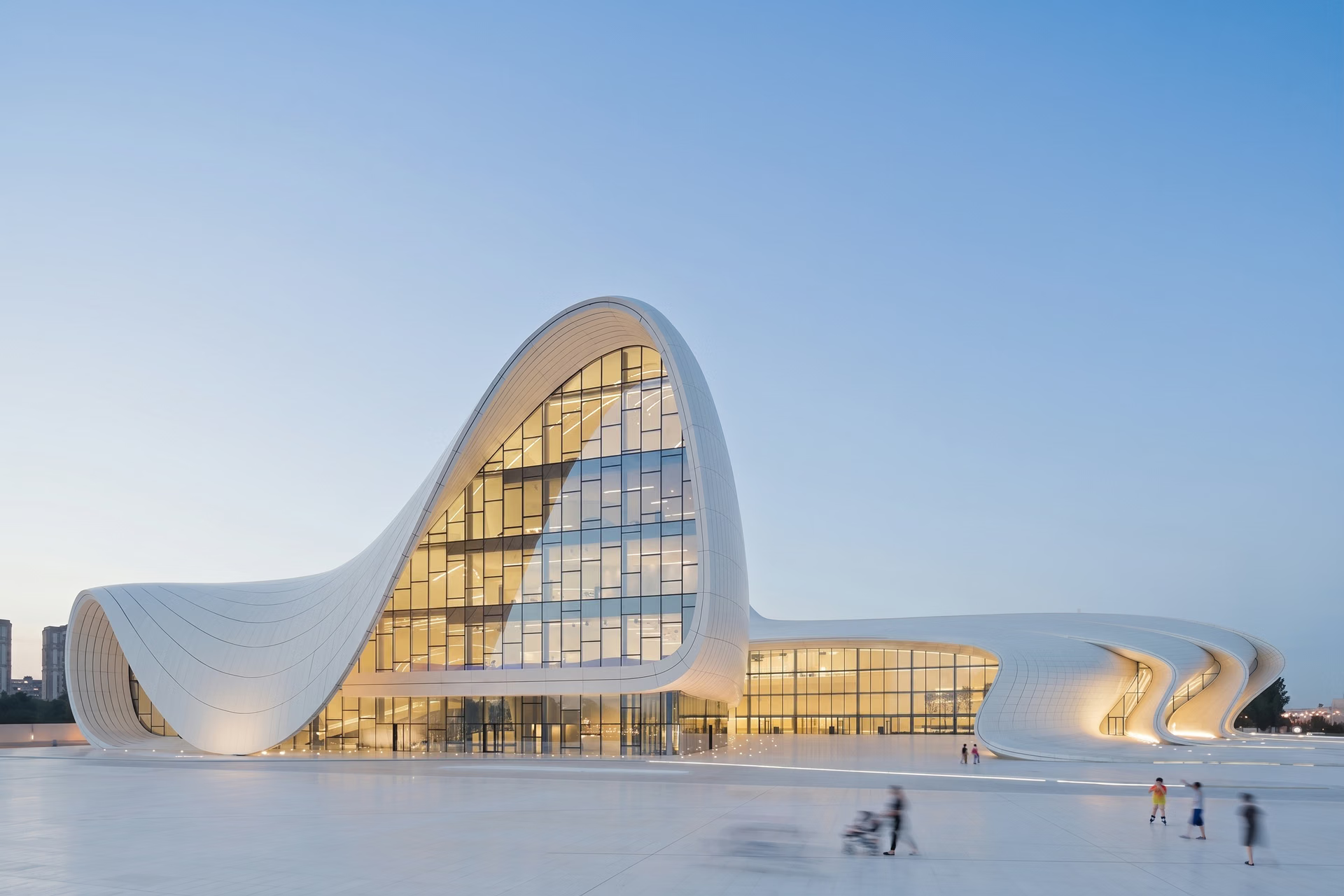
Fig 3. The Heydar Aliyev Center.
Japan’s Daiwa house industry#
Japan's crowded cities have created a demand for innovative and space-efficient home designs. Generative design, powered by AI, is becoming a key tool for companies like Daiwa House Industry to address this need. By setting specific design parameters, generative design can quickly produce a variety of home plans, each optimized for small urban spaces. Unlike traditional methods, which can be slow and less adaptable, generative design is faster and more flexible. Generative AI is redefining the way homes are designed and built in Japan's densely populated areas.
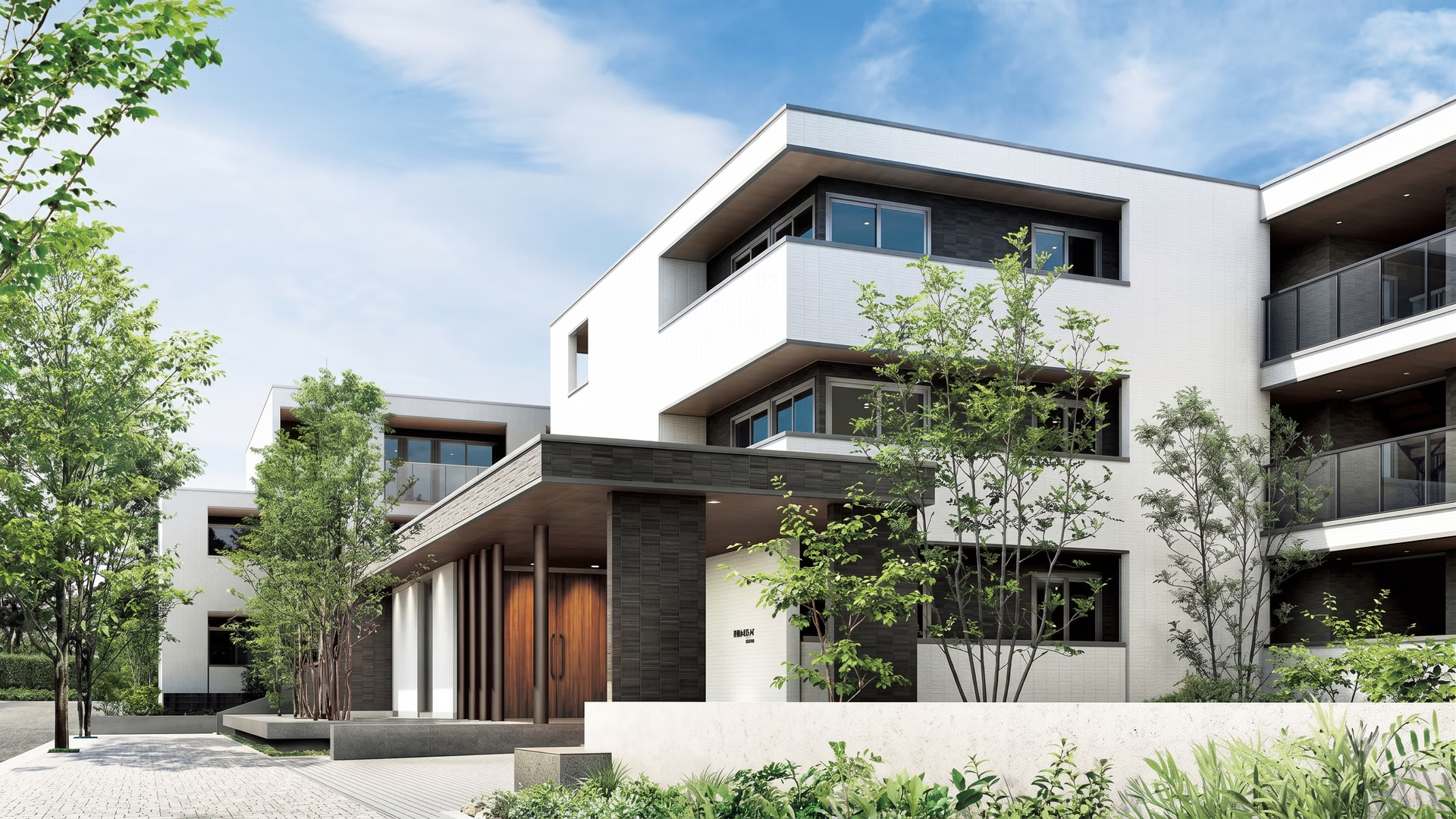
Fig 4. An Urban Housing Design By Daiwa House Industry (Source: autodesk.com).
Autodesk's Toronto office#
Autodesk's Toronto office is a great example of how AI can be used for innovative architectural designs. Using their own generative design tool, Project Discover, the company was able to create countless office layout options based on the preferences of their own employees. By combining human ideas with AI, Autodesk was able to design a perfect workspace without the usual design mistakes.
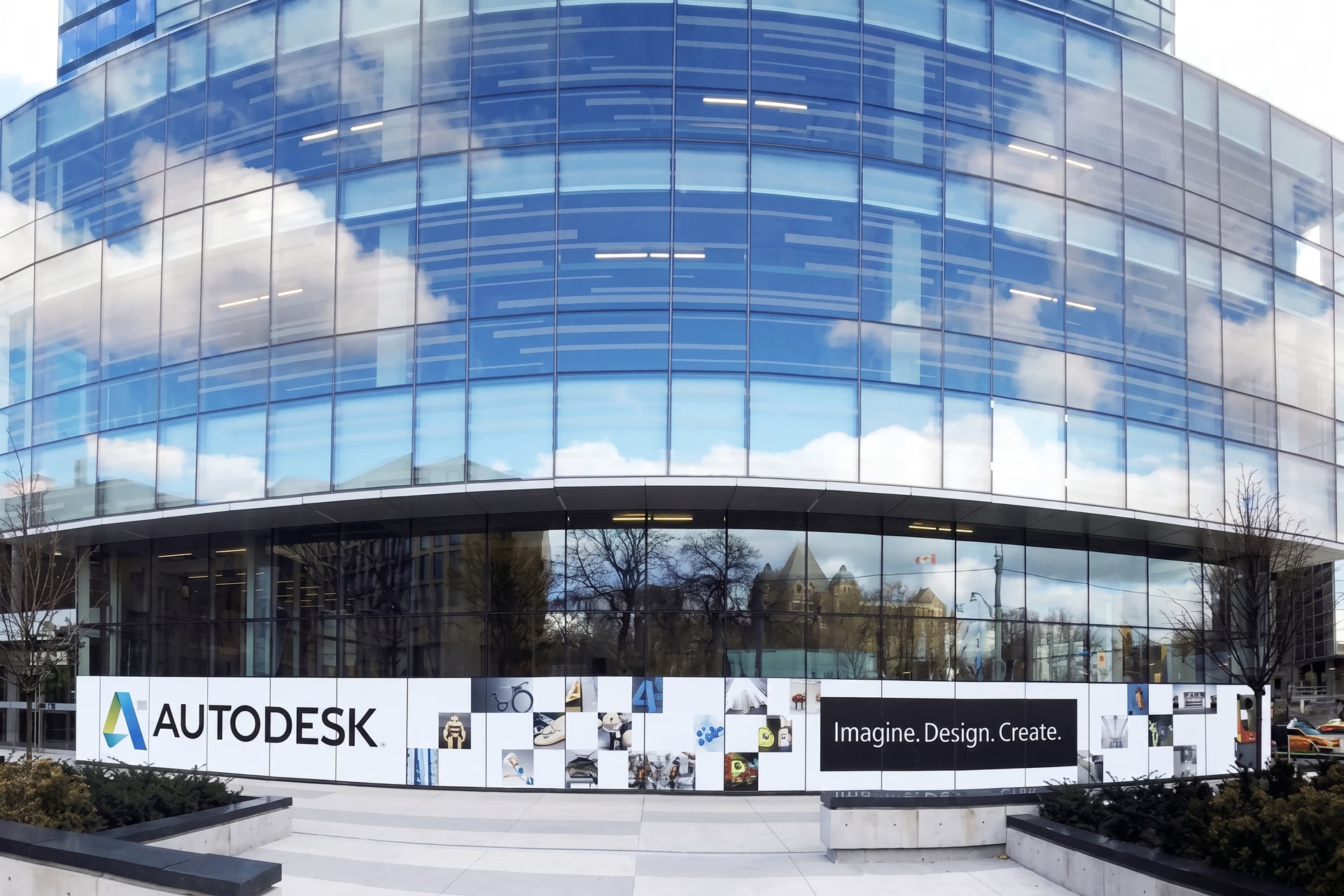
Fig 5. Autodesk’s Technology Center in Toronto.
Stamhuis’ innovative store designs#
Stamhuis, a company in the Netherlands specializing in retail shop construction and renovations, has turned to generative design to speed up and improve their design process. In the past, it would take them several hours to design a retail store layout. Now, with generative AI tools they are able to generate 40 optimized design options in just 15 minutes. At the same time, it frees up their designers to focus on more important tasks, like building client relationships and planning construction.
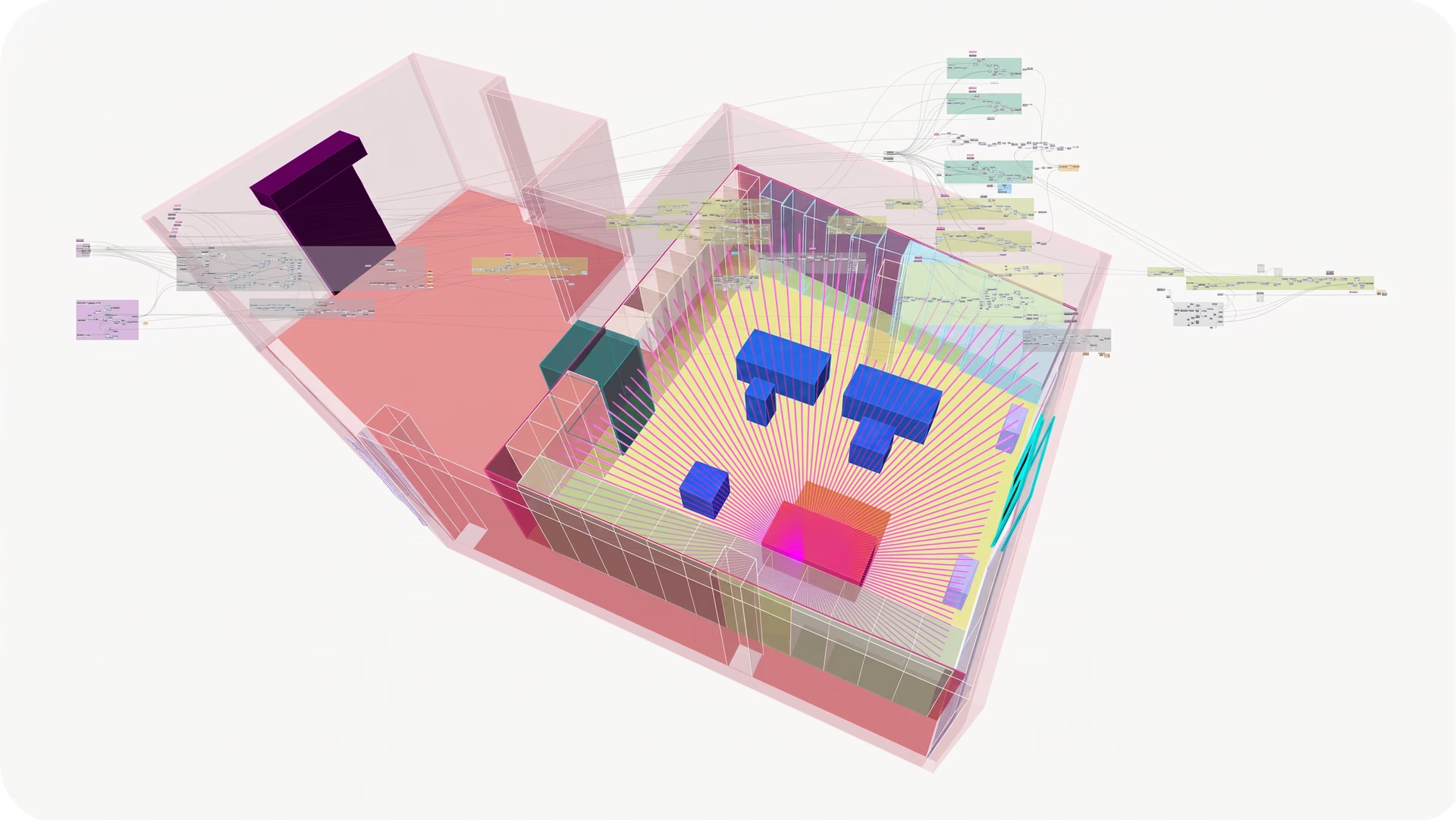
Fig 6. A Stamhuis’ store design created using AI (Source: autodesk.com)
Will AI replace architects?#
AI innovations in architecture aim to support architects, not replace them. While AI brings a lot of benefits to architecture, it's important to note that human creativity and judgment remain essential. By combining human creativity with AI's data analysis and automation abilities, architects are able to create better building designs. Studies show that there is a 30% increase in productivity, thanks to AI. Most of the tedious tasks can be taken care of by AI, and the architects can focus on the exciting and strategic parts of their job.
Challenges related to AI in architecture#
A consequence of AI tools becoming more popular in architecture is that architects need to upskill and learn how these AI innovations work. Understanding how AI and data work, helps them successfully use the AI tools. Unfortunately, this is a major challenge as many architects lack the necessary training. According to surveys, 60% of architects do not have any formal AI training. Bridging this gap is key for architects to stay competitive and create innovative modern designs.
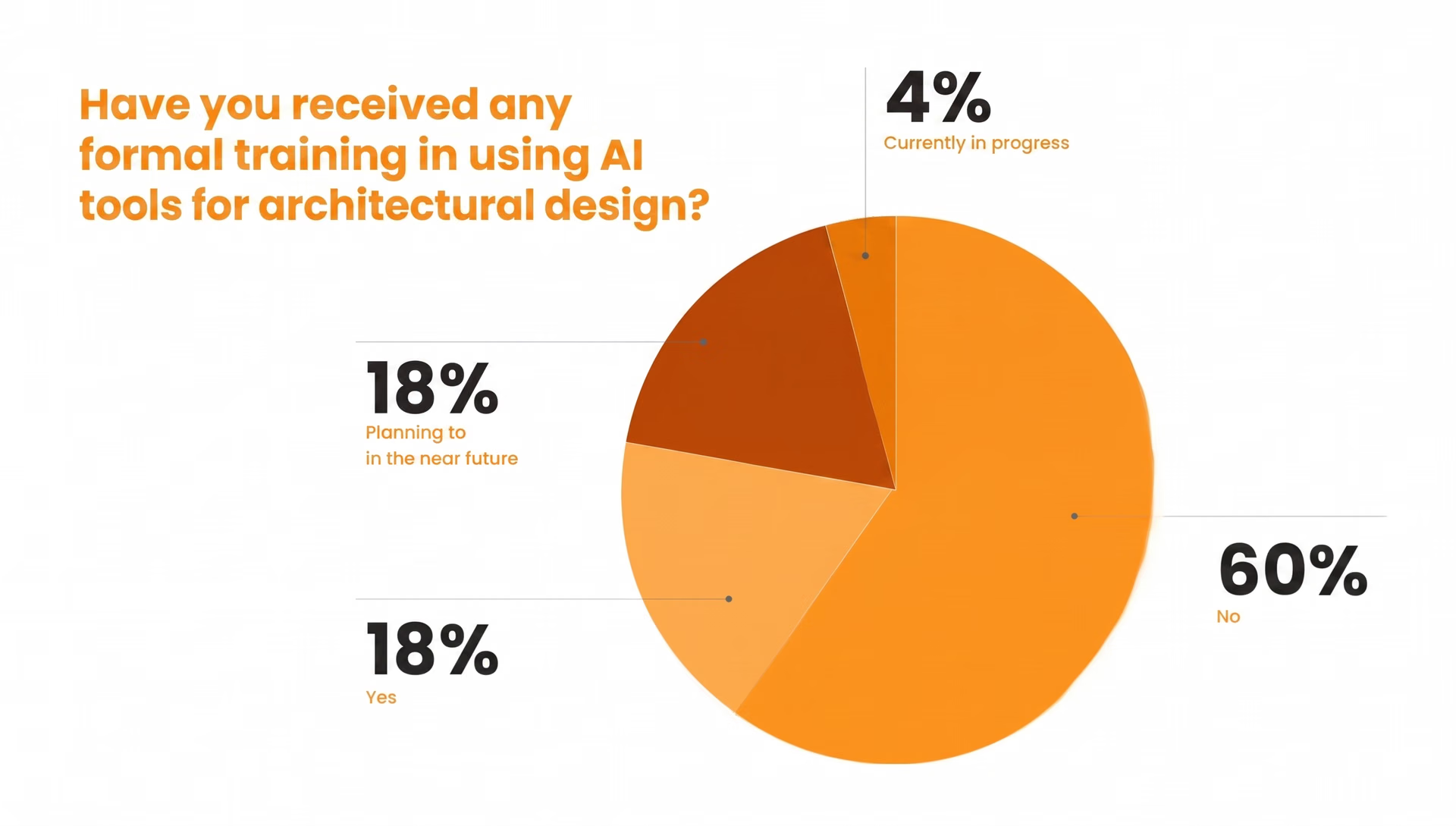
Fig 7. Statistics on AI Training for Architects.
Another challenge is the higher costs that come with implementing AI, including expenses for software, hardware, and training. These initial investments can be tough for smaller architecture firms with limited budgets. There are also ongoing costs for maintenance and upgrades, which add to the financial strain. To successfully integrate AI, firms need to manage these costs carefully. With good planning, firms can make sure the benefits of AI are worth the initial expenses.
Building a better future with AI and architecture#
AI is a powerful tool for architects. It can provide real-time information to help manage projects on time and within budget. It can also help handle time consuming tasks like design drawings, structural checks, and cost estimates, letting architects focus on creative ideas. Architects who embrace AI and explore its many features and tools can stay ahead of the curve and lead the way in the future of architecture.
Want to learn more? Explore our GitHub repository to see our contributions to AI. Discover how we are redefining industries like manufacturing and healthcare with cutting-edge AI technology.








