Reshaping supply chains with AI: Inventory, efficiency and quality
Discover how AI can optimize supply chains, enhancing efficiency, sustainability, and predictive analytics for future success.
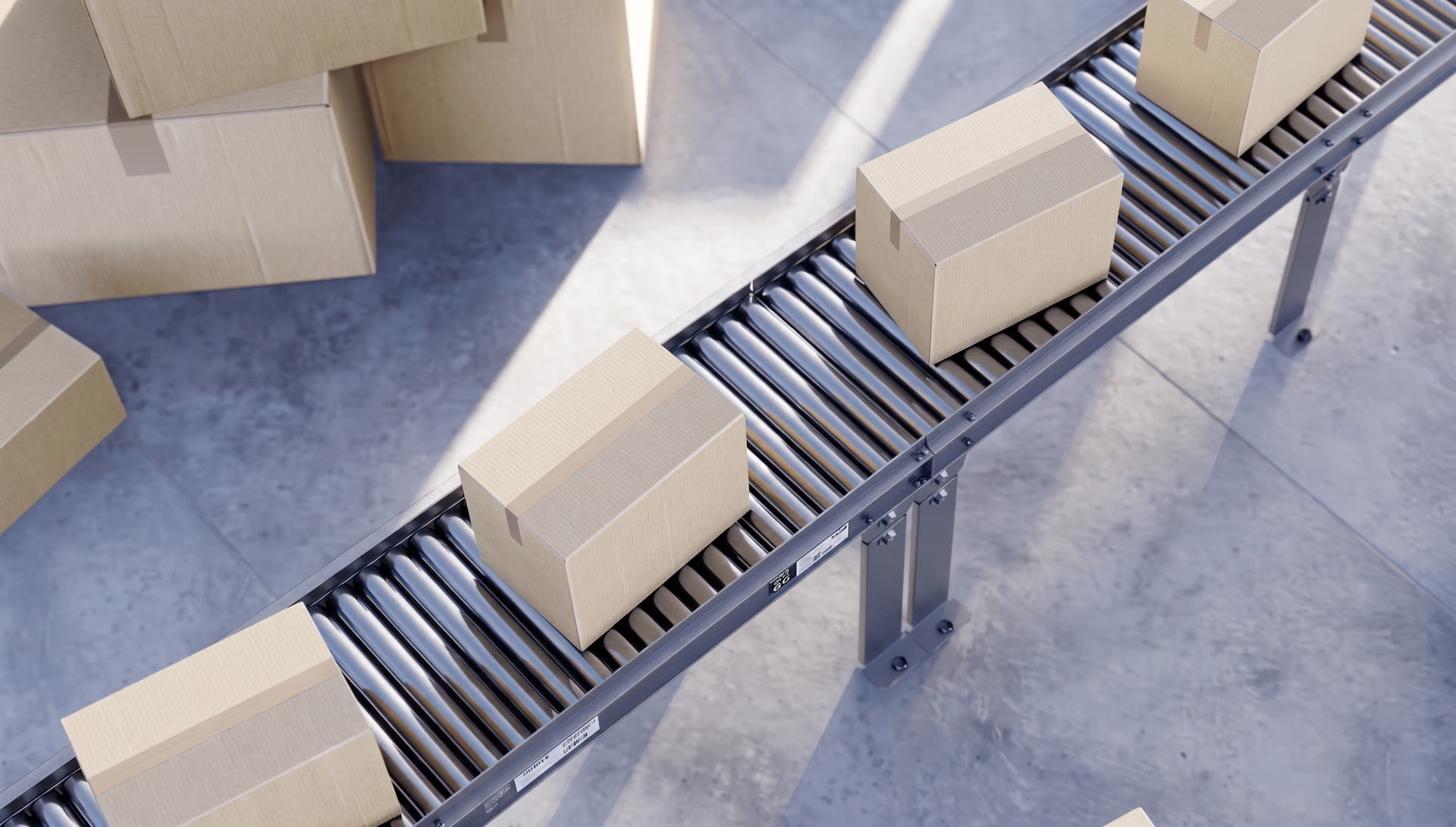
Supply chains are a vital part of global commerce, connecting suppliers, manufacturers, distributors, and retailers to ensure products reach consumers efficiently. They play a key role in determining the success of businesses, impacting costs, delivery times, and customer satisfaction. However, managing a supply chain comes with its own set of challenges, including demand fluctuations, inventory management, operational inefficiencies, and quality control obstacles.
This is where artificial intelligence (AI) comes in. AI has the potential to transform supply chain management by addressing these challenges. With AI, businesses can enhance supply chain visibility to better optimize inventory levels, employ advanced analytics within supplier relationship management to improve quality control and utilize predictive maintenance to boost equipment reliability. These enhancements provide valuable insights for better decision-making and streamline operations, elevating traditional practices to new levels of efficiency and effectiveness.
In this article, we will explore how AI is changing the supply chain landscape. We'll look at its role in different supply chain functions, discuss the benefits it brings, examine the challenges of implementation, and consider future innovations. Let's dive into the potential AI offers when it comes to supply chain management.
The role of AI in the supply chain#
AI is transforming supply chain management, offering a range of technologies that make processes smarter and more efficient. From machine learning and computer vision to predictive analytics, AI provides the tools to tackle many of the traditional challenges faced by supply chains. Let's explore how AI is being applied in key areas to transform the way supply chains operate.
Supply chain visibility#
Computer vision models like Ultralytics YOLOv8 can enhance visibility across every stage of a supply chain and allow businesses to count, track, and classify products and materials in real time. Technologies such as drones equipped with cameras and sensors can be used to monitor inventory levels in warehouses or track shipments in transit. This means companies can see where everything is at any given moment, from raw materials to finished products on their way to customers. Enhanced tracking helps prevent issues like lost shipments and ensures that any problems can quickly be identified and resolved. With better transparency, businesses can make more informed decisions, improving overall efficiency.
Supplier relationship management#
In addition to enhanced visibility, AI-powered analytics can help businesses evaluate and manage their suppliers more effectively. By automating the analysis of data on delivery times, quality, and reliability, AI can quickly identify which suppliers are performing well and which ones might be underperforming or contributing to inefficiencies. This automated insight allows companies to build stronger relationships with their best suppliers and address any problems with those who are underperforming. By reducing the reliance on human resources for supplier management, businesses can save on labor costs while improving the overall reliability and efficiency of the supply chain.
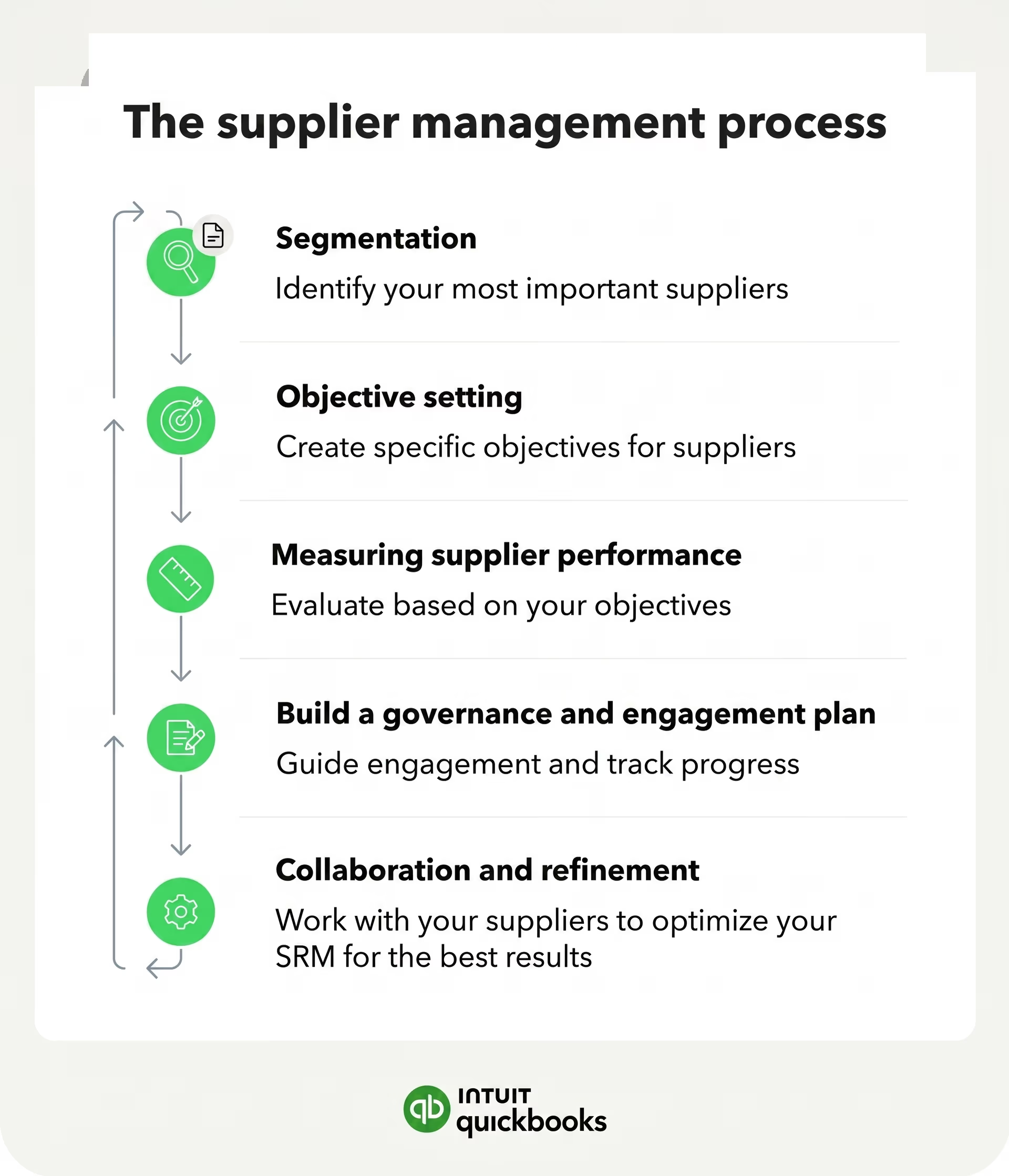
Fig 1. The supplier relationship management process.
Predictive maintenance#
Beyond visibility and supplier management, AI can also significantly enhance equipment reliability. By utilizing computer vision models like Ultralytics YOLOv8 with AI algorithms, businesses can predict when equipment in the supply chain might fail and schedule maintenance proactively. Computer vision models can use object detection and segmentation to identify signs of damage or potential failure in equipment. Once detected, AI algorithms analyze these findings to uncover patterns that indicate emerging issues. This approach enables businesses to address maintenance needs proactively, reducing the risk of unexpected breakdowns and minimizing downtime. Ultimately, predictive maintenance ensures that the supply chain operates smoothly and efficiently, avoiding costly disruptions.
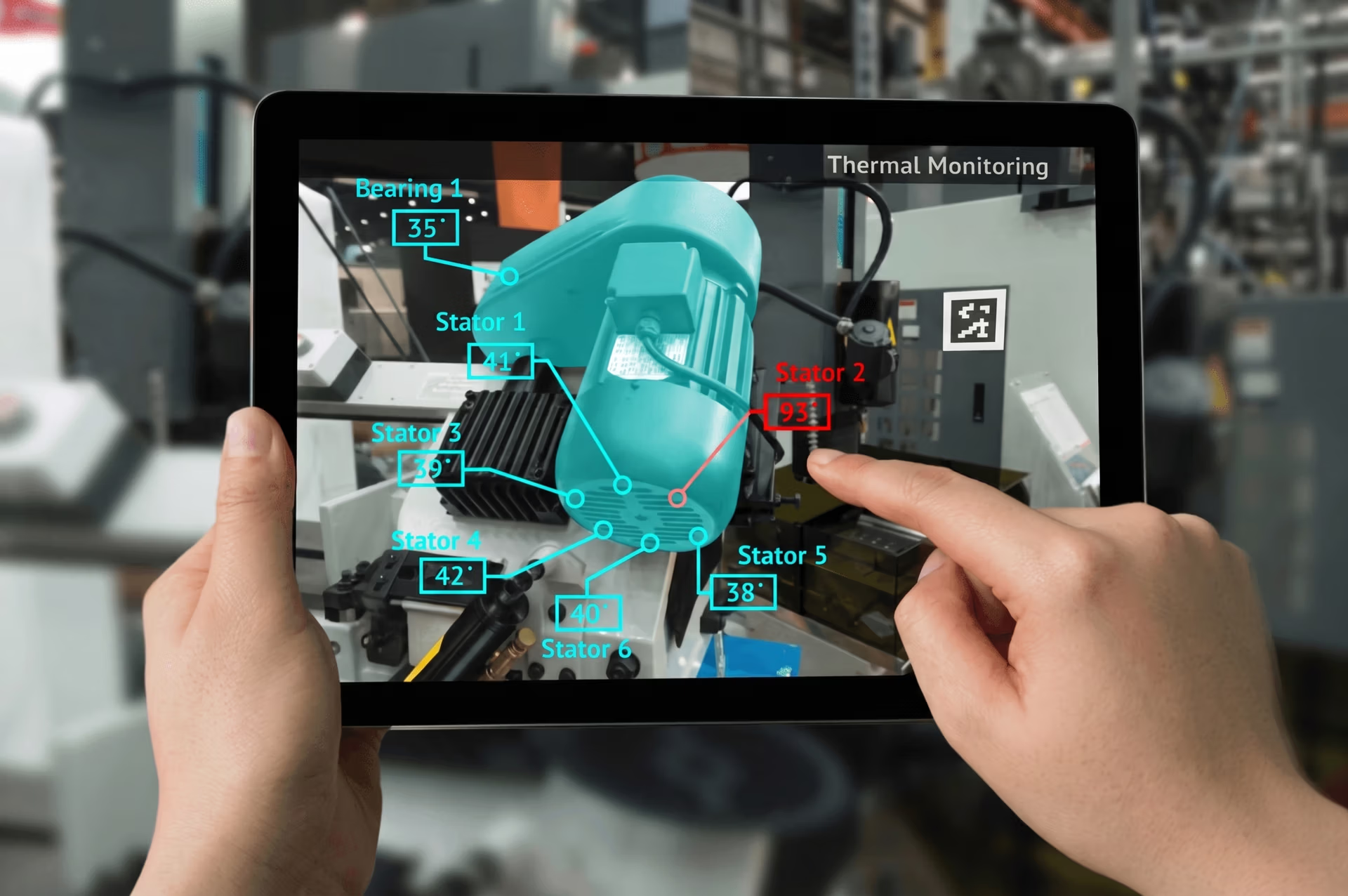
Fig 2. Computer vision monitors machines for failure signs, enhancing predictive maintenance and operational efficiency.
Benefits of AI in the supply chain#
AI is enhancing supply chain management, making operations more efficient and responsive to customer needs. Let's explore how these advancements are benefiting the industry.
Enhanced accuracy and efficiency#
AI enables real-time tracking and monitoring of products throughout the supply chain, enhancing visibility at every stage. This accuracy in tracking can help businesses manage inventory more efficiently, reducing overstock and stockouts. By streamlining logistics, AI ensures that operations run smoothly and efficiently, saving time and resources.
Improved decision making#
AI-powered analytics provide valuable insights into supplier performance, allowing businesses to make informed decisions about which suppliers to partner with. By automating the evaluation process, companies can quickly identify reliable suppliers and address any issues with underperforming ones. This data-driven approach can lead to more strategic planning and improved supplier relationships, ultimately enhancing supply chain reliability.
Improved quality control#
AI utilizes computer vision and predictive analytics to monitor equipment and identify potential malfunctions before they cause disruptions. This proactive approach to maintenance ensures that machinery operates efficiently and consistently, reducing downtime and maintaining high product quality. Additionally, AI-driven supplier relationship management helps businesses evaluate suppliers based on performance metrics such as quality and reliability. By identifying and collaborating with high-performing suppliers, companies can further improve quality standards and reduce defects. The integration of AI in supply chain quality control reflects the broader impact of AI in fields like mechanical engineering and product design, where advanced algorithms are increasingly used to enhance precision, reliability, and innovation.
Customer satisfaction#
By integrating AI into supply chain processes, businesses can deliver products more quickly and efficiently. Improved visibility, better supplier management, and predictive maintenance all contribute to a more reliable and responsive supply chain. This leads to faster delivery times and a better customer experience, increasing satisfaction and customer loyalty.
Challenges of AI in the supply chain#
While AI offers numerous benefits to supply chain management, implementing these technologies comes with its own set of challenges:
Implementation costs#
Adopting AI in the supply chain requires a significant initial investment. The costs include purchasing advanced hardware and software, setting up infrastructure, and ongoing maintenance. These expenses can be a barrier, especially for small to medium-sized businesses, as they need to balance the potential benefits against the financial outlay.
Workforce adaptation#
The introduction of AI technologies requires reskilling and training employees. Workers need to learn how to operate and interact with new AI systems, which can be a time-consuming and costly process. Companies may face resistance from employees who are unfamiliar or uncomfortable with AI, making it essential to invest in comprehensive training programs to ensure a smooth transition.
System integration#
Integrating AI with existing supply chain systems and processes can be complex and challenging. Legacy systems may not be compatible with new AI technologies, requiring significant modifications or complete overhauls. Ensuring seamless integration is crucial to realizing AI's full potential, but it often involves overcoming technical hurdles and ensuring all systems communicate effectively.
Reliability and trust#
Ensuring the reliability and accuracy of AI systems is critical for their successful implementation. Businesses must trust that AI models will consistently deliver accurate and fair outcomes. This requires rigorous testing and validation of AI algorithms to prevent errors or biases that could lead to incorrect decisions. Building trust in AI systems is essential for widespread adoption and requires transparency and accountability in AI processes.
Future innovations of AI in the supply chain#
AI is set to revolutionize the supply chain with future innovations that promise to make operations more sustainable and predictive. Here are some of the exciting developments on the horizon:
AI-powered sustainability#
As businesses strive to reduce their environmental impact, AI plays a crucial role in driving sustainability. AI-driven optimization helps companies minimize waste, reduce energy consumption, and promote the use of sustainable materials. For example, AI can analyze data to optimize transportation routes, minimizing fuel use and emissions. It can also suggest more efficient manufacturing processes that use fewer resources, leading to a smaller carbon footprint. These advancements not only benefit the environment but also contribute to cost savings and improved brand reputation.
Advanced predictive analytics#
The future of AI in supply chain predictive analytics will bring significantly enhanced capabilities. Beyond just forecasting demand or predicting equipment failures, advanced systems will provide precise insights across the entire supply chain, from logistics and shipping to inventory management and supplier reliability. These systems will predict disruptions with greater accuracy, whether it’s a delay in shipping routes, sudden changes in material availability, or shifts in customer demand. This level of foresight will lead to fewer disruptions, less downtime, and a more agile, resilient supply chain. With these advancements, businesses will be able to anticipate challenges across all areas of their operations, keeping everything running smoothly even in the face of unexpected changes.
Key takeaways#
AI is becoming an integral part of supply chain operations, providing real-time insights, improving decision-making, and automating complex processes. From enhancing supply chain visibility and managing supplier relationships to predicting equipment maintenance needs, AI is helping businesses operate more effectively.
The benefits of AI in the supply chain are substantial, including improved accuracy and efficiency, better decision-making, enhanced quality control, and increased customer satisfaction. However, implementing AI also presents challenges such as high initial costs, workforce adaptation, system integration, and ensuring reliability and trust in AI systems. Addressing these challenges is crucial for fully leveraging AI’s potential.
Looking ahead, AI innovations such as AI-powered sustainability and advanced predictive analytics will continue to drive the evolution of supply chain management. As these technologies mature, they will enable businesses to become more sustainable, adaptive, and resilient. The future of AI in the supply chain is promising, and companies that embrace these advancements will be well-positioned to thrive in an ever-changing market environment.
At Ultralytics, we're committed to pushing the boundaries of AI technology. Explore our cutting-edge AI solutions and keep up with our latest developments by visiting our GitHub repository. Join our vibrant community on Discord and see how we're revolutionizing industries such as Self-Driving and Manufacturing.








