AI in document authentication with image segmentation
Explore how AI and image segmentation are revolutionizing document authentication, boosting security, and preventing fraud.
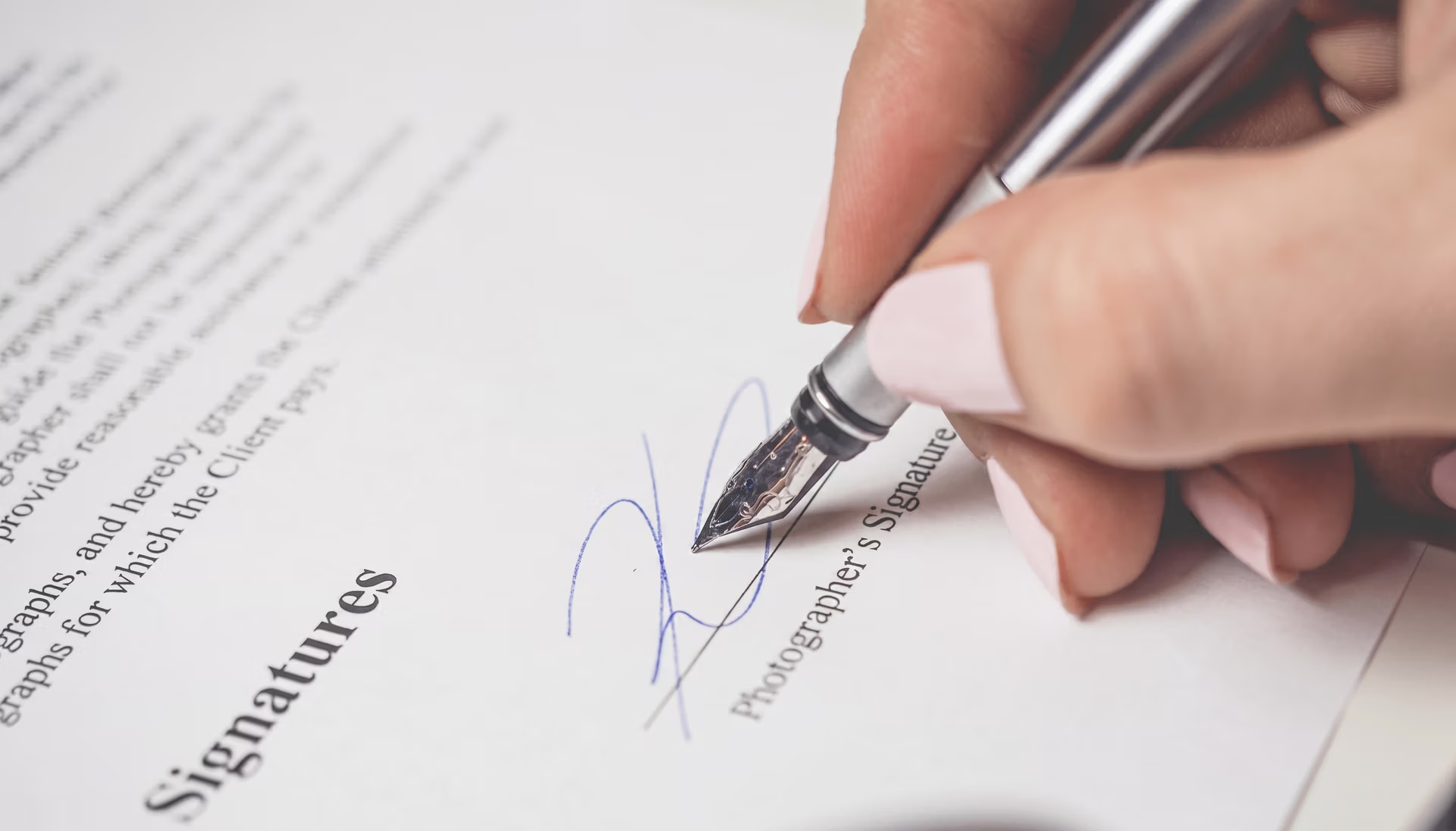
Imagine a world where tampered documents are flagged in seconds, where fraudulent activities are stopped before they even begin, and where verifying the authenticity of any document becomes an effortless task. This can be made possible with the help of Artificial Intelligence (AI) and its advancements in image segmentation for document verification.
In today’s fast-paced digital world, the authenticity of critical documents like passports, ID cards, and financial records is under constant threat. With fraud losses in the United States exceeding $10 billion, the need for robust document verification systems has never been more pressing. Traditional verification methods, reliant on manual inspection, are increasingly facing challenges in keeping up with rapidly evolving forgery techniques. But now, using AI for verifying document authenticity can change the way we safeguard document authenticity.
By breaking down documents into key components—like text blocks, signatures, and security features—AI can meticulously detect inconsistencies invisible to the human eye, transforming how industries like banking, legal and government entities ensure security and trust. With fraud costing organizations 5% of their annual revenue, AI-powered solutions can provide effective means to mitigate these losses.
In this blog, we’ll dive into how AI’s cutting-edge technology is reshaping document authentication, from boosting efficiency to preventing fraud. Whether you’re a business safeguarding sensitive information or an individual managing personal records, AI can help the way we protect and verify the most important documents in our lives.
Understanding image segmentation in AI#
Image segmentation entails dividing an image into distinct regions, such as segmenting cars, bicycles, and other objects on a street using computer vision models. When applied to documents, it can segment elements like text, signatures, and seals. This process breaks down complex images, allowing AI models to focus on specific components, rendering it an essential ally for detecting document tampering or forgery.
Computer vision models, like Ultralytics YOLOv8, can be employed for real-time object detection and segmentation tasks. These models can be trained and applied to help with document authentication by segmenting important elements like text blocks, signatures, and watermarks.
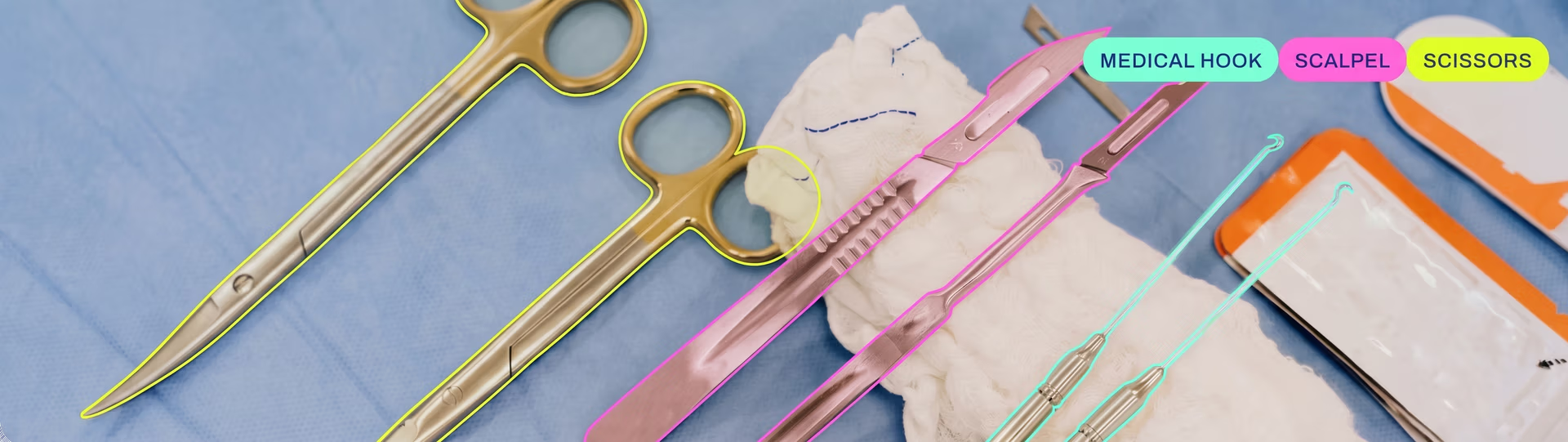
Fig 1. Ultralytics YOLOv8 model segmenting and identifying surgical tools in an image for enhanced medical analysis.
In document authentication, instance segmentation can isolate text blocks, signatures, images, and security features like watermarks. This allows AI to closely examine each element for discrepancies such as altered texts or fonts and mismatched signatures, enhancing the detection of alterations. The use of image segmentation in document security can play a pivotal role in ensuring the authenticity and security of documents across various industries.
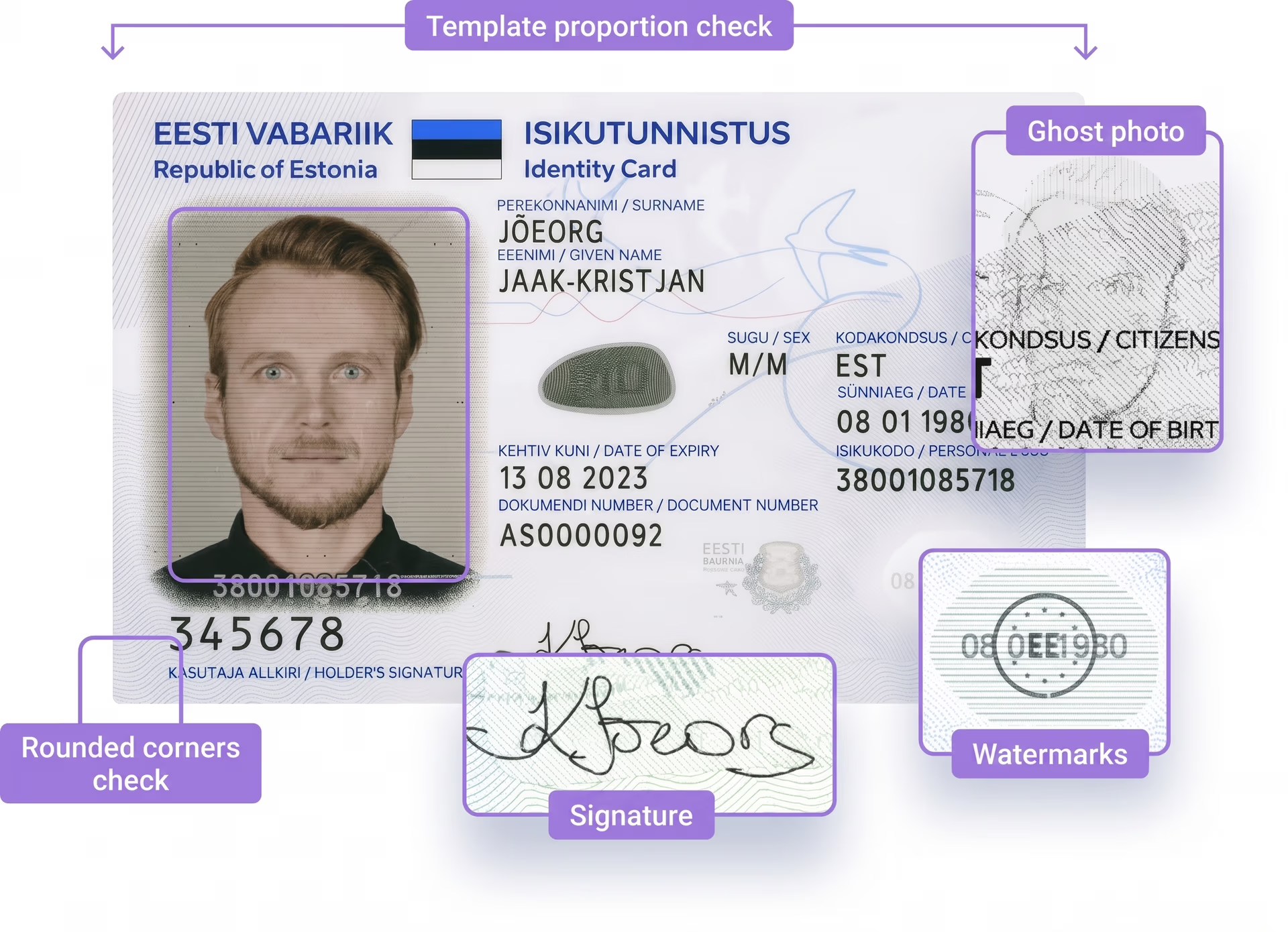
Fig 2. Image segmentation isolating and analyzing key features from an identity card.
How AI-based image segmentation works in document authentication#
AI-based image segmentation involves three key steps, beginning with image preprocessing and concluding with forgery detection.
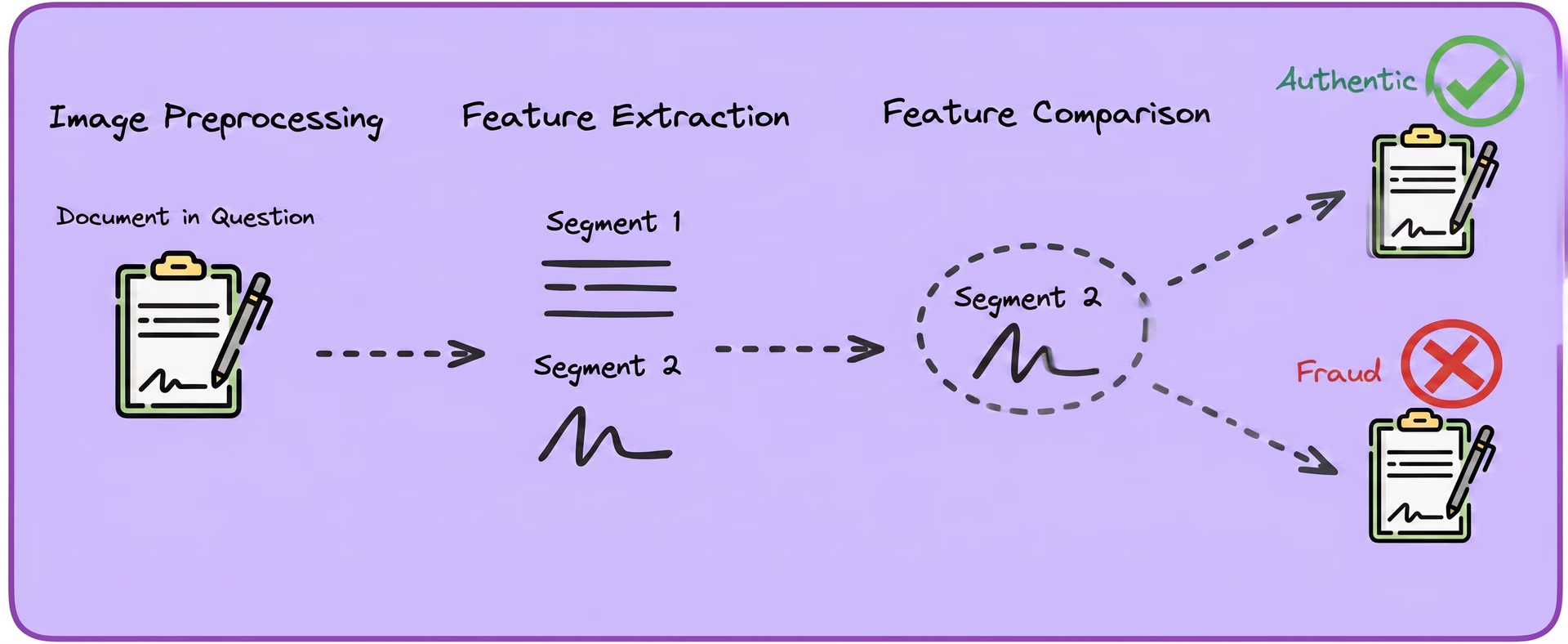
Fig 3. A diagram illustrating the AI-driven process of document authentication. (Image By Author)
1. Image preprocessing#
The first step in AI-based document authentication is getting a clear digital image of the document. This can be done by scanning, taking a photo, or receiving digital copies directly. The quality of the image is very important, as it forms the base for all further analysis.
Implementing an image classification process to identify different types of documents—such as passports, ID cards, and financial records—is streamlining the authentication procedure. For instance, companies such as Regula assess the presence of security features like MRZ, barcodes, and RFID chips, allowing for the automatic identification of the submitted document type. This allows for tailored verification methods to be applied to each document type, ensuring that specific features are authenticated using the most appropriate techniques. As a result, the overall verification process becomes smoother and more efficient.
Computer vision models like Ultralytics YOLOv8 can be trained for different tasks. For instance, to remove the background imagery around a specific document to better identify the document’s boundaries. The model may also be trained to detect and recognize if a document is not in the correct orientation (e.g., upside down or sideways) by analyzing its features such as text blocks or logos that indicate a typical upright position.
2. Feature extraction (segmentation)#
Once the document image is processed, AI tools such as YOLOv8 can be trained to divide documents into meaningful parts. For instance, in the case of document layout detection, YOLOv8 is capable of efficiently segmenting documents into distinct sections like headers, footers, and text blocks.
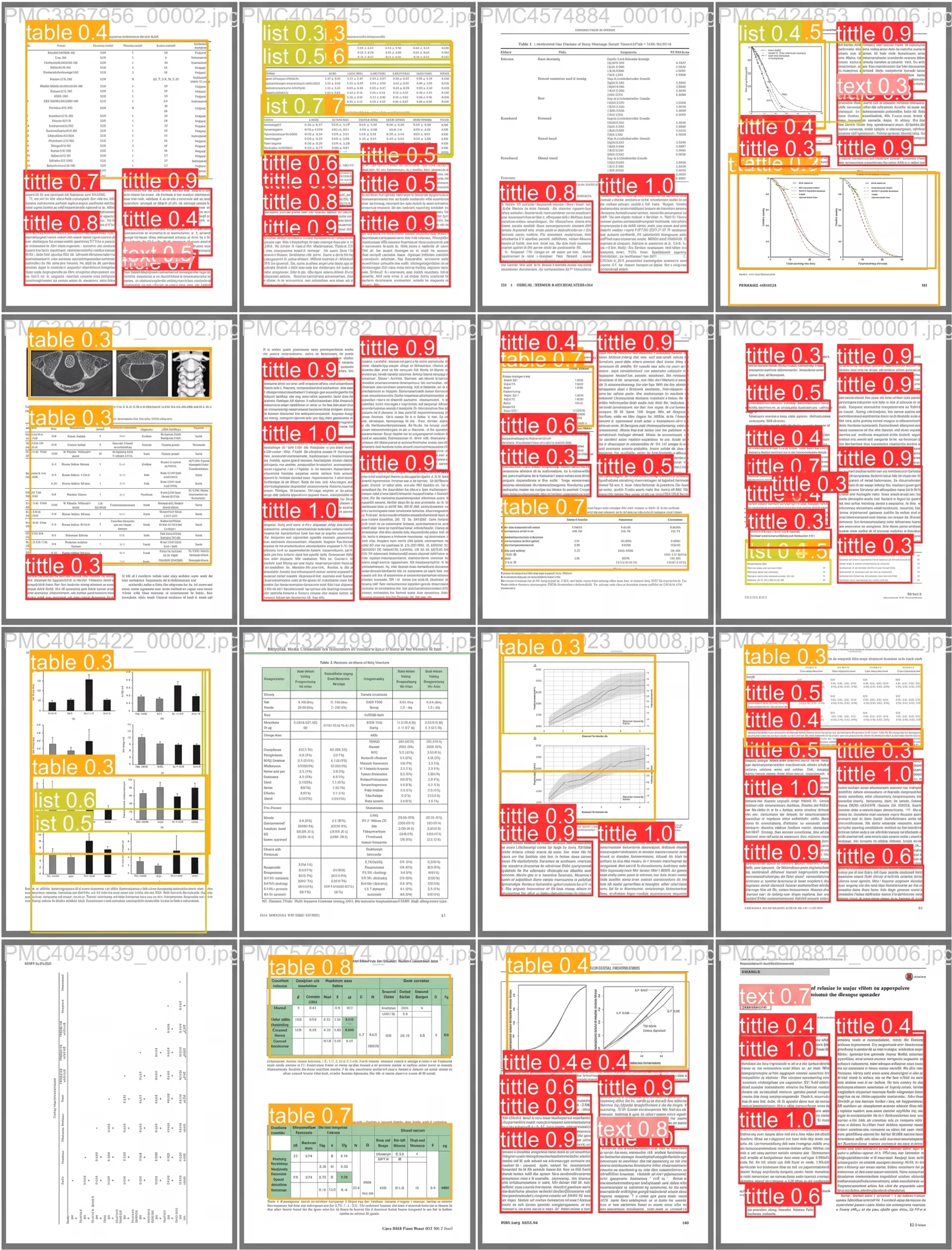
Fig 4. YOLOv8 model segmenting documents into different sections.
In the case of document authentication, segmentation tools are first required to isolate important components such as signatures, security stamps, and text blocks for closer analysis. This segmentation allows the system to detect potential tampering or inconsistencies with greater accuracy, streamlining the document verification process. By breaking documents into distinct elements, AI models can ensure precise identification of tampered areas, improving both the speed and reliability of authentication.
During the feature extraction phase, Ultralytics YOLOv8 can be trained to identify specific document elements such as signatures, seals, and text. It can distinguish between these components and extracts them for further processing.
For example, YOLOv8 can be trained using Ultralytics' signature dataset to detect and extract given signatures, ensuring accurate signature authentication. This dataset contains pre-labeled handwritten signature images, allowing the model to recognize signature patterns such as the distinct shapes of cursive writing. One of the key patterns the model can learn is that signatures are typically human-written, with unique flow and inconsistencies that differentiate them from machine-generated text.
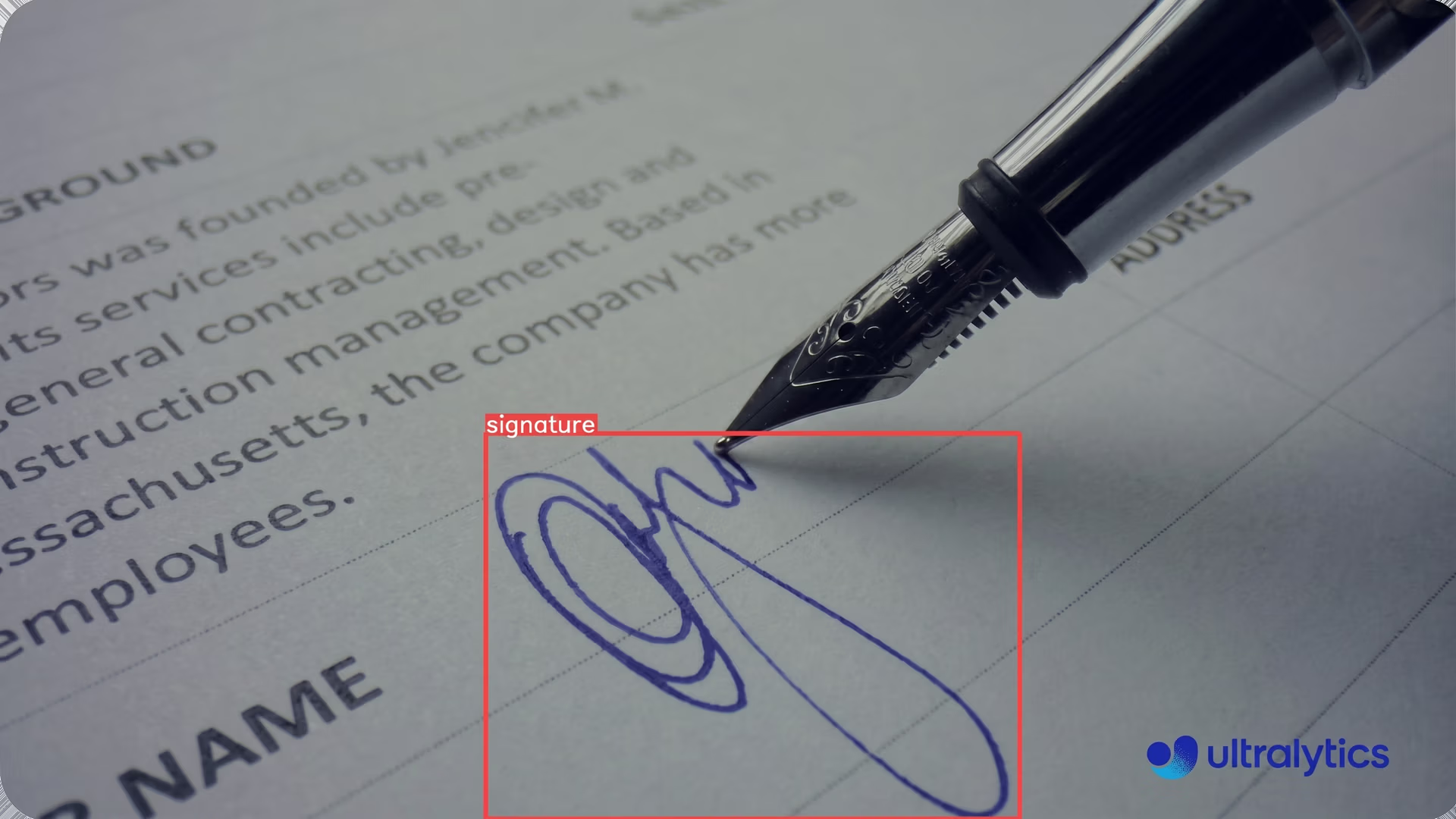
Fig 5. Ultralytics YOLOv8 model detecting signature regions within a document for precise authentication.
Similar features, such as seals, stamps, images, and watermarks, can be extracted in the same way. By training Ultralytics YOLOv8 on specific datasets for each feature type, the model enhances detection performance, enabling detailed and accurate analysis of document components.
3. Forgery detection (feature comparison)#
The last step in this process is forgery detection. At this stage, AI systems analyze the document for subtle irregularities, such as variations in ink, mismatched signatures, fake personal data by comparing them against reference data.
Such computer vision models are trained on labeled datasets containing both authentic and forged documents. For instance, authentic documents having consistent ink patterns, text format, image placement, and tampered documents showing slight differences in color, intensity, image position, or even ink flow.
Similar approaches are followed comparing the integrity and placement of watermarks or other embedded security features. Deviations in the position, size, or transparency of these features can be a strong indicator of forgery. Even slight misalignments or font mismatches can indicate forgery, ensuring thorough and accurate document verification.
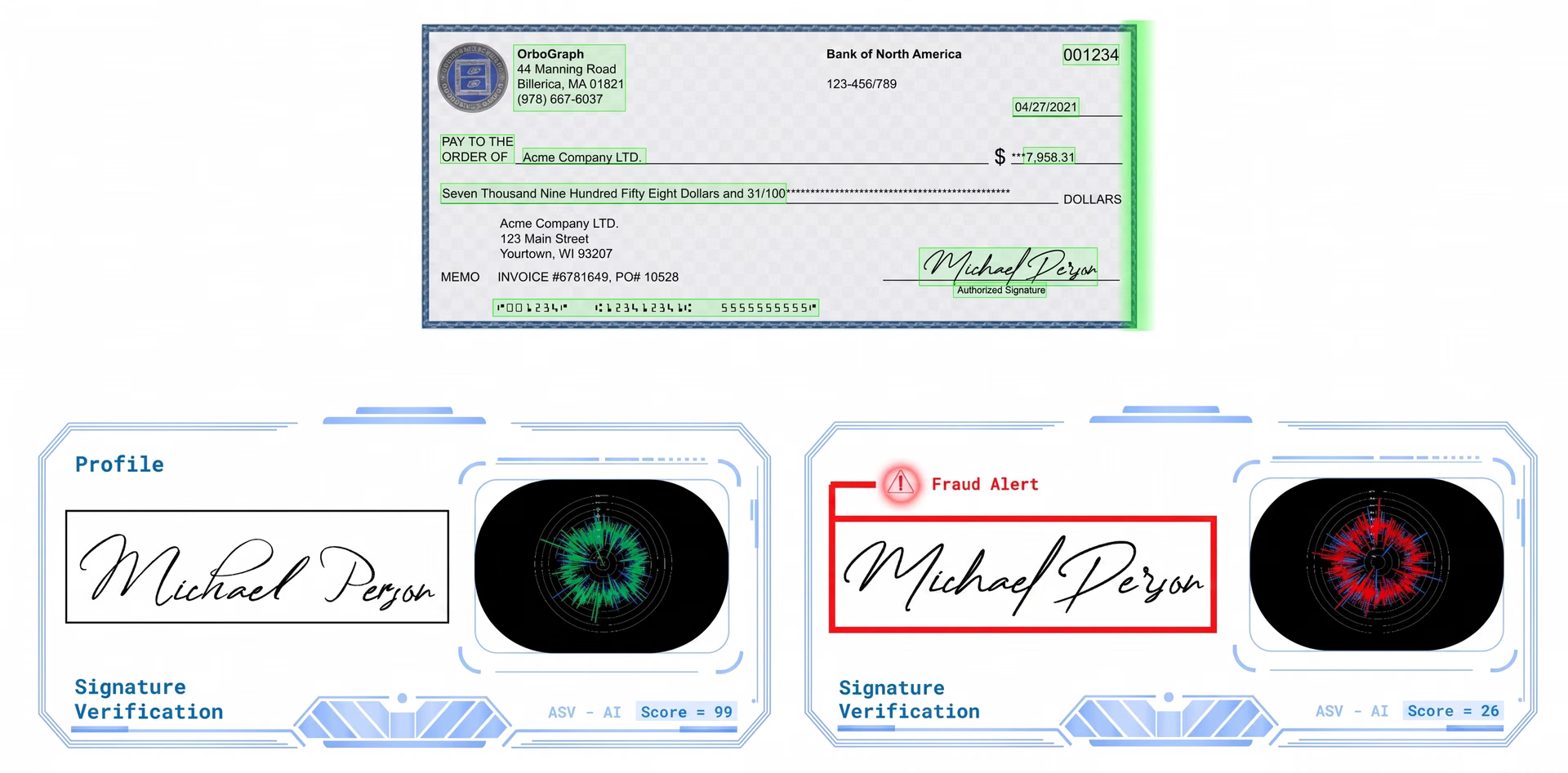
Fig 6. AI Signature Fraud Detection.
AI then assigns confidence scores to different parts of the document based on the likelihood of authenticity. Any anomalies may trigger further human review to ensure document integrity and verify the findings.
Uses of AI in document authentication across multiple industries#
AI-driven image segmentation can change the way various industries authenticate and verify critical documents. From banking to government services, this technology can play a role in enhancing security, preventing fraud, and streamlining processes across multiple sectors.
Let’s take a look at some examples of how AI is being utilized in different industries for document authentication.
Banking and financial services#
In the banking and financial services sector, AI-driven image segmentation is used to authenticate various documents such as checks, loan agreements, and financial statements. By accurately detecting any signs of tampering or forgery, AI can help prevent fraud and ensure the integrity of critical financial transactions.
Stripe uses its Stripe Identity platform, which employs AI-powered tools to verify customer identities by comparing ID documents with live facial images. This system enhances transaction security, ensures compliance with KYC more commonly known as the Know Your Customer regulations, and reduces fraud risks during the onboarding process.
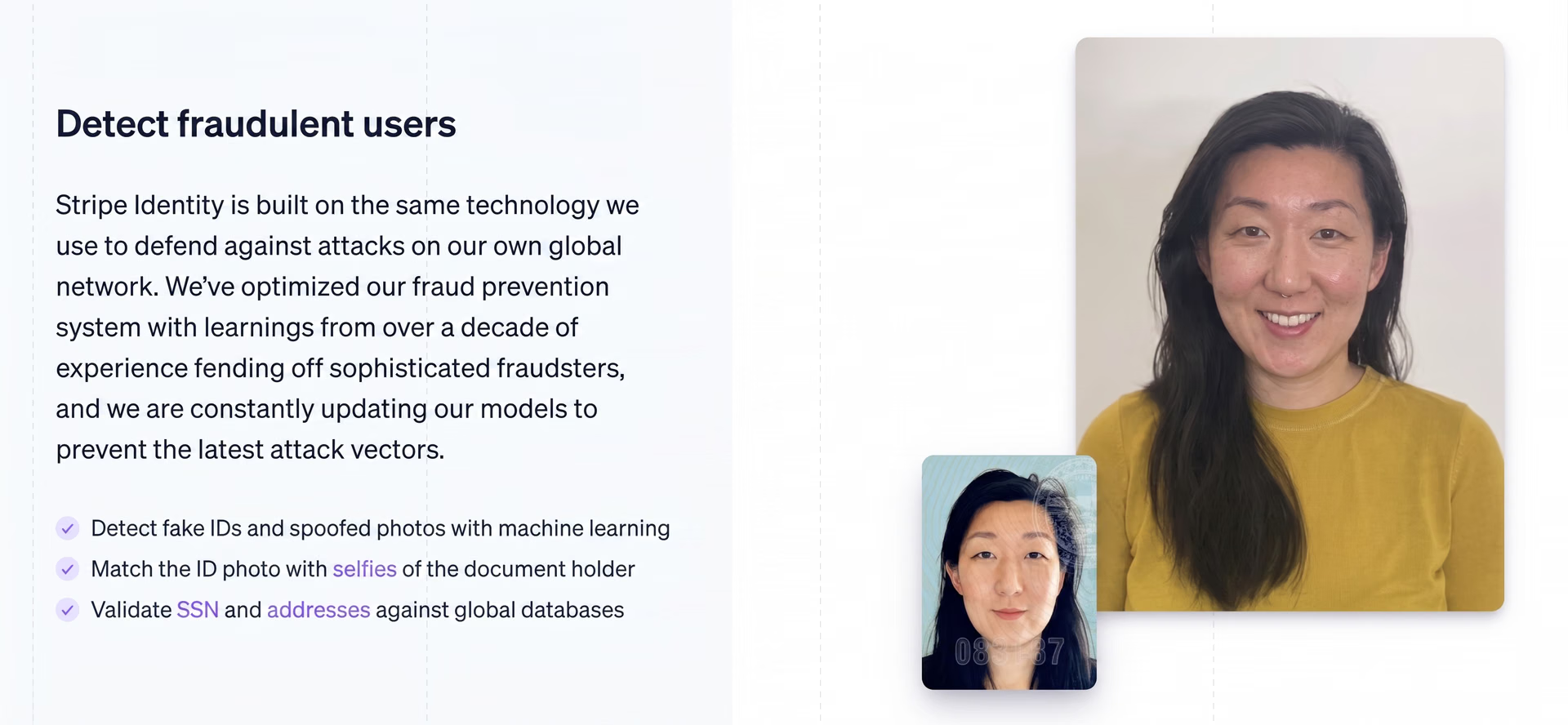
Fig 7. Stripe's AI-powered system detecting fraudulent users by comparing ID document images with live facial scans.
Moreover, computer vision models can be used in order to detect tampering in important documents, verifying signatures on checks, and detecting alterations in loan documents, significantly reducing the risk of financial fraud and speeding up document verification with AI.
Government and legal documents#
AI-based image segmentation plays an important role in the government sector by ensuring the authenticity of passports, national IDs, visas, and other official documents. Computer vision models can help prevent identity theft, unauthorized border crossings, and the use of counterfeit documents.
For instance, U.S. Customs and Border Protection (CBP) has deployed facial recognition technology at multiple airports to verify travelers' identities by comparing their faces with their travel documents. These models are capable of detecting forgeries and tampering by identifying inconsistencies in the original document layout, such as altered fonts or misaligned text, which could indicate tampering.
Some companies do specialize in AI-driven document verification tools, detecting inconsistencies in various official documents. Such a tool verifies documents like passports, ID cards, and driver’s licenses by analyzing embedded security features. This ensures that the document is authentic and has not been altered, enhancing both onboarding and security processes for businesses and government agencies.
The ability to authenticate documents quickly and accurately can therefore result in enhanced national security while streamlining border control processes.
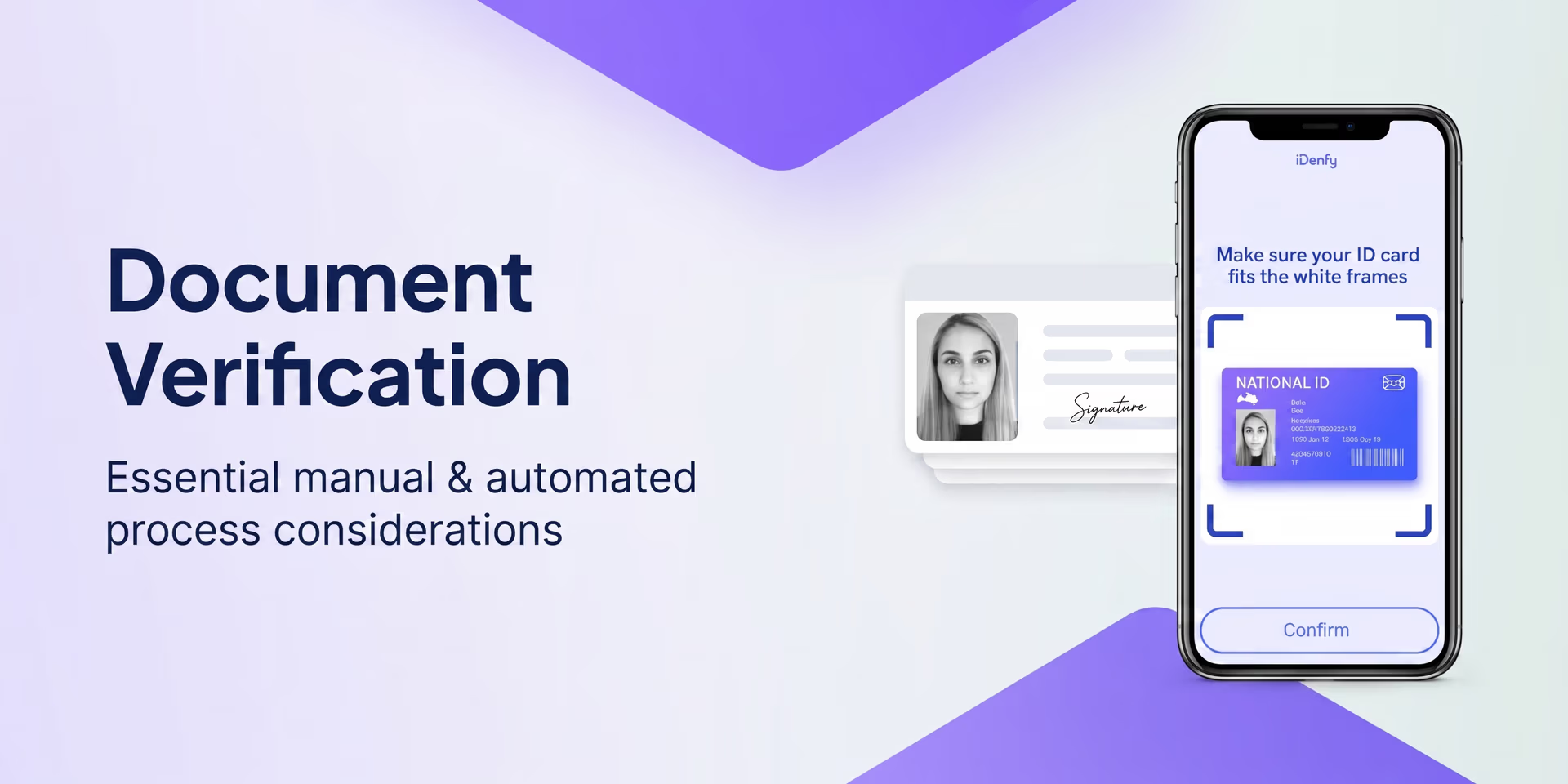
Fig 8. Example of National ID Document Verification.
Benefits of AI-based document verification systems#
The integration of computer vision in document authentication offers many advantages, making the process more efficient, accurate, and adaptable. These benefits are helping organizations across various industries enhance security and streamline their document verification procedures. Here are some of the key benefits of using AI in this context.
Multi-Language Document Verification#
AI-based systems can be trained to analyze and authenticate documents in multiple languages. This is particularly useful for international organizations or border control agencies, where document verification needs to be conducted in various languages. AI models can be trained on multilingual datasets, ensuring the system can handle documents from different regions efficiently.
For instance, in manual document verification, an officer at a border control station might encounter a passport written in a language they do not understand. Without knowledge of the language, the officer could miss critical details or struggle to verify the document's authenticity. By contrast, an AI system equipped with multilingual capabilities could automatically process the document, extract key information, and verify its authenticity, removing the potential for human error due to language barriers.
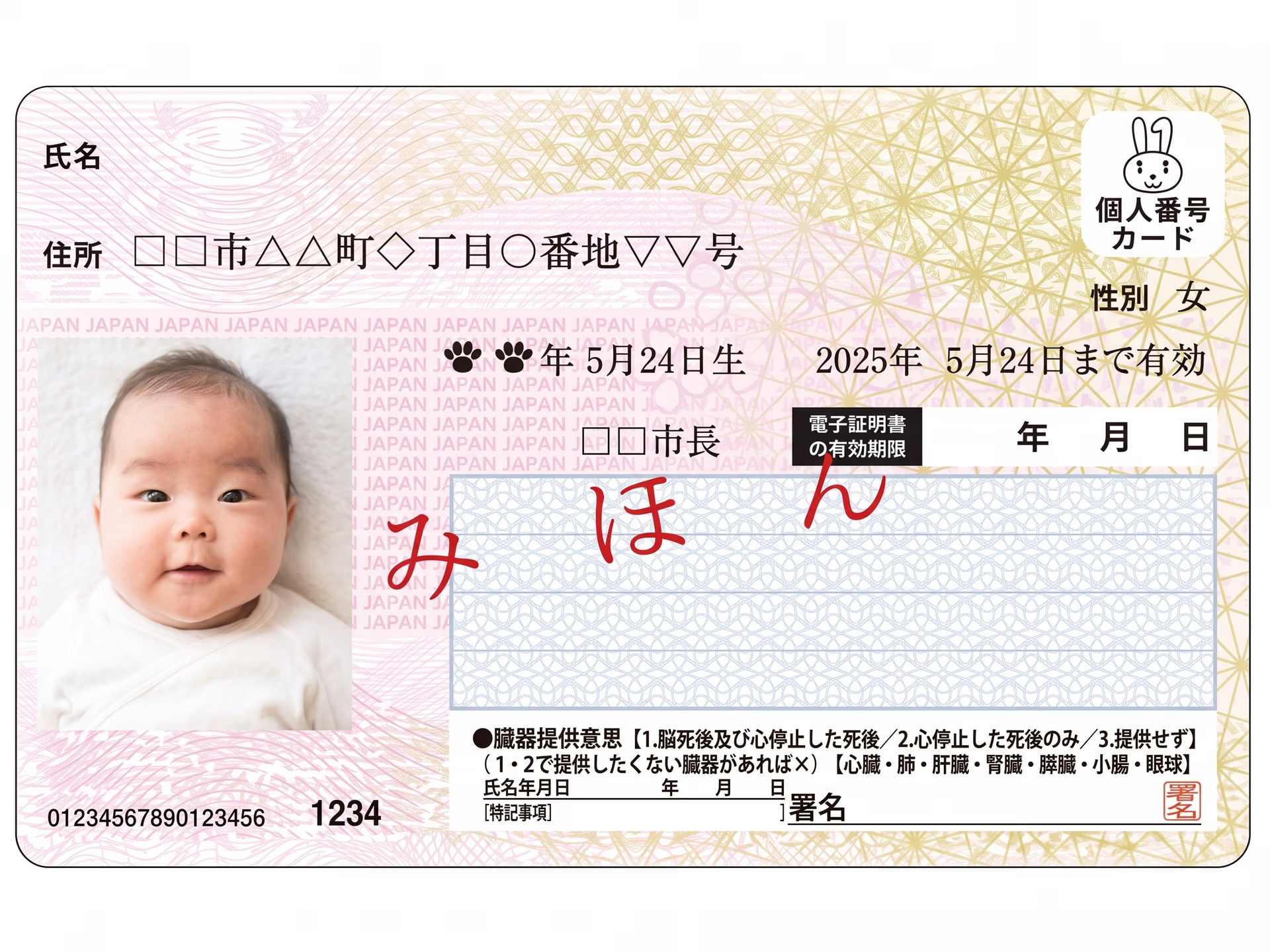
Fig 9. A Japanese My Number Card.
Real-time fraud prevention alerts#
By leveraging AI, document verification systems can provide instant fraud alerts as soon as suspicious elements are detected. This real-time detection allows businesses to stop fraudulent activities before they escalate. For instance, financial institutions or border control agencies can instantly flag tampered documents, preventing further processes and reducing risks.
Scalability and adaptability#
AI document verification systems are highly scalable and can handle large volumes of documents, making them suitable for use in various industries and processing a vast amount of data. AI can also adapt to different types of documents and evolving forgery techniques, ensuring that the authentication process remains robust and effective as new challenges emerge.
Challenges in AI document authentication#
While AI-driven image segmentation offers significant advantages in document authentication, it also presents several challenges and limitations. Addressing these factors is crucial for ensuring the reliability and effectiveness of AI systems in this field. Below are some of the main challenges and limitations associated with AI-based document authentication.
Extensive data requirements#
A significant challenge in deploying AI-based image analysis for document authentication is the need for large, diverse datasets. AI models require substantial amounts of high-quality data for training. In the context of document authentication, this means gathering a wide array of both authentic and tampered documents across various formats and qualities.
One of the biggest challenges when training a machine learning field lies in acquiring enough representative data to train models capable of accurately generalizing across different document types and detecting even subtle tampering.
Risk of false positives and negatives#
AI systems, while effective, are not immune to errors. False positives occur when a legitimate document is incorrectly flagged as tampered, while false negatives can happen when a tampered document is mistakenly classified as authentic.
These errors can lead to various consequences, such as processing delays, unjustified rejections, or security breaches. Minimizing these errors is a critical challenge, especially when dealing with complex cases or sophisticated forgeries.
Ethical and privacy considerations#
The use of AI in document authentication introduces important ethical and privacy concerns. These systems often process sensitive personal information, raising questions about data handling, storage, and protection.
Ensuring compliance with data protection laws, such as GDPR or HIPAA, is essential to avoid legal and ethical considerations. Additionally, the potential for bias in AI models—where certain document types or formats may be unfairly treated due to training data limitations—requires careful consideration during model development.
Key takeaways#
AI-driven image segmentation is changing the way document authentication works by making the verification process more accurate, faster, and reliable. With it being adopted across industries such as banking, government, and corporate sectors, to fight fraud and ensure the authenticity of documents.
Although the benefits are substantial, there are still challenges like the need for large amounts of data, possible errors, ethical considerations, and technical difficulties. These challenges must be addressed to make the systems as effective as possible. As AI continues to advance, document authentication is expected to evolve with even more advanced, real-time solutions that will improve security and make processes smoother.
At Ultralytics, we're committed to advancing AI technology to new heights. Check out our latest breakthroughs and innovative solutions by visiting our GitHub repository. Engage with our vibrant community and see how we're revolutionizing industries such as self-driving cars and manufacturing! 🚀








