Computer vision for smarter lab workflows
Explore how computer vision can enhance laboratory efficiency, from equipment detection to safety monitoring and microscopic analysis.
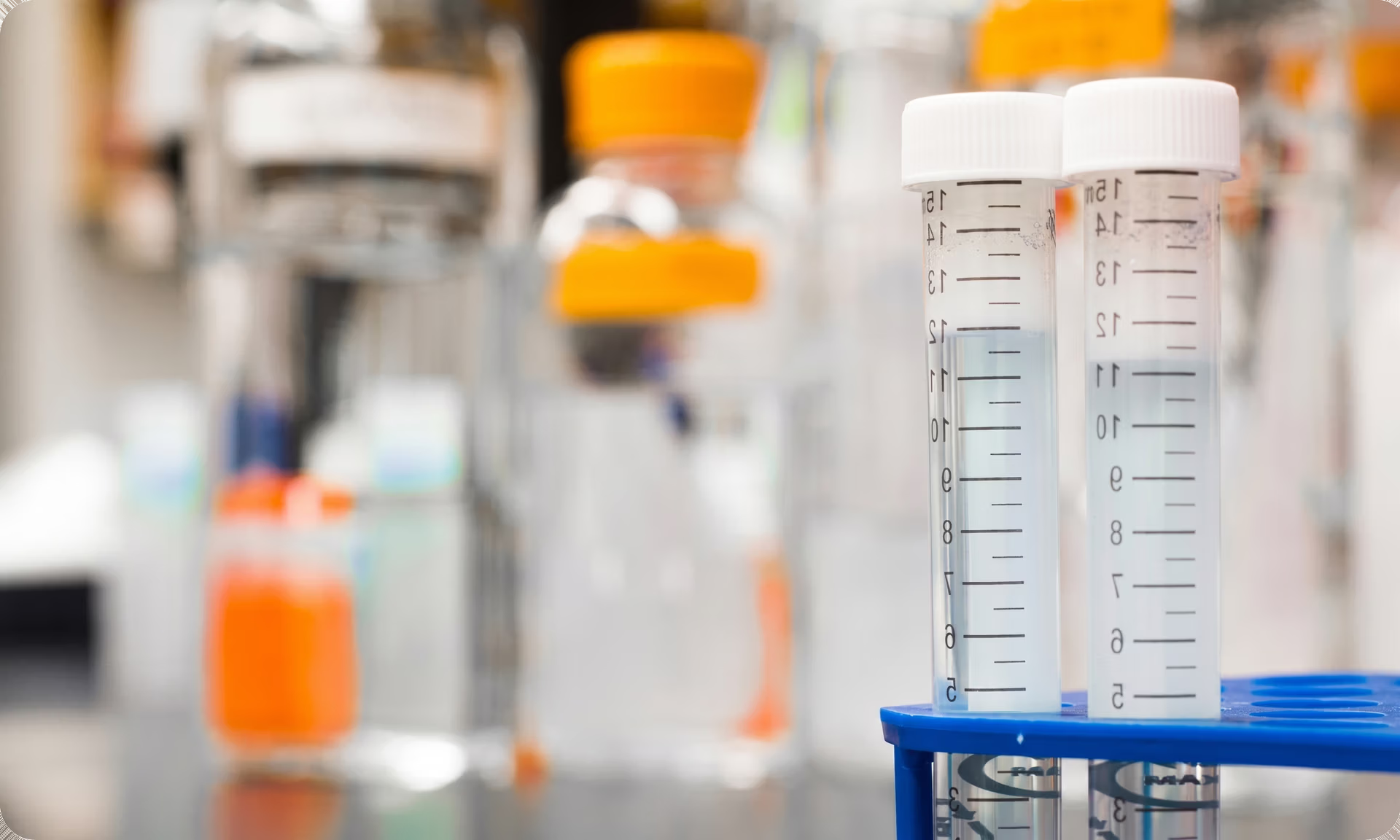
Laboratory environments rely on precision, safety, and efficiency to conduct research, analyze samples, and maintain quality standards. However, challenges such as human error, equipment misplacement, and safety hazards can impact productivity and research integrity.
Artificial intelligence (AI) is increasingly being integrated into laboratory environments to enhance efficiency, accuracy, and safety. A 2024 survey revealed that 68% of laboratory professionals now utilize AI in their work, marking a 14% increase from the previous year. This growing adoption underscores AI's potential to address various challenges in lab settings.
Computer vision models like Ultralytics YOLO11 can help automate lab processes, improve safety monitoring, and enhance data collection. From detecting laboratory equipment and monitoring personal protective equipment (PPE) compliance to identifying microscopic cells and potential hazards, computer vision can support modern lab operations. By integrating real-time object detection and analysis, computer vision systems can assist researchers, laboratory technicians, and safety officers in optimizing workflows and ensuring compliance with safety protocols.
In this article, we’ll explore the challenges faced in laboratory environments, how computer vision models can improve lab efficiency and real-world applications of AI-powered vision systems in research and industrial labs.
Challenges in lab environments#
Despite advancements in laboratory automation, several challenges can affect research accuracy, workflow efficiency, and safety compliance.
- Human error and equipment misplacement: Misidentification of lab equipment, misplaced samples, and procedural errors can lead to delays and inconsistent results.
- Safety risks: Labs handling hazardous materials require strict safety monitoring to prevent accidents, such as chemical spills or fires.
- PPE compliance: Ensuring that lab personnel consistently wear required safety gear, such as masks and gloves, is crucial for maintaining a safe working environment.
- Microscopic sample analysis: Identifying and classifying cells, bacteria, and chemical compositions in microscopic images is time-intensive and requires high accuracy.
Addressing these challenges requires efficient and scalable solutions. Computer vision can assist in automating lab operations and improving accuracy in routine procedures.
How to use computer vision in lab environments#
Computer vision can be applied to laboratory settings in multiple ways, from tracking equipment usage to detecting hazardous incidents. By training and deploying models like Ultralytics YOLO11, labs can integrate AI-powered detection systems into their workflows, enhancing efficiency and safety.
Training Ultralytics YOLO11 for lab environments#
Custom-training Ultralytics YOLO11 for lab-specific tasks can optimize its performance for laboratory applications. The process typically involves:
- Data collection: Labs collect images of various laboratory tools, PPE usage, and sample slides for training datasets.
- Data annotation: Images are labeled with bounding boxes, identifying items such as “test tube,” “pipette,” or “chemical spill.”
- Model training: Ultralytics YOLO11 is trained using these datasets to recognize and classify lab-related objects and incidents.
- Validation and testing: The trained model is tested on additional datasets to evaluate its accuracy before deployment.
- Deployment on lab cameras: Once validated, the model can be integrated into surveillance systems or lab monitoring tools to provide real-time insights.
By training Ultralytics YOLO11 on laboratory-specific datasets, research facilities, and industrial labs can introduce AI-powered vision systems to enhance monitoring and process automation.
Real-world applications of computer vision in laboratory settings#
Now that we looked at how vision AI can play a role in this industry, you might be wondering - how can computer vision enhance lab operations? By enabling real-time monitoring, safety compliance, and precision analysis, vision AI can shape smarter laboratory workflows. Let’s explore its real-world applications.
Detecting and classifying laboratory equipment#
Efficient management of laboratory equipment is crucial for maintaining productivity and ensuring accurate experimental results. However, manual tracking of instruments can be labor-intensive and prone to errors, leading to misplaced or malfunctioning equipment. Mismanagement can result in delays, incorrect experiment setups, and unnecessary equipment purchases, affecting both research quality and operational efficiency.
Computer vision models can be trained to detect, classify, and count laboratory instruments in real time. By analyzing video feeds from cameras, these models can identify equipment and detect any signs of wear or damage. For example, a vision AI system can identify and label lab equipment such as Erlenmeyer flasks, pipettes, and centrifuges, ensuring proper organization and reducing errors in experimental setups.
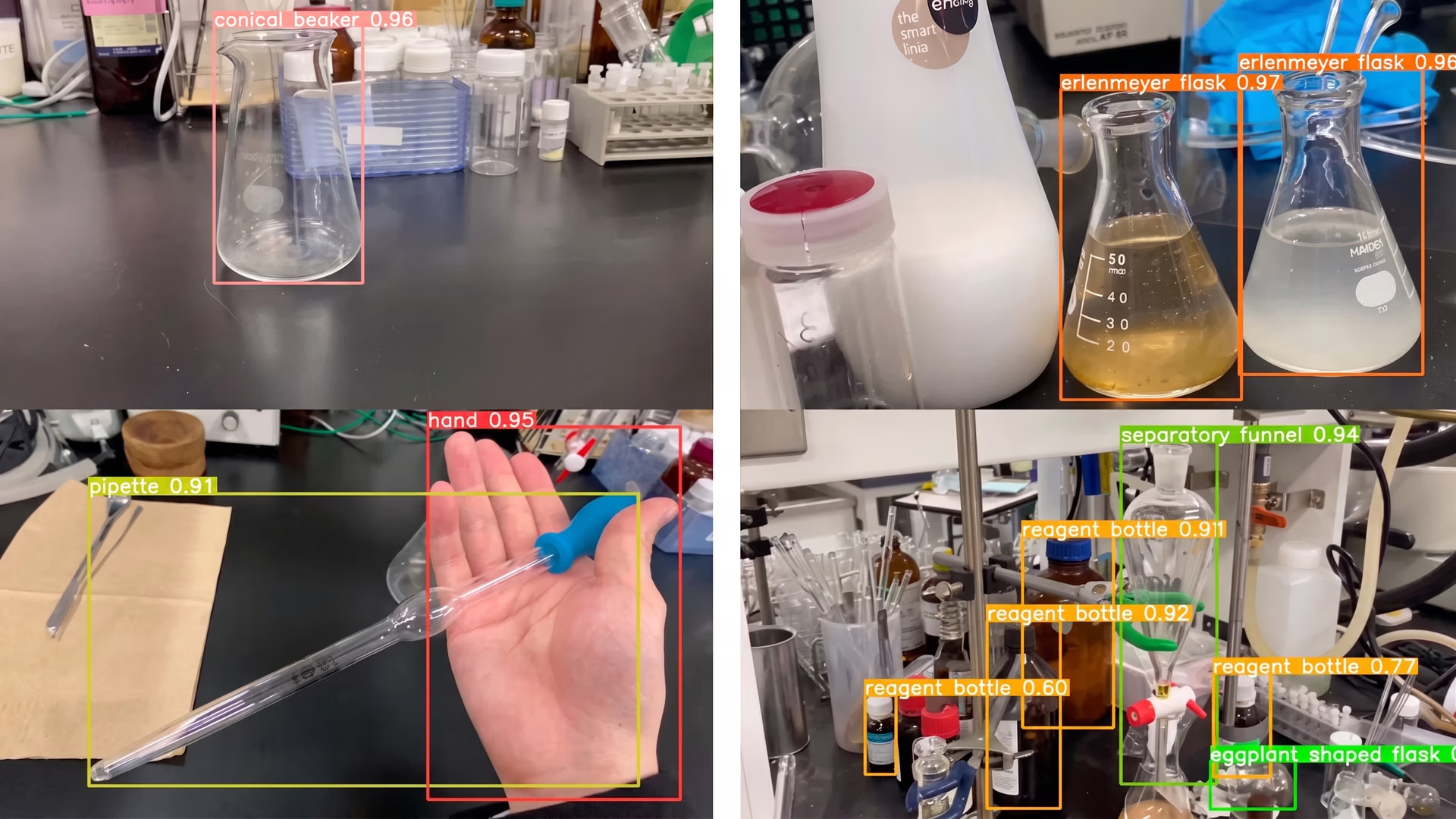
Fig 1. Computer vision detects various laboratory instruments.
Beyond inventory management, AI-powered equipment monitoring can also enhance laboratory training. New personnel can receive automated guidance on instrument identification, handling, and maintenance procedures through visual cues and real-time feedback. This approach fosters a more efficient and structured learning environment, reducing the risk of equipment misuse while improving overall laboratory productivity.
Identifying and classifying cells in microscopic images#
Accurate microscopic analysis is fundamental in medical diagnostics, pharmaceutical research, and biological studies. However, traditional cell identification methods rely on manual observation, which is time-consuming and requires a high level of expertise. In high-throughput settings such as research institutions and clinical laboratories, the demand for rapid and precise sample analysis continues to grow, necessitating automated solutions.
Models like Ultralytics YOLO11 can be trained to detect and classify different blood cell types within microscopic images, streamlining the analysis process. By processing high-resolution images, YOLO11 can identify key morphological differences between various cell types, such as red blood cells, white blood cells, and platelets. This capability enhances laboratory efficiency by reducing the need for manual classification while improving accuracy in hematology research and diagnostics.
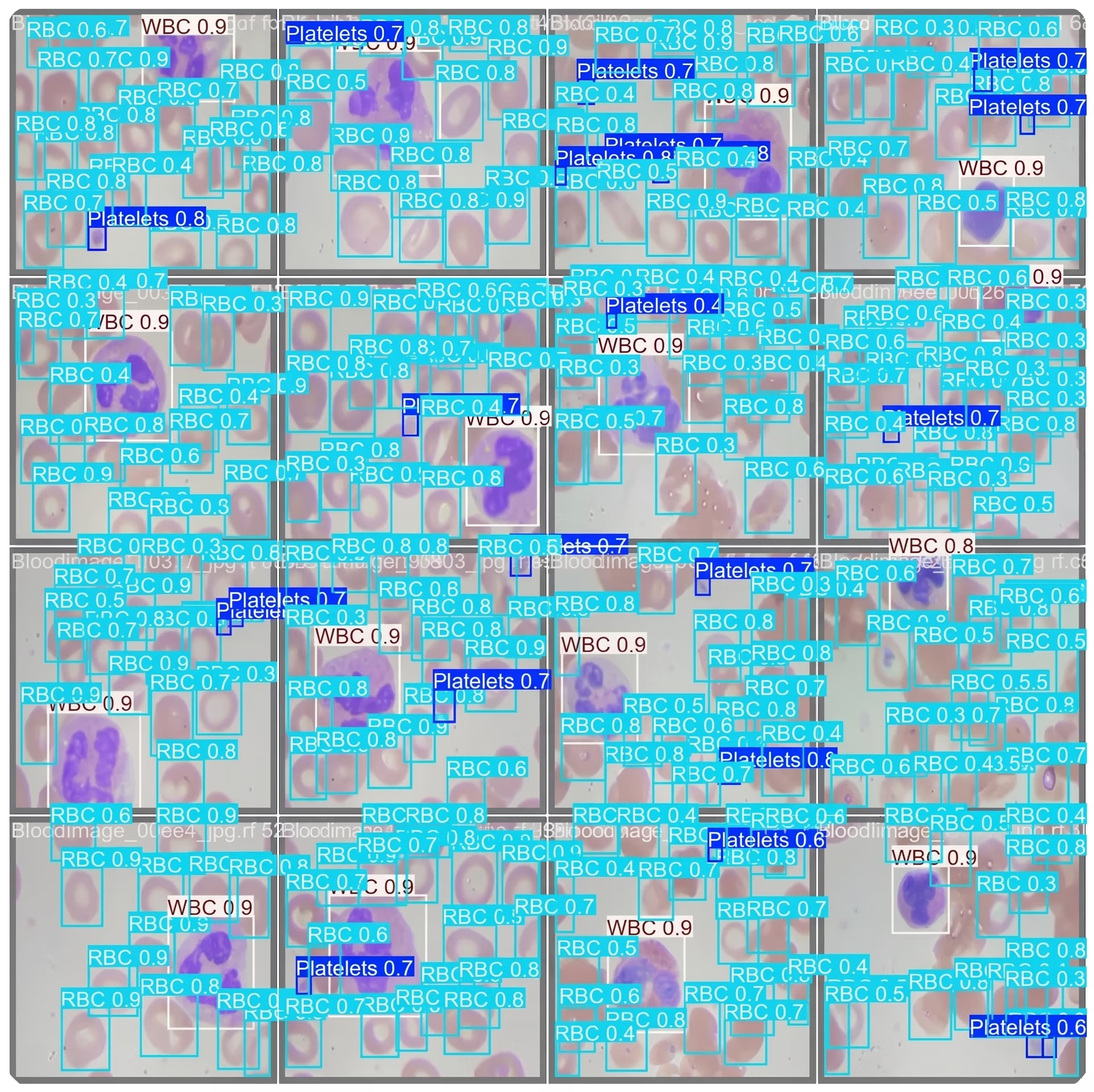
Fig 2. Ultralytics YOLO11 identifies and classifies different blood cell types in microscopic images.
Automating blood cell classification using AI can minimize human error and streamline workflows, allowing researchers to analyze larger datasets with greater consistency. This can result as particularly beneficial in applications such as disease detection, where identifying abnormalities in blood cell structures can support early diagnosis of conditions. By integrating AI-powered microscopic analysis, laboratories can improve research efficiency and enhance the precision of diagnostic evaluations.
Monitoring PPE compliance in laboratory settings#
Maintaining strict personal protective equipment (PPE) compliance is essential for laboratory safety, especially when working with hazardous chemicals, infectious agents, or high-precision instruments. However, enforcing PPE policies manually can be challenging, as compliance checks are often inconsistent, leaving gaps in enforcement that can increase the risk of accidents or contamination.
Computer vision models can monitor PPE compliance in real-time, ensuring that laboratory personnel adheres to safety protocols. Vision AI-powered camera systems can detect masks along with other essential protective gear, such as lab coats and gloves, ensuring compliance with laboratory safety protocols.
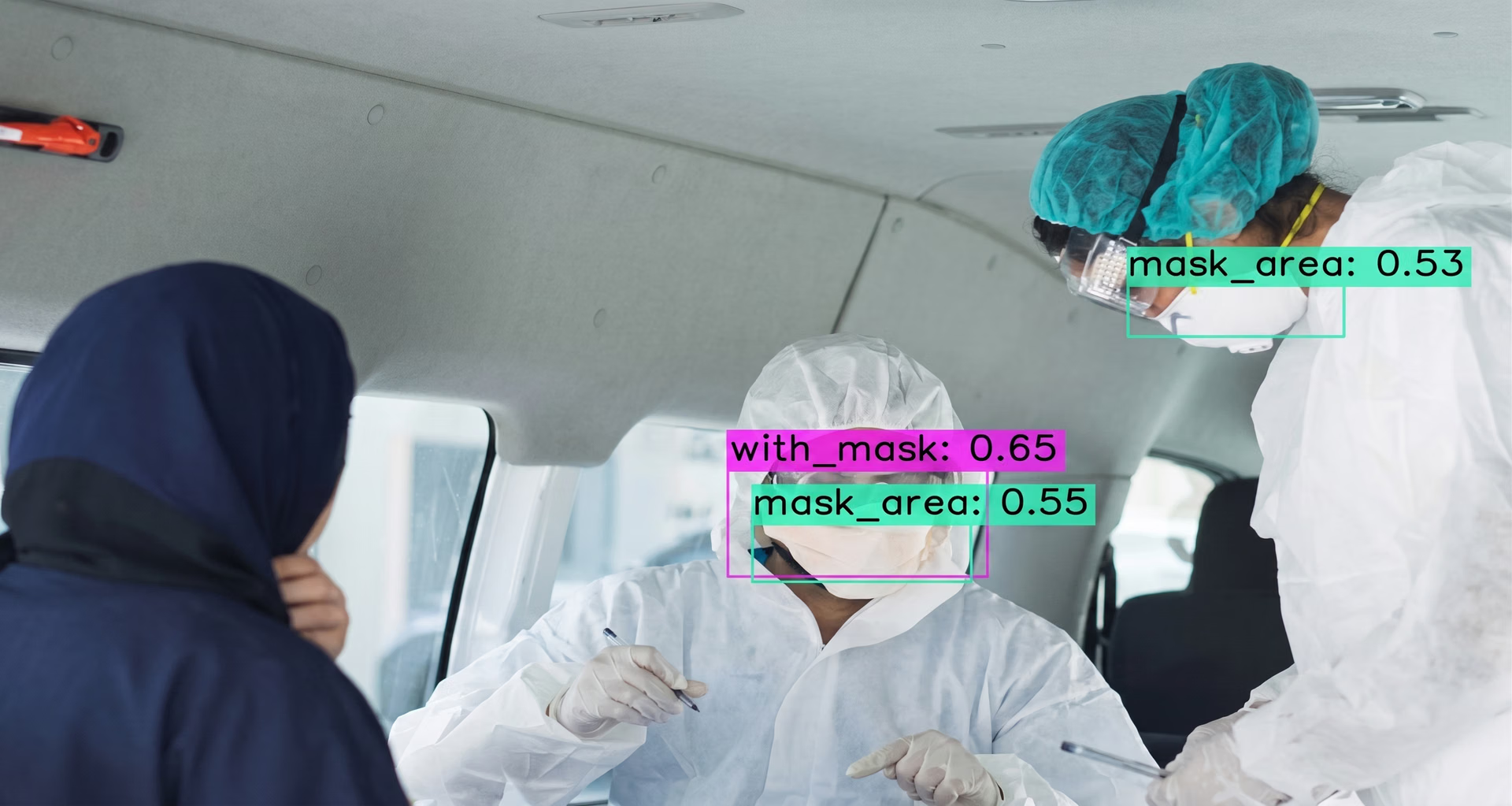
Fig 3. Computer vision model detects mask compliance ensuring PPE adherence.
For instance, in biosafety labs where mask-wearing is mandatory, supervisors can use cameras equipped with computer vision models to identify non-compliance and take corrective action. This automated monitoring system not only enhances laboratory safety but also supports regulatory compliance. Many laboratories must adhere to strict safety standards, and integrating AI-powered PPE detection ensures consistent enforcement of protocols.
Detecting laboratory hazards#
Laboratories often handle flammable substances, corrosive chemicals, and high-temperature equipment, increasing the risk of fires and hazardous spills. Quick identification and response are crucial to preventing damage, ensuring personnel safety, and maintaining regulatory compliance. Traditional monitoring methods rely on human intervention, which may not always be fast enough to mitigate risks effectively.
New research features YOLO11 models and how they can be trained to detect potential dangers like fires caused by volatile chemicals or electrical faults, by analyzing visual cues in real time. AI-powered systems can classify fire types such as Class A (ordinary combustibles), Class B (flammable liquids), or Class C (electrical fires) which help emergency responders deploy the correct extinguishing agents. Additionally, vision AI can detect chemical spills by identifying irregularities on laboratory surfaces, such as unexpected liquid pooling or smoke emissions.
By integrating hazard detection with laboratory safety protocols, real-time alerts can be issued to laboratory personnel and safety officers, enabling immediate intervention. This AI-driven approach not only minimizes damage but also enhances compliance with safety regulations, reducing risks in high-stakes laboratory environments. Through automated fire and spill detection, computer vision systems play a critical role in maintaining a safe and controlled research setting.
Future opportunities for computer vision in labs#
As AI-powered vision systems continue to advance, new opportunities for improving laboratory efficiency and safety may emerge. Some potential future applications include:
- AI-driven quality control: Computer vision could automate lab sample verification, ensuring research consistency.
- Augmented reality (AR) for lab training: AI-powered AR systems could assist new lab personnel in identifying equipment and following lab protocols.
- Automated contamination detection: AI could be used to detect waste and contamination in labs, enhancing accuracy.
By continuously refining computer vision models, laboratories can explore new ways to improve accuracy, safety, and operational efficiency in research environments.
Key takeaways#
As laboratory environments become more complex, computer vision models like Ultralytics YOLO11 can assist in automating equipment detection, improving safety monitoring, and enhancing research workflows. By leveraging AI-powered object detection and classification, labs can reduce manual errors, enforce PPE compliance, and improve incident response times.
Whether it’s classifying lab equipment, analyzing microscopic samples, or monitoring hazards, vision AI can provide valuable insights to laboratory personnel and research institutions.
To learn more, visit our GitHub repository and engage with our community. Discover how YOLO models are driving advancements across industries, from manufacturing to healthcare. Check out our licensing options to begin your vision AI projects today.








