Cognitive Debt
Cognitive debt is the gap between AI-assisted output and human understanding, weakening recall, verification, and teams' ability to adapt work.
Cognitive debt is the accumulated gap between the work people complete with AI and the understanding they develop while completing it. When someone accepts an answer, essay, or code change without working through its reasoning, they save effort immediately and leave learning or verification unfinished. The "debt" becomes apparent when they need to explain the result, identify an error, or adapt the work independently.
John V Willshire articulated this AI-focused meaning in April 2025 and expanded it in his original explanation of cognitive debt that May. He described the organizational cost of obtaining answers while skipping the thinking needed to understand them, extending the metaphor of technical debt associated with Ward Cunningham.
How Cognitive Debt Accumulates#
Generative AI makes polished outputs available before users have developed the knowledge needed to evaluate them. A large language model (LLM) can supply an explanation or implementation, while the user's understanding remains incomplete. Repeated delegation leaves fewer opportunities to practice recalling information, constructing arguments, and diagnosing mistakes. Cognitive debt therefore concerns the human capabilities needed to supervise the work AI produces.
In software teams, the gap also affects shared understanding: who knows why a component exists, how its dependencies interact, and what a change will affect. Margaret-Anne Storey described a student development team that reached this point during an entrepreneurship course. By weeks seven or eight, even simple changes caused unexpected breakage, and team members could no longer explain important design decisions. Their fragmented understanding made further development difficult.
Cognitive Debt and Related Concepts#
Several related terms describe different parts of this problem:
- Cognitive offloading: Moving mental work to an external resource, including notes, search engines, or AI. Cognitive debt describes the understanding left undeveloped when that delegation displaces learning.
- Technical debt: Future maintenance work associated with expedient design or implementation choices. Cognitive debt concerns people's understanding of the system and their ability to change it.
- Skill atrophy: Deterioration of an existing ability through reduced practice. Cognitive debt also includes knowledge someone never acquired while completing AI-assisted work.
In agentic coding and vibe coding, these distinctions help separate the amount of software produced from the comprehension needed to maintain it. In broader workplace usage, the phrase also covers accumulated understanding gaps caused by undocumented decisions.
Where Cognitive Debt Appears#
AI-assisted writing provides a direct example. Nataliya Kosmyna and colleagues used the term in their June 2025 paper, Your Brain on ChatGPT. Fifty-four participants completed three essay-writing sessions using an LLM, a search engine, or no tools. The methods combined electroencephalography, which records electrical brain activity, with natural language processing, essay assessment, and recall checks. LLM users reported the lowest ownership of their essays and had greater difficulty accurately quoting their own writing. These outcomes connect completed work with weaker recall and engagement during that task.
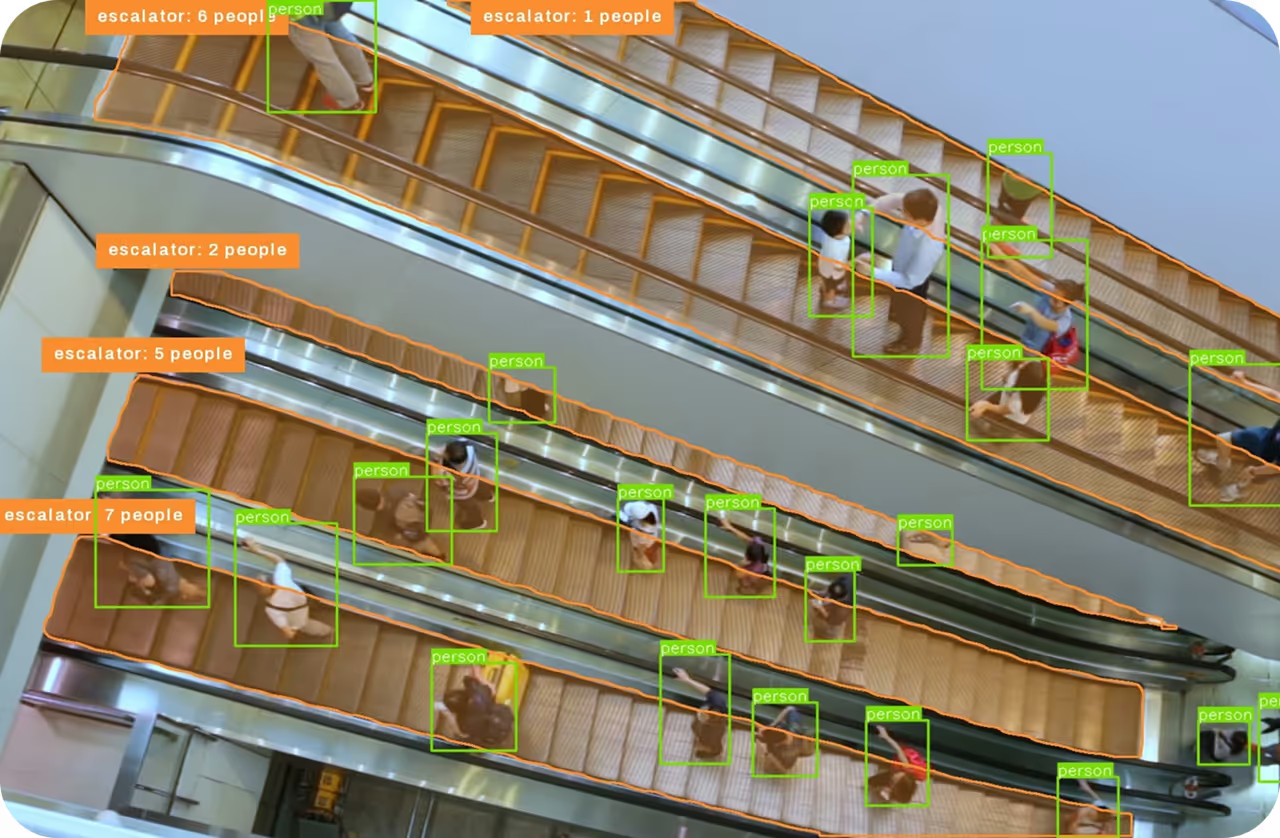
In computer vision, the relevant responsibility is understanding and checking model-generated labels. Ultralytics Platform's smart annotation editor uses Ultralytics YOLO predictions to create editable annotations; reviewers can adjust bounding boxes, correct classes, and remove incorrect predictions. This makes cognitive debt relevant to data annotation: automation handles initial labeling, while people retain responsibility for the labeling rules and final training data.
Recognizing and Reducing Cognitive Debt#
The practical response is to make comprehension part of task completion. Useful checks ask someone to explain a decision in their own words, predict the consequences of a change, or diagnose an error without requesting another generated answer. For teams, recording why a decision was made and reviewing changes together preserves knowledge across contributors. In human-in-the-loop workflows, this means giving reviewers substantive judgment rather than a simple approval step.
AI literacy includes knowing when to request explanations, test assumptions, and verify outputs. These practices support the oversight required for AI safety and ongoing model monitoring.
Comprehension can be assessed separately from output quality. In Judy Hanwen Shen and Alex Tamkin's randomized coding experiment, 52 developers learned the Python asynchronous-programming library Trio. Participants who requested explanations or asked conceptual questions retained stronger mastery than those who delegated more heavily. The AI-assisted group averaged 50% on the subsequent quiz, compared with 67% for the hand-coding group—a 17-percentage-point gap, with the largest difference on debugging questions.