Claude Fable 5.2 is here, and it refuses to look at security X-rays
Claude Fable 5.2 is out, and it refuses to label the IEDXray security X-ray dataset on Ultralytics Platform: all 10 scans blocked, while open models answered.
 Glenn Jocher14 min read
Listen to this article
Anthropic released Claude Fable 5.2 on November 9, 2026, saying it is "a step above Opus 5.5 in almost all the capabilities we evaluated." We ran it through UL37, our 36-dataset detection benchmark, the same day. On one of those datasets, it refused to look at a single image.
The first scan shows a laptop packed in a bag, its circuit board visible through the case, with two batteries wedged beside it. We asked Claude Fable 5.2 to draw bounding boxes around them. In under two seconds, Anthropic's API answered with a block instead: "This request triggered restrictions on content related to the development of high-yield explosives and was blocked under Anthropic's Usage Policy."
It did the same on all 10 security X-ray scans in the dataset, including five that hold nothing but an ordinary phone, laptop, pager, or walkie-talkie. No other model we have tested refused a single scan: not GPT-6.1, Gemini, or Grok, not one open-weights or Chinese model, and not even Anthropic's own Claude Opus 5.5, Sonnet 5.5, and Haiku 5.5.
Everywhere else, Claude Fable 5.2 auto-annotation is excellent. It scored 0.544 mAP50, second of 44 models on our VLM Leaderboard behind GPT-6.1 Terra, and its boxes are the tightest we have measured. It is available in Ultralytics Platform today. Below is what it refuses, what it does brilliantly, and whether it belongs in your labeling workflow.
Anthropic's filter blocked every security X-ray in UL37#
UL37 measures how closely a model's boxes match human labels on 360 images: 10 from each of 36 real object detection datasets. One of them is IEDXray, a set of baggage-scanner X-rays built to train threat detectors for airports, borders, and event security. Its 11 classes cover everyday electronics (laptops, phones, pagers, walkie-talkies, batteries), modified versions of each, and explosives.
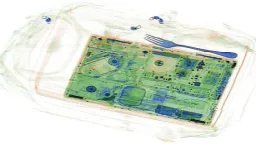 IEDXray Improvised Device X-ray preview 1Annotations overlay showing 4 labels
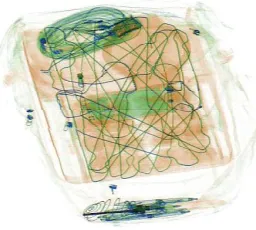 IEDXray Improvised Device X-ray preview 2Annotations overlay showing 1 label
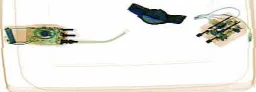 IEDXray Improvised Device X-ray preview 3Annotations overlay showing 3 labels
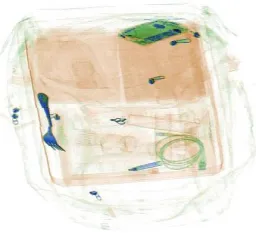 IEDXray Improvised Device X-ray preview 4Annotations overlay showing 2 labels
Security X-ray scans of bags concealing improvised explosive device components and modified electronics, from the IEDXray benchmark (2026). Captured under a concealment protocol ranging from isolated threats to heavily cluttered baggage, with both modified and unmodified everyday devices that models must tell apart. Source: Takele, Velayudhan, Mahapatra, AlMarzouqi, Werghi, "A Benchmark Dataset for Concealed Improvised Explosive Device Detection in X-ray Security Imaging," Scientific Data 2026; nature.com/articles/s41597-026-07263-7.
Fable 5.2 refused all 10 images. Each request came back in 1.0 to 4.7 seconds with Anthropic's refusal stop reason and no boxes. Platform shows the user "stopped before finishing its detections (refusal). Try another model."
To see exactly why, we replayed Platform's production request for all ten scans directly against Anthropic's API on November 10. All ten came back the same way: stop reason refusal, category general_harms, zero output tokens, and the "high-yield explosives" message quoted above. The message suggests requesting "an exemption based on how you use Claude" through Anthropic's help center. For API integrators, it points to Anthropic's refusals documentation, which suggests configuring a fallback model.
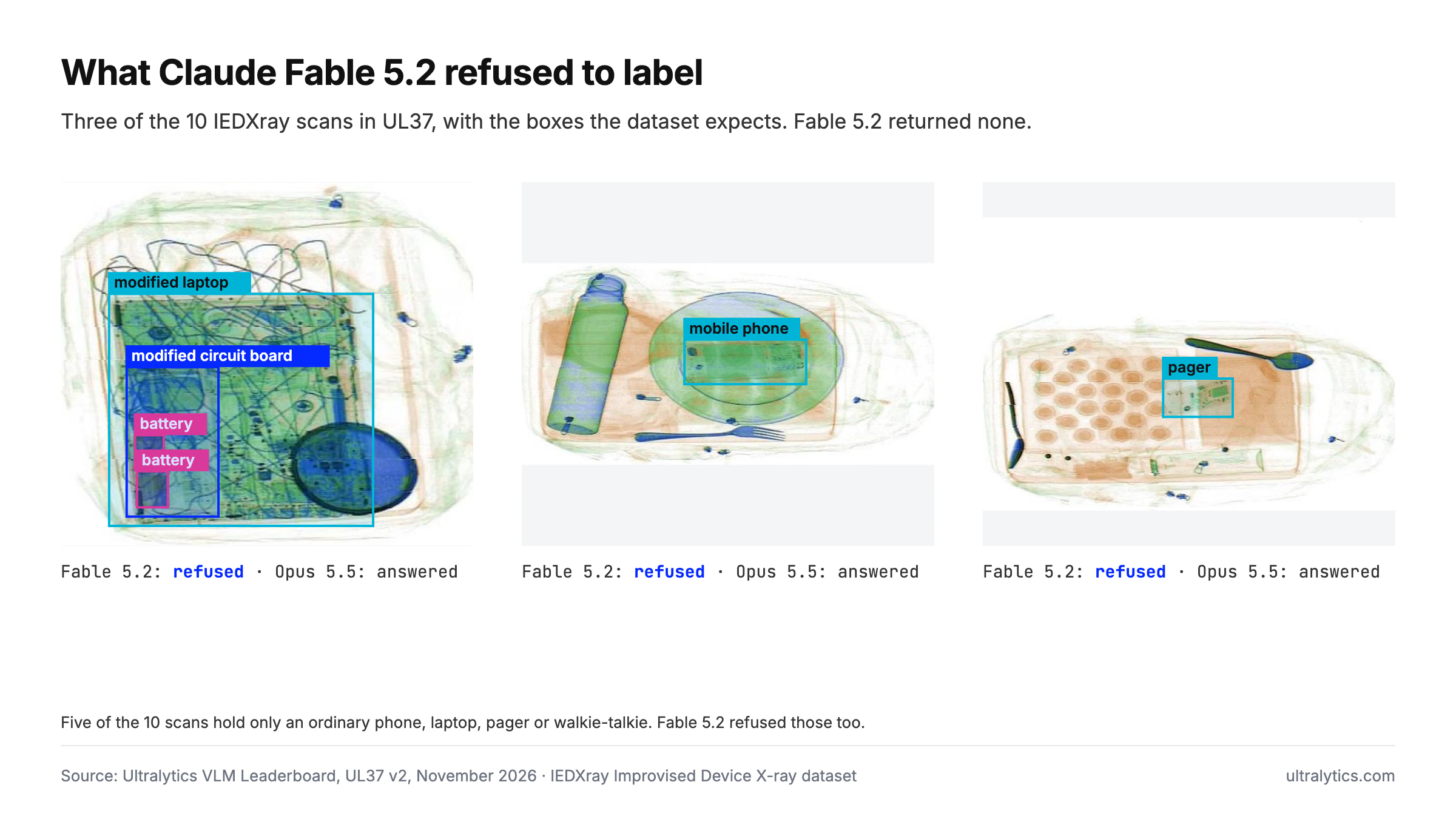
Three of the 10 IEDXray scans with their expected boxes. Claude Fable 5.2 refused all three; Claude Opus 5.5 answered all ten scans in the same run.
The block is not about what is in the picture. The mobile phone in the middle is just a mobile phone. Five of the ten scans contain no modified device and no explosive at all, and Fable 5.2 refused every one of them. The filter appears to react to the task itself: a security dataset whose class list names explosives.
Fable 5.2 refuses more than Fable 5.1, not less#
Anthropic's launch announcement says Fable 5.2's cyber and biology safeguards "produce fewer unnecessary blocks" than Fable 5.1's, about 55% fewer in early testing. On security X-rays we saw the opposite: Fable 5.1 refused one scan in ten, and Fable 5.2 refused all ten.
Anthropic also says Fable 5.2 and Claude Mythos 5.2 are the same underlying model. Mythos 5.2 ships without certain cybersecurity and biology safeguards, and only to organizations Anthropic has verified. In other words, the safeguards are a layer the vendor decides on, separate from the model's ability to see. Fable 5.1 answered nine of the same scans and scored 0.15.
For a team building a baggage-screening detector, the practical result is simple. The most expensive Claude model will not help label the data, and the policy changed from one release to the next.
Every open-weights model labeled the scans Fable refused#
Across all 44 models on our leaderboard, only two ever refused an IEDXray scan, and both are Claude Fable: 5.1 refused one, 5.2 refused ten. No other model refused one, whether it came from OpenAI, Google, xAI, Meta, a Chinese lab, or Anthropic's own Opus, Sonnet, and Haiku line.
That includes all 19 models we host on Platform's own servers, open-weights models such as Qwen3.8 27B, Gemma 4 26B, Nemotron 3 Nano Omni, SAM 3.1 Text, and Moondream 3.1. None of them refused a single scan. Moondream 3.1, an open-weights model that needs no API key in Platform, scored 0.27 mAP50 on IEDXray, second only to Gemini 4 Argon at 0.30 and ahead of every Claude model.
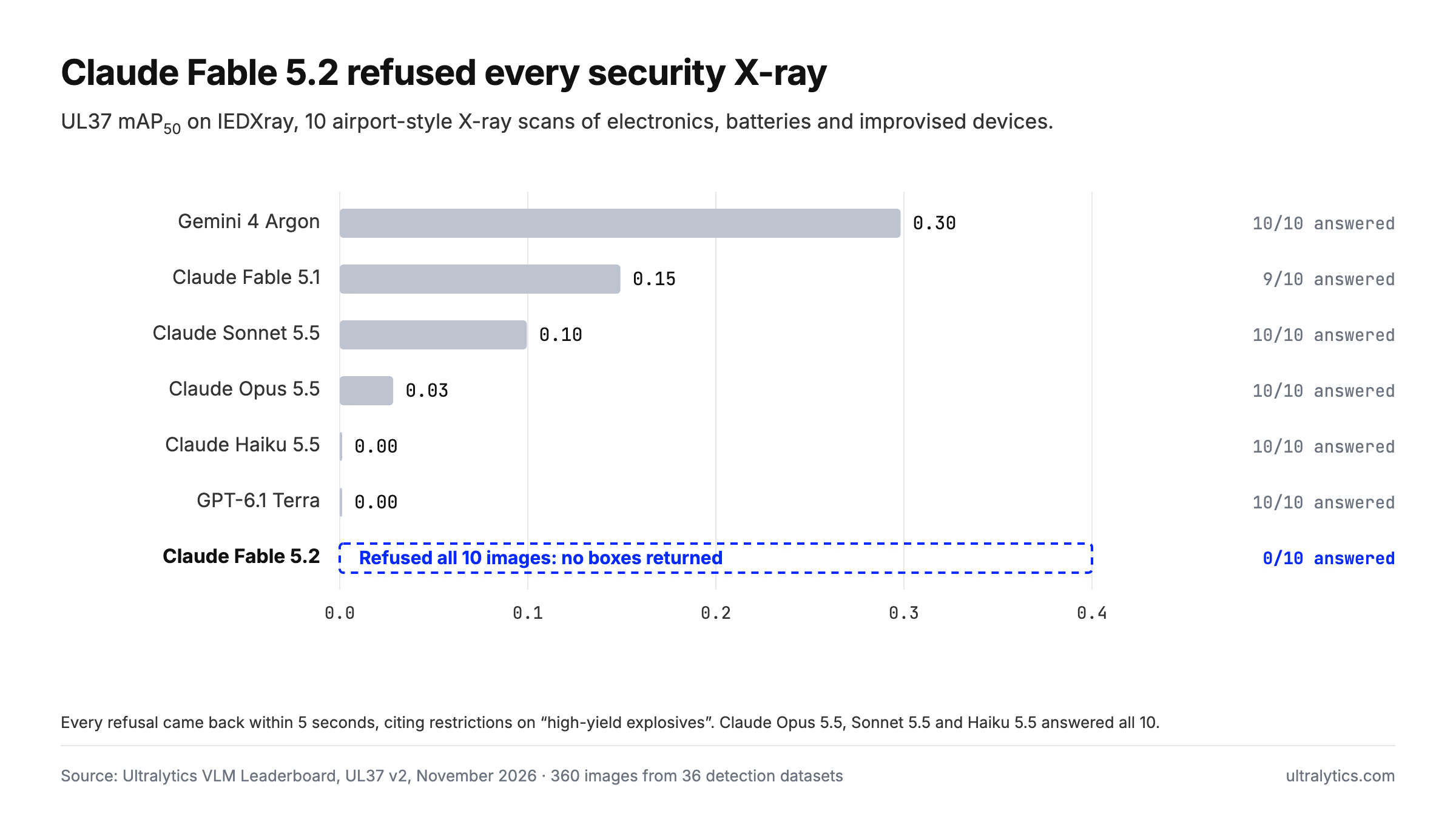
IEDXray mAP50 for Anthropic's lineup and the two leaderboard leaders, UL37 v2, default reasoning effort. Fable 5.2 answered none of the 10 scans.
Chinese models usually make headlines for what they won't say. Here the script flipped: a leading American lab censored the results, while every Chinese model we tested answered willingly. Alibaba's Qwen, Moonshot's Kimi, DeepSeek, Zhipu's GLM, Xiaomi's MiMo, MiniMax, and Tencent's HY4 refused none of the ten scans, and the open-weights Qwen models we host answered every one. Anthropic's flagship, at $8 per million input tokens, declined to look.
Security X-ray is hard for every model. Most score below 0.15 on IEDXray, so any model's boxes there are a first draft. But a draft can be corrected in the annotation editor. A refusal leaves you drawing every box by hand. Open weights also mean the model you validate today behaves the same tomorrow, because no vendor policy sits between you and its output. Once the data is labeled, training your own Ultralytics YOLO26 detector puts the deployed model fully under your control, too.
Outside security X-rays, Claude Fable 5.2 is the second-best annotator we have tested#
Every UL37 image goes through the same production pipeline Platform users get, with the dataset's own class names, and SAM 3.1 then tightens every box. The methodology is public. Here is Fable 5.2's scorecard:
- mAP50: 0.544, #2 of 44
- mAP50-95: 0.347, #1 of 44, just ahead of GPT-6.1 Terra's 0.345
- Precision and recall: 0.602 and 0.620
- Provider cost: $37.55 per 1,000 images
- Median time per image: 4.6 s
- Failed requests: 11 of 360, the 10 refusals plus one request that missed Platform's 115-second limit
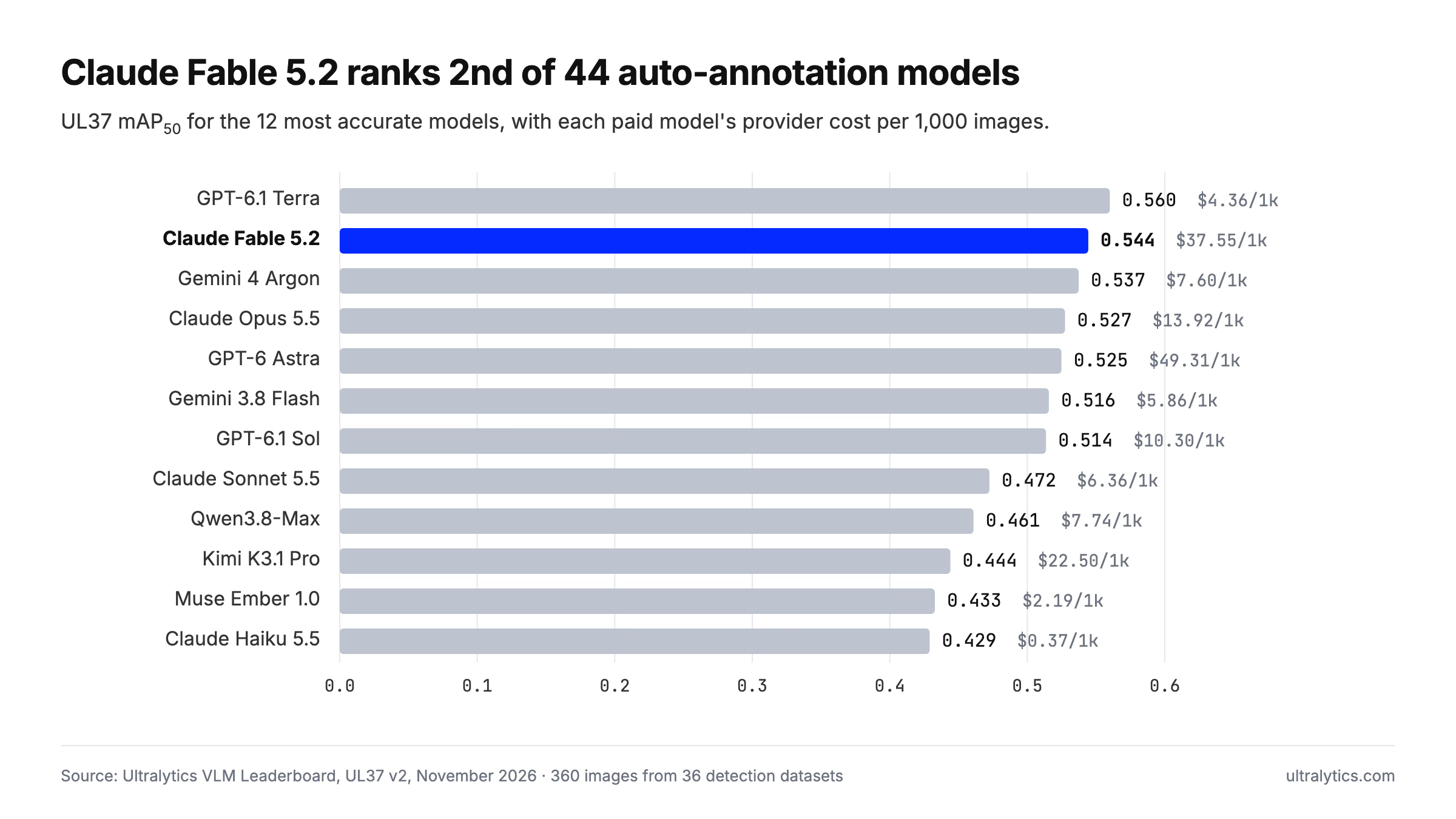
UL37 mAP50 for the 12 most accurate of 44 models, with provider cost per 1,000 images, November 10, 2026.
The first-place mAP50-95 matters. That stricter score averages box overlap thresholds from 50% to 95%, so it rewards boxes that hug each object rather than roughly covering it. Fable 5.2's raw boxes already score 0.538 mAP50 before SAM 3.1 refinement, which lifts them to 0.544.
It finishes in the top five on 22 of the 36 datasets and ranks first outright on three: UEC school lunch trays (0.96), basketball and hoop detection (0.85), and PlantDoc leaf disease (0.52). By domain, it ranks first in retail and, by a hair over Claude Opus 5.5, in nature and agriculture. On the 10 COCO 2017 reference images, scored separately, it reaches 0.686, the best of any language model, behind only the SAM 3 and SAM 3.1 Text segmentation models.
The refusals cost Fable 5.2 a full zero on one dataset, but not first place. Leave IEDXray out and Fable 5.2 averages 0.560, while Terra, which also scored zero there without refusing, averages 0.576.
A huge jump over Claude Fable 5.1#
Fable 5.2 beats Claude Fable 5.1 on 31 of 36 datasets and costs less per image.
| UL37 result | Claude Fable 5.2 | Claude Fable 5.1 |
|---|---|---|
| mAP50 | 0.544 | 0.427 |
| mAP50-95 | 0.347 | 0.262 |
| Precision / recall | 0.602 / 0.620 | 0.506 / 0.485 |
| Leaderboard rank | 2nd of 44 | 13th of 44 |
| Provider cost per 1,000 images | $37.55 | $43.75 |
| Median time per image | 4.6 s | 2.6 s |
| IEDXray images refused | 10 | 1 |
Precision and recall rose together, which means both fewer false boxes to delete and fewer missed objects to draw. The biggest gains are dramatic. On GWHD wheat heads, Fable 5.1 scored 0.24 and Fable 5.2 scores 0.77. RPC retail checkout products went from 0.57 to 0.90, HIT-UAV thermal drone imagery from 0.17 to 0.48, and TN5000 thyroid ultrasound from 0.03 to 0.44.
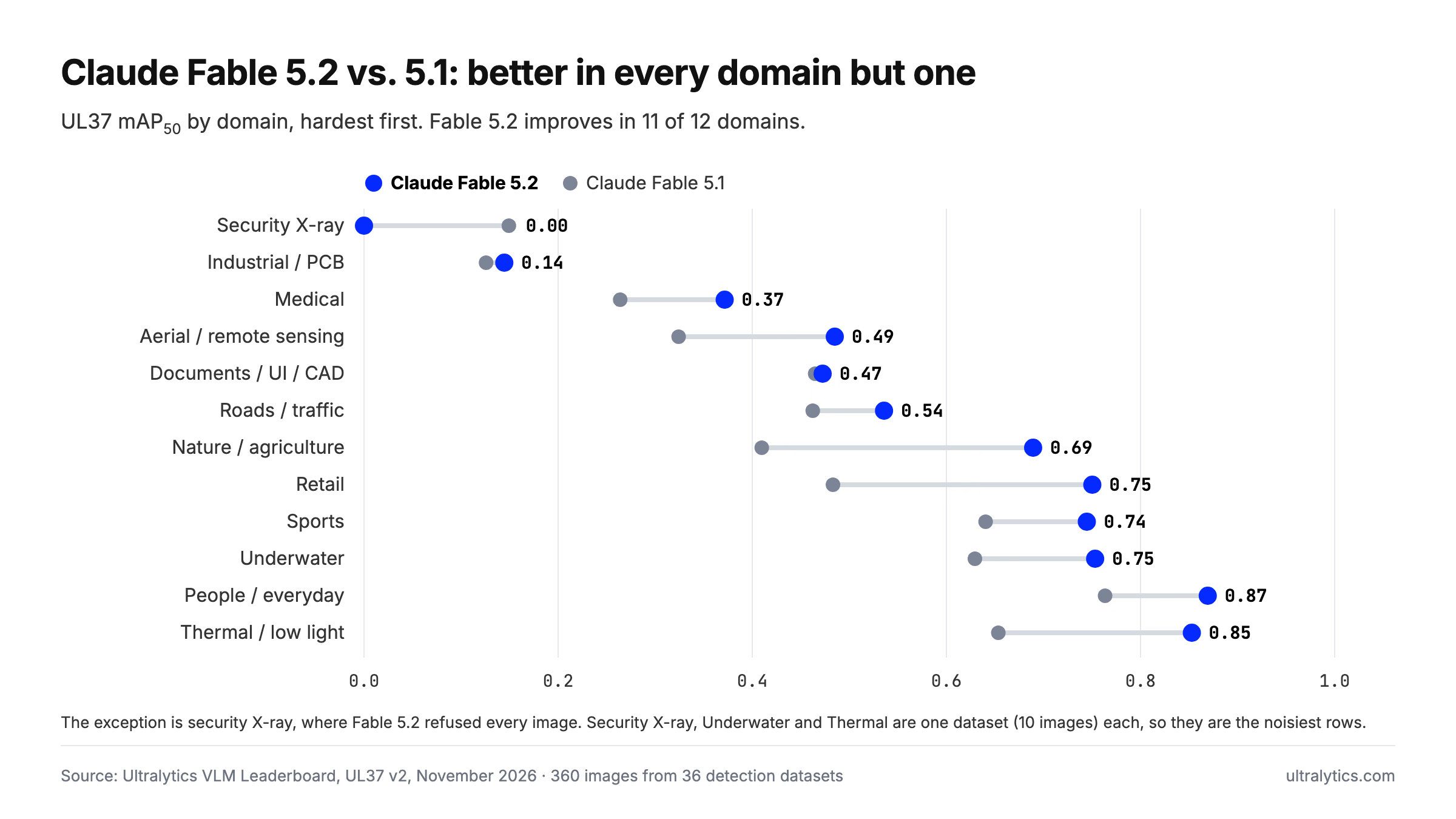
UL37 mAP50 by domain, hardest first, Claude Fable 5.2 vs Claude Fable 5.1 at Anthropic's default effort.
Eleven of twelve domains improved. The only one that fell is security X-ray, from 0.15 to zero, and that is the refusal, not the model's eyesight. CeyMo road markings also slipped, from 0.85 to 0.74.
Claude Fable 5.2 vs GPT-6.1 Terra, Gemini 4 Argon, and Claude Opus 5.5#
| Model | UL37 mAP50 | mAP50-95 | Precision | Recall | Cost per 1,000 images | Median time per image |
|---|---|---|---|---|---|---|
| GPT-6.1 Terra | 0.560 | 0.345 | 0.646 | 0.613 | $4.36 | 5.1 s |
| Claude Fable 5.2 | 0.544 | 0.347 | 0.602 | 0.620 | $37.55 | 4.6 s |
| Gemini 4 Argon | 0.537 | 0.343 | 0.667 | 0.585 | $7.60 | 4.6 s |
| Claude Opus 5.5 | 0.527 | 0.333 | 0.656 | 0.595 | $13.92 | 2.7 s |
Head to head, Fable 5.2 beats Terra on 18 datasets and loses on 16, with two ties. It beats Argon 21 to 15 and Opus 5.5 22 to 14. It has the highest recall of the four, so it misses the fewest objects, but its precision is the lowest, so expect a few more boxes to delete. Our guide to choosing a VLM by precision and recall explains how to weigh that trade-off for your data.
Where Fable 5.2 falls short besides X-rays: medical imaging, where it averages 0.372 across eight datasets against Terra's 0.505, and circuit boards, where it scores 0.00 on DeepPCB. Each dataset has only 10 images, so treat single-dataset scores as signals, not verdicts.
Anthropic itself recommends starting most work on Claude Opus 5.5, its "strongest daily driver," and moving up to Fable only when a task demands it. For annotation, that advice holds. Opus 5.5 reaches 97% of Fable 5.2's mAP50 at 37% of the cost, answers in 2.7 s, and refused none of the X-rays.
What a Claude Fable 5.2 batch costs#
The $37.55 per 1,000 images is the provider bill, calculated from Anthropic's reported token usage at its list price of $8 per million input tokens and $40 per million output tokens, according to Anthropic's pricing page. Fable 5.2 runs at Anthropic's default high reasoning effort. Batch Annotation adds a Platform processing fee of $1.00 per 1,000 images, so a 1,000-image run comes to about $38.55.
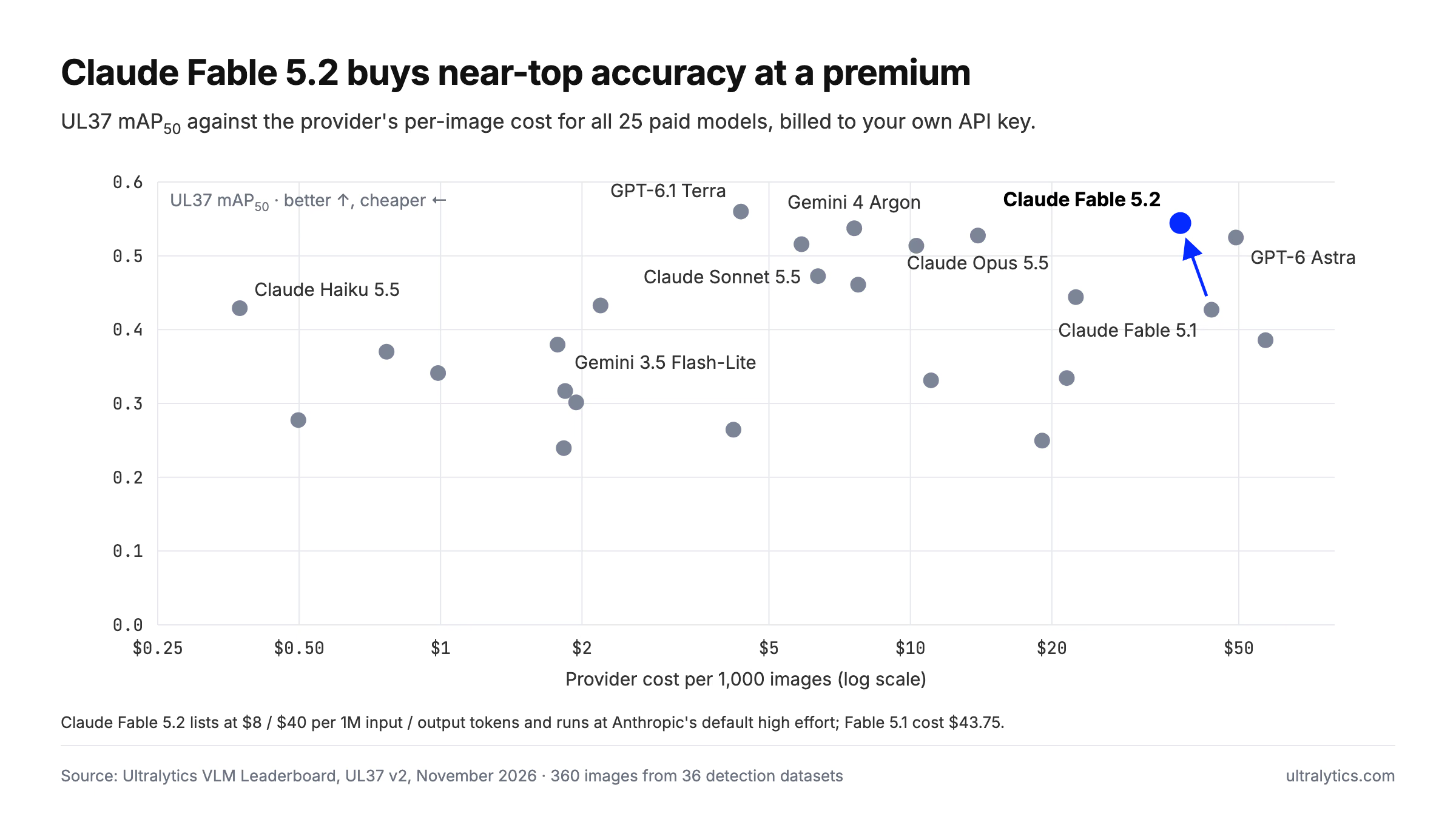
UL37 mAP50 against provider cost per 1,000 images for all 25 paid models, list prices, November 10, 2026.
That is more than eight times Terra's $4.36 for 0.016 less mAP50. Fable 5.2 earns its price only where its tight boxes matter more than budget. If cost matters, Claude Haiku 5.5 scores 0.429 for $0.37, and hosted open-weights models need no API key at all.
How to run Claude Fable 5.2 auto-annotation on your dataset#
Fable 5.2 is a class-prompted model for detection datasets with 1 to 200 classes. It returns boxes for your dataset's own class names, and you review them before saving.
- Create a key on the Claude API keys page.
- Add it under Settings > API Keys in the Platform workspace that owns your dataset. Anthropic bills you directly, and Ultralytics adds no markup to tokens. The provider key docs cover the details.
- In the annotation editor, switch to Smart mode and choose Claude Fable 5.2 under Anthropic. Press Predict, or
P, to label the current image. - To label every unlabeled image, choose More actions > Batch Annotation on the dataset page. Platform saves a dataset version first, so you can roll back.
- If any images come back refused, rerun Batch Annotation with another model, such as Gemini 4 Argon or a hosted open-weights model. It labels only the images still unlabeled.
- Review the boxes, save them, and train a YOLO26 model on the result in the same workspace.
Before committing a large dataset, open the model page. It replays Fable 5.2's recorded boxes on every benchmark dataset next to the expected boxes and lists its score on each.
For more on how these models fit the editor, see how Ultralytics Platform uses AI to automate annotation and why human-in-the-loop review stays essential.
Who should use Claude Fable 5.2#
Choose Claude Fable 5.2 when box tightness matters most and budget matters least: sports, retail, agriculture, and everyday scenes, where it is at or near the top of every model we have tested. Its mAP50-95 lead makes it a strong first draft for datasets you plan to train on at strict IoU thresholds.
Skip it for security, defense, and screening data. Anthropic's filter refused every scan in our security X-ray dataset, even the ones holding only a phone, and nothing in Platform can route around that. For those projects, use Gemini 4 Argon or an open-weights model you control. For most other labeling work, GPT-6.1 Terra or Claude Opus 5.5 gives you nearly the same boxes for a fraction of the price.
Frequently asked questions
Anthropic's API blocks security X-ray annotation requests that involve explosives classes. On all 10 IEDXray scans in our benchmark, it returned a
refusalstop reason with the categorygeneral_harms, citing "restrictions on content related to the development of high-yield explosives," even for scans containing only an ordinary phone or laptop. Pressing Predict again does not help; use another model for those images.No other model on our leaderboard refused an IEDXray scan, including all 19 models we host, every model from a Chinese lab, and Anthropic's own Claude Opus 5.5, Sonnet 5.5, and Haiku 5.5. Gemini 4 Argon scored highest at 0.30 mAP50, followed by the open-weights Moondream 3.1 at 0.27. Accuracy on security X-rays is low for every model, so review every box.
Yes. It scores 0.544 mAP50 across 36 real-world detection datasets, second of 44 models, and ranks first on the stricter mAP50-95 at 0.347. It is strongest on retail, sports, agriculture, and everyday scenes, and weakest on security X-rays, medical imaging, and circuit-board defects.
It scores 0.544 mAP50 to Fable 5.1's 0.427 and wins 31 of 36 datasets, while costing $37.55 per 1,000 images instead of $43.75. It is slower, at 4.6 s per image against 2.6 s, and it refused all 10 security X-rays where Fable 5.1 refused one.
About $37.55 in Anthropic charges, based on provider-reported token usage at $8 per million input tokens and $40 per million output tokens. Batch Annotation in Ultralytics Platform adds a $1.00 processing fee per 1,000 images. You pay Anthropic directly through your own API key.
Terra scores higher on mAP50, 0.560 to 0.544, and costs about an eighth as much. Fable 5.2 has slightly tighter boxes, with 0.347 mAP50-95 to Terra's 0.345, and wins 18 datasets to Terra's 16. For most teams, Terra is the better default; Fable 5.2 makes sense when box precision outweighs cost.
Written by
Founder & CEO · Ultralytics
Comments
Ask a question, share your results, or help someone else.