OpenVINOを使用してIntelのAI PCでUltralytics YOLOモデルを実行する
Dmitriy Pastushenkov氏とAdrian Boguszewski氏によるYOLO Vision 2024の講演を振り返り、Intel OpenVINOでYOLOモデルを最適化し、IntelのAI PCでリアルタイム推論を実行する方法を紹介します。

YOLO Vision 2024(YV24)は、Ultralyticsが毎年開催するハイブリッドイベントで、世界中のAI愛好家、開発者、専門家が集まり、コンピュータービジョンの最新イノベーションについて探求しました。YV24は、新たなブレークスルーについて議論する絶好の機会と場となりました。このイベントでは、AI業界の主要企業が最新のイノベーションを紹介しました。その中にはIntelも含まれており、イベントに参加して同社の画期的な新しいAI PCと、Intel OpenVINOとUltralytics YOLOモデル(Ultralytics YOLO11など)の統合について基調講演を行いました。
講演は、LandCover.aiのデータセットの共著者であり、IntelのOpenVINOツールキットについて開発者に説明しているSoftware EvangelistのAdrian Boguszewskiと、産業オートメーションおよびAI分野で20年以上の経験を持つAI PC EvangelistのDmitriy Pastushenkovが担当しました。イベント中、Adrianは興奮を示し、次のように述べました。「本日素晴らしいイベントとなっているのは、Ultralyticsが新しいYOLOバージョンを提供したからだけでなく、この新しいモデルを新しいハードウェア上で実行するとともに、新バージョンのOpenVINOも紹介できるからです。」
この記事では、YV24でのIntelの講演の主なポイントを取り上げ、Intel AI PC、Intel Core Ultra 200V Seriesの詳細と、OpenVINOツールキットを使用してUltralytics YOLOモデルと統合する方法を掘り下げます。早速始めましょう。
2024年の最先端AIテクノロジー#
Dmitriyは基調講演の冒頭で、従来のAIと生成AIの主な違いについて詳しく説明しました。焦点となったのは、これらのテクノロジーとそのユースケースが2024年にどのように進化しているかという点です。コンピュータービジョンや自然言語処理などの従来のAI技術は、姿勢推定、物体検出、音声認識などのタスクに不可欠でした。一方、生成AIは、チャットボット、テキストから画像への生成、コード生成、さらにはテキストから動画への生成などのアプリケーションを含む、AIテクノロジーの新たな潮流です。
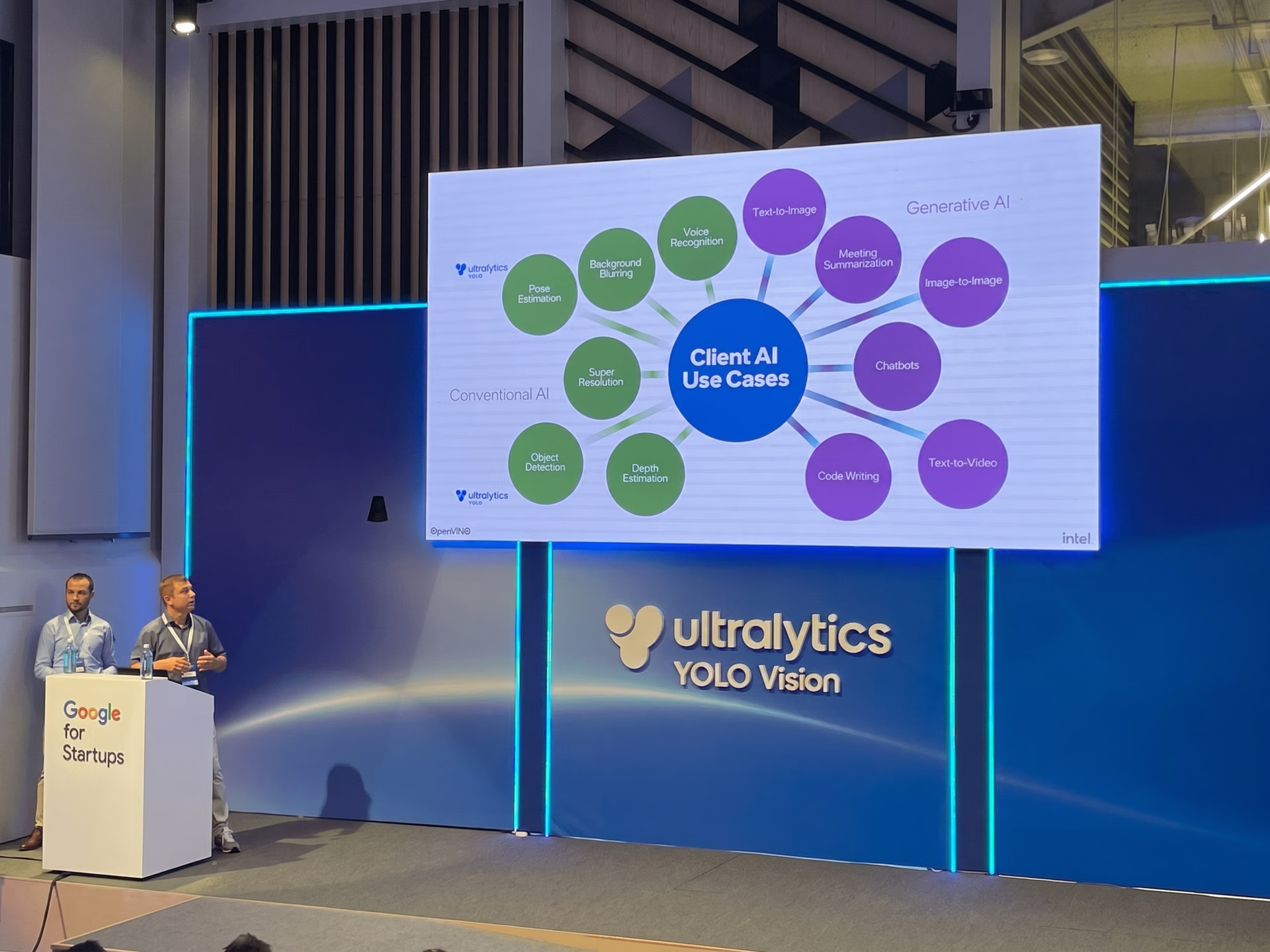
図1. YV24のステージでAIのユースケースについて議論するIntelのAdrianとDmitriy。
Dmitriyは、両者の規模の違いを指摘しました。従来のAIモデルが数百万のパラメーターで構成されるのに対し、生成AIモデルははるかに大規模なスケールで動作すると説明しました。生成AIモデルでは数十億、さらには数兆のパラメーターを扱うことが多く、そのためはるかに計算負荷が高くなります。
Intel AI PC:AIハードウェアの新たなフロンティア#
Dmitriyは、従来のAIモデルと生成AIモデルの両方を効率的に実行する際に増大する課題に対応するために設計された新しいハードウェアソリューションとして、Intel AI PCを紹介しました。Intel AI PCは、高性能かつエネルギー効率に優れたマシンです。クラウドベースの処理を必要とせず、幅広いAIモデルをローカルで実行できます。
ローカル処理により、機密性の高いデータのプライバシーを維持できます。AIモデルがインターネット接続に依存せず動作できれば、プライバシーとセキュリティに関する各業界の倫理的懸念に対応できます。
Intel AI PCを支える原動力は、Intel Core Ultra 200V Seriesプロセッサーです。このプロセッサーには、3つの主要コンポーネント、中央処理装置(CPU)、グラフィックス処理装置(GPU)、ニューラル処理装置(NPU)が搭載されています。それぞれが異なる種類のAIワークロードの処理において、固有の役割を担います。CPUは、迅速な応答が必要な小規模で低レイテンシーのタスクに適している一方、GPUはAIモデルの実行など、高スループットの処理に最適化されています。電力効率を重視して設計されたNPUは、リアルタイム物体検出など、長時間実行するタスクに適しており、YOLO11などのモデルで活用できます。
CPUは最大5 TOPS(1秒あたり数兆回の演算)、GPUは最大67 TOPSを実現でき、NPUはシステムリソースを消耗させることなくAIタスクを継続的に実行できる、エネルギー効率の高い手段であることが強調されました。
IntelのAIの進歩:Intel Core Ultra 200V Series#
Intel Core Ultra 200V Seriesプロセッサーは、3つすべてのAIエンジン(NPU、CPU、GPU)を1つの小型チップに統合しています。その設計は、性能を犠牲にすることなく、ノートPCなどの小型デバイスに最適化されています。
このプロセッサーにはRAMも内蔵されており、別途グラフィックスカードを用意する必要性を減らします。これにより消費電力を抑え、デバイスをコンパクトに保てます。Dmitriyは、プロセッサーの柔軟性も強調しました。ユーザーは、タスクに応じてAIモデルをCPU、GPU、NPUのいずれで実行するかを選択できます。たとえば、YOLO11モデルによる物体検出はこれらのエンジンのいずれでも実行でき、一方、テキストから画像への生成など、より複雑なタスクでは、GPUとNPUを同時に使用して性能を向上させることができます。
プレゼンテーション中、Dmitriyはポケットからチップを取り出し、高度なAIタスクを処理できるにもかかわらず、実際にはどれほど小さいのかを参加者に明確に示しました。Intelが高性能なAI機能を、よりポータブルで実用的なデバイスに提供していることを示す、楽しく印象的な方法でした。
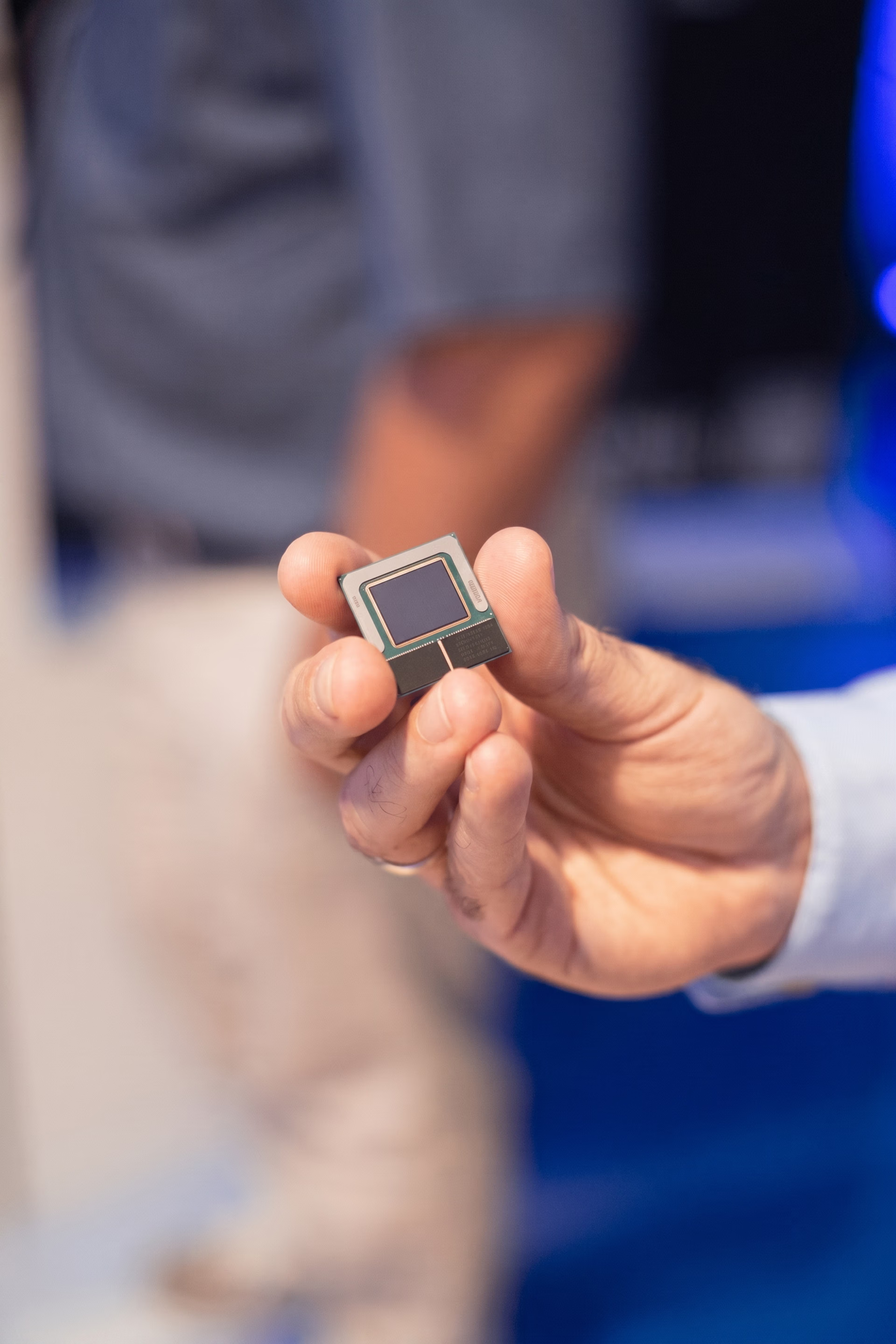
図2. Intel Core Ultra 200Vプロセッサーはポケットに収まります。
Intel OpenVINOによるAIモデルの最適化#
Intelの最新のハードウェアの進歩を紹介した後、DmitriyはAIをサポートするIntelのソフトウェアスタックへと話題を移しました。IntelのオープンソースフレームワークであるOpenVINOを紹介し、さまざまなデバイスでAIモデルを効率的に最適化およびデプロイできるように設計されていると説明しました。OpenVINOはビジュアルタスクにとどまらず、自然言語処理、音声処理、Transformerなどに使用されるAIモデルにも対応しています。
OpenVINOは、PyTorch、TensorFlow、ONNXなどの一般的なプラットフォームと互換性があり、開発者はワークフローに簡単に組み込めます。Dmitriyが注目を集めた主な機能の1つが量子化です。量子化はモデルの重みを圧縮してサイズを削減し、大規模なモデルをクラウドなしでローカルデバイス上でスムーズに実行できるようにします。OpenVINOは複数のフレームワークに対応し、CPU、GPU、NPU、FPGA、さらにはARMデバイス上で動作し、Windows、Linux、macOSをサポートしています。Dmitriyは、OpenVINOを使い始める方法についても、聴衆にわかりやすく説明しました。
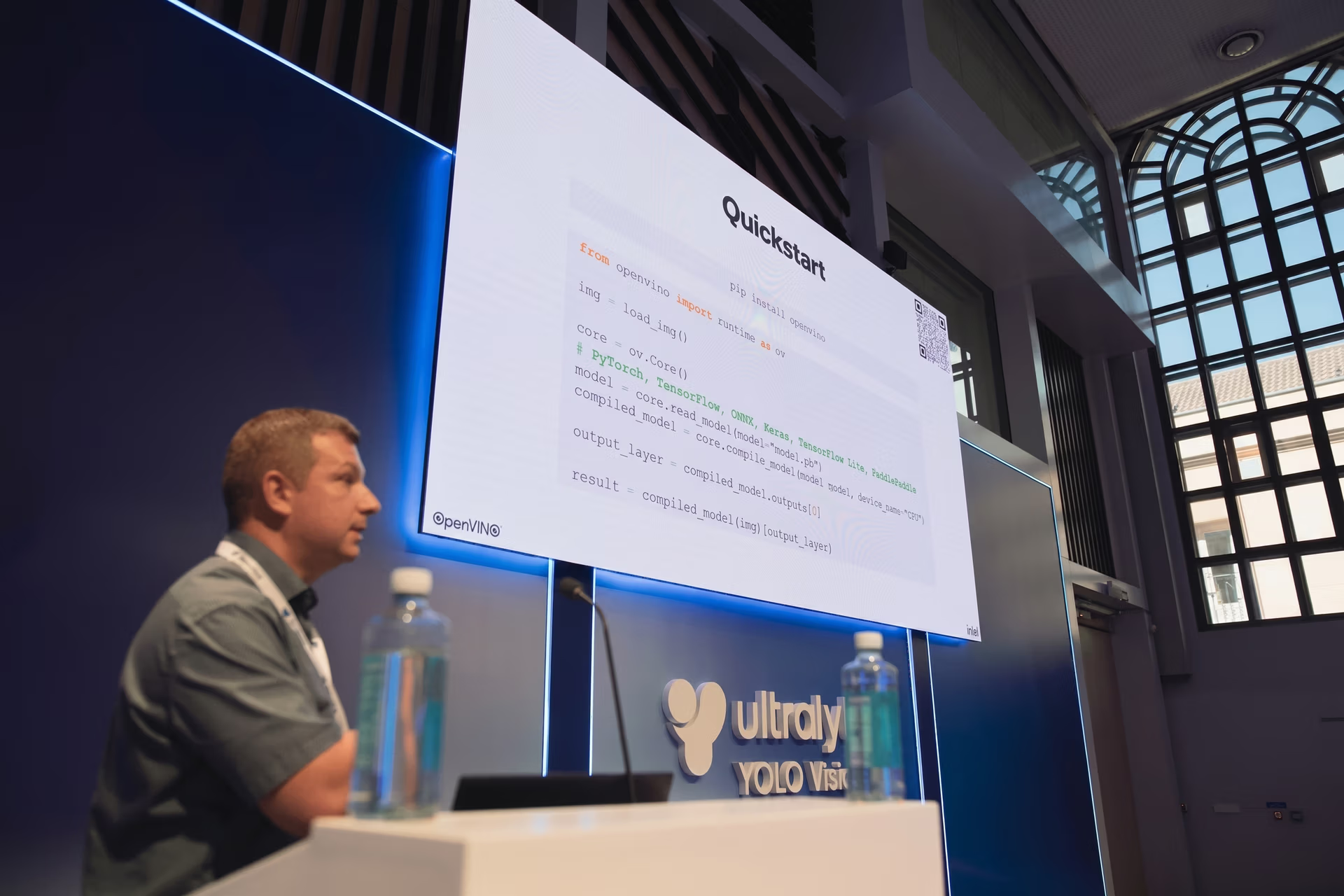
図3. OpenVINOの始め方を説明するDmitriy。
UltralyticsとIntel OpenVINOの統合#
講演の後半ではAdrianにマイクが渡され、YOLOモデルのデプロイを簡略化する、Ultralytics YOLOモデルとIntelのOpenVINOツールキットのシームレスな統合について説明しました。Ultralytics Pythonパッケージを使用してYOLOモデルをエクスポートし、OpenVINO形式に変換する手順が迅速かつ簡単であることを、ステップごとに説明しました。この統合により、開発者はIntelハードウェア向けにモデルを最適化し、両方のプラットフォームを最大限に活用しやすくなります。
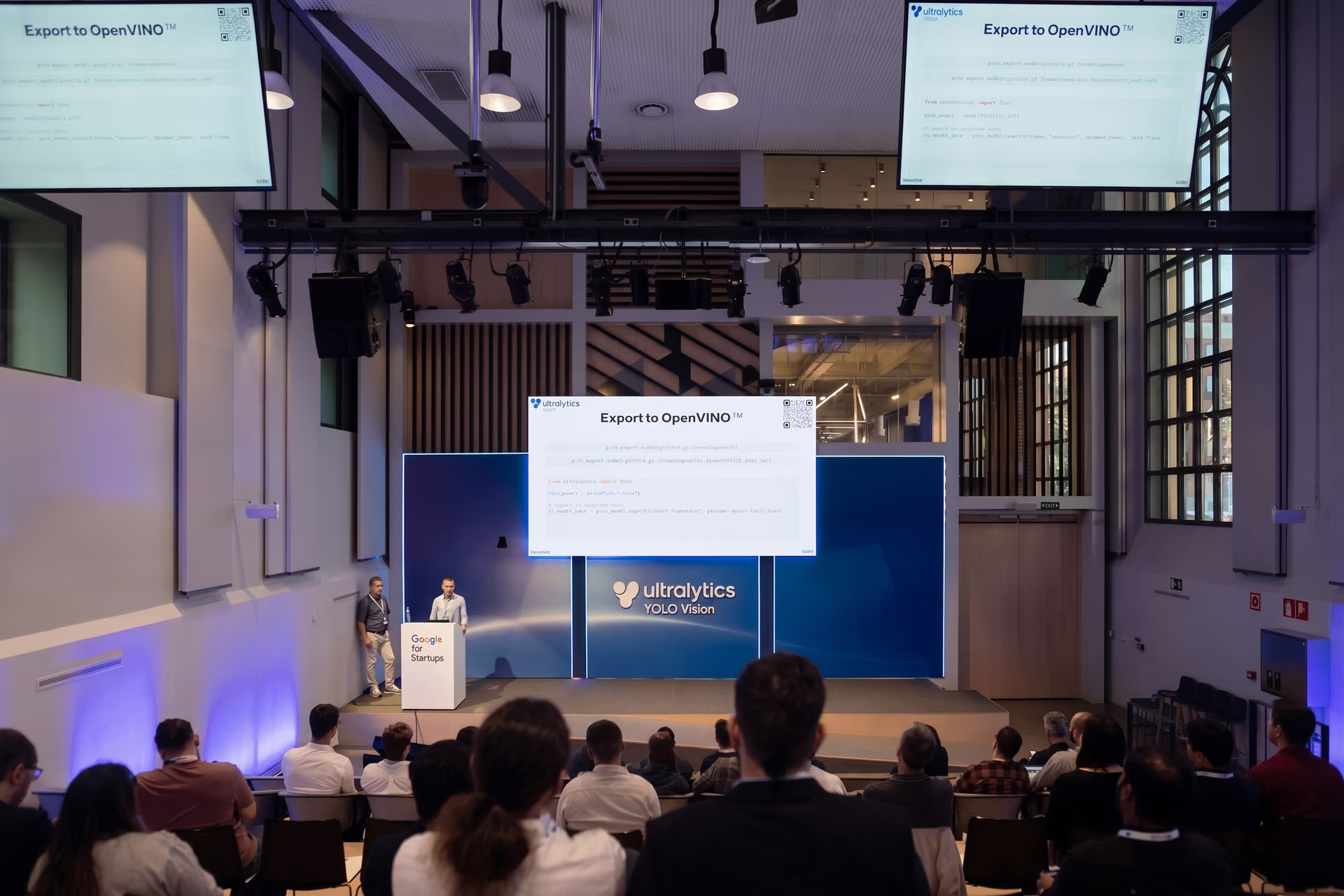
図4. UltralyticsによってモデルをOpenVINO形式に簡単にエクスポートできることを説明するAdrian。
Adrianは、Ultralytics YOLOモデルをトレーニングした後、いくつかの簡単なコマンドラインフラグを使用してエクスポートできることを実演しました。たとえば、最大限の精度を得るために浮動小数点版としてエクスポートするか、速度と効率を高めるために量子化版としてエクスポートするかを指定できます。また、開発者はコードから直接このプロセスを管理でき、INT8量子化などのオプションを使用して、精度を大きく犠牲にすることなく性能を向上させられることも強調しました。
Intel AI PCでのリアルタイムAIデモ#
Intelチームは、ここまでの理論を実践に移し、Intel AI PC上でYOLO11を実行する物体検出のリアルタイムデモを披露しました。Adrianは、システムが異なるプロセッサー上でモデルを処理し、浮動小数点モデルではCPUで毎秒36フレーム(FPS)、統合GPUでは100 FPS超、INT8量子化版では70 FPSを達成する様子を紹介しました。Intel AI PCが複雑なAIタスクをいかに効率的に処理できるかが示されました。
また、すべてのデータやビデオフレームがあらかじめ用意されているタスクでは、CPU、GPU、NPUを組み合わせてモデルを並列実行できることも指摘しました。これは、動画などの重い負荷を処理する際に有用です。システムはワークロードを異なるプロセッサーに分散できるため、処理をより高速かつ効率的に行えます。
最後にAdrianは、ユーザーが自宅でデモを試せることを紹介し、人数カウントやインテリジェントキュー管理などのソリューションを挙げました。さらに、ユーザーがプロンプトを入力して、GPU上で夢のような画像をリアルタイムに生成できるボーナスデモも披露しました。これは、従来のAIタスクとクリエイティブな生成AIプロジェクトの両方におけるIntel AI PCの汎用性を示すものでした。
Intel OpenVINOによるリアルタイム物体検出#
イベントでは、Intelがブースを設け、Intel AI PC上でUltralytics YOLO11を実行するリアルタイム物体検出デモを展示しました。参加者は、OpenVINOで最適化され、Intel Core Ultra 200Vプロセッサーにデプロイされたモデルの動作を確認できました。
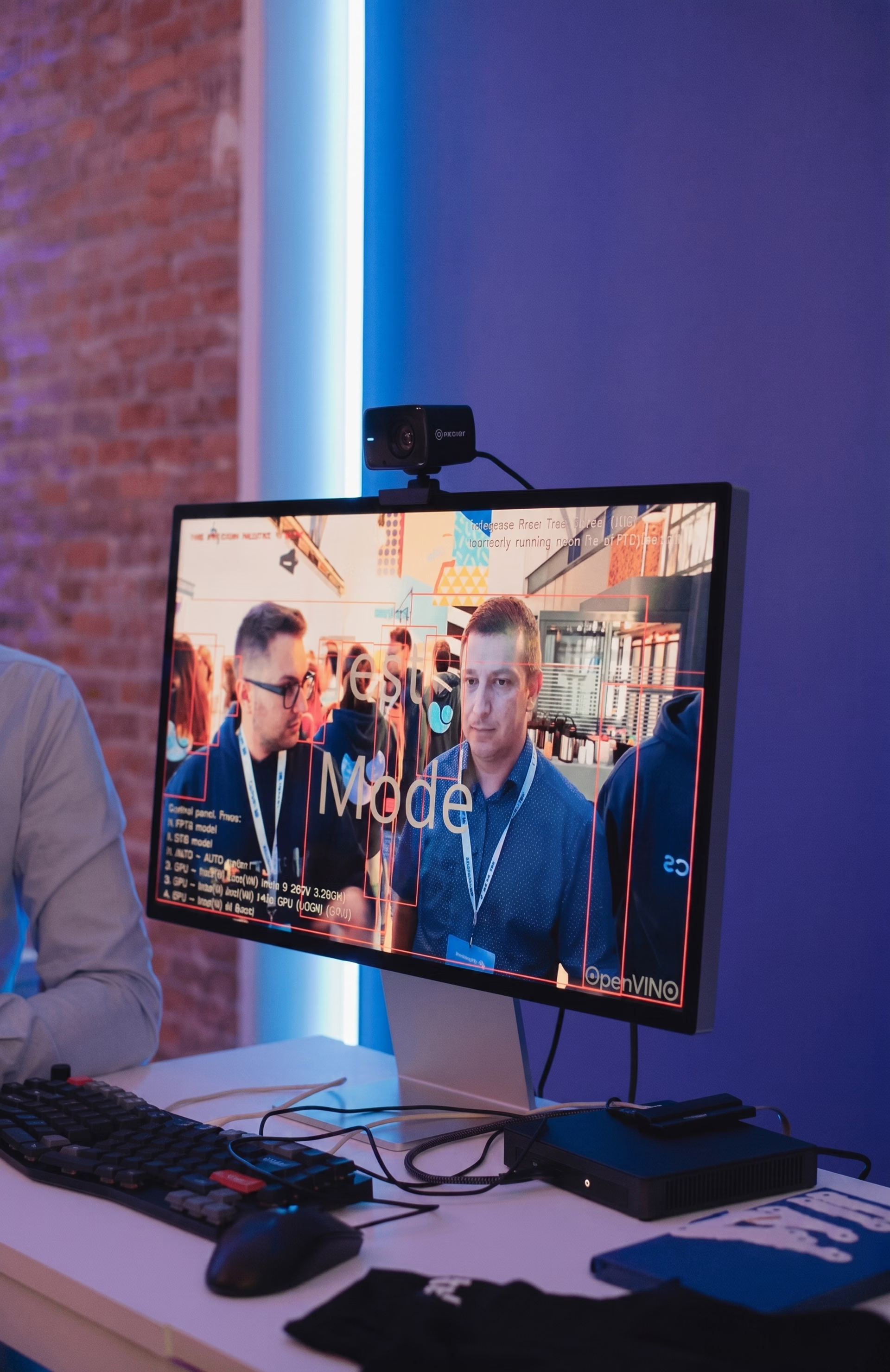
図5. 参加者はIntel OpenVINOブースでリアルタイムデモを見学できました。
Intelのブースで、Dmitriyは次のように述べました。「YOLO Visionへの参加は今回が初めてで、マドリードに来られてうれしく思います。UltralyticsのYOLO11モデルをIntel Core Ultra 200Vプロセッサー上で実行して紹介しています。優れた性能を発揮しており、OpenVINOを使用してモデルを最適化およびデプロイしています。Ultralyticsとの協業は非常に簡単で、CPU、GPU、NPUを活用しながら、最新のIntelハードウェア上でモデルを実行できました。」ブースでは、参加者が持ち帰れるTシャツやノートブックなど、楽しいプレゼントも用意されていました。
主なポイント#
Intel Core Ultra 200V Seriesプロセッサーを紹介したIntelのYV24での技術講演では、OpenVINOツールキットがUltralytics YOLO11などのAIモデルを最適化する方法が示されました。この統合により、ユーザーはYOLOモデルをデバイス上で直接実行でき、物体検出などのコンピュータービジョンタスクで優れた性能を発揮できます。主なメリットは、ユーザーがクラウドサービスに依存する必要がないことです。
開発者やAI愛好家は、YOLOモデルを簡単に実行およびファインチューニングし、CPU、GPU、NPUなどのハードウェアを最大限に活用してリアルタイムアプリケーションを構築できます。Intel OpenVINOツールキットとUltralytics YOLOモデルの組み合わせにより、高度なAI機能を個人用デバイスに直接導入する新たな可能性が開かれ、さまざまな業界でAIイノベーションを推進したい開発者にとって理想的な選択肢となります。
協力してイノベーションを生み出しましょう。GitHubリポジトリにアクセスして、私たちの取り組みを確認し、コミュニティに参加してください。製造業やヘルスケアなどの業界でAIを活用してどのようなインパクトを生み出しているかをご覧ください。








