Kişi Sayımı ve Doluluk Analitiği Gerçekte Nasıl Çalışır?
Kişi sayımı ve doluluk analitiğinin nasıl çalıştığı: WiFi, ToF, termal ve kamera tabanlı görü yöntemlerinin karşılaştırması, mevcut ürünler ve çözümün nasıl oluşturulacağı.
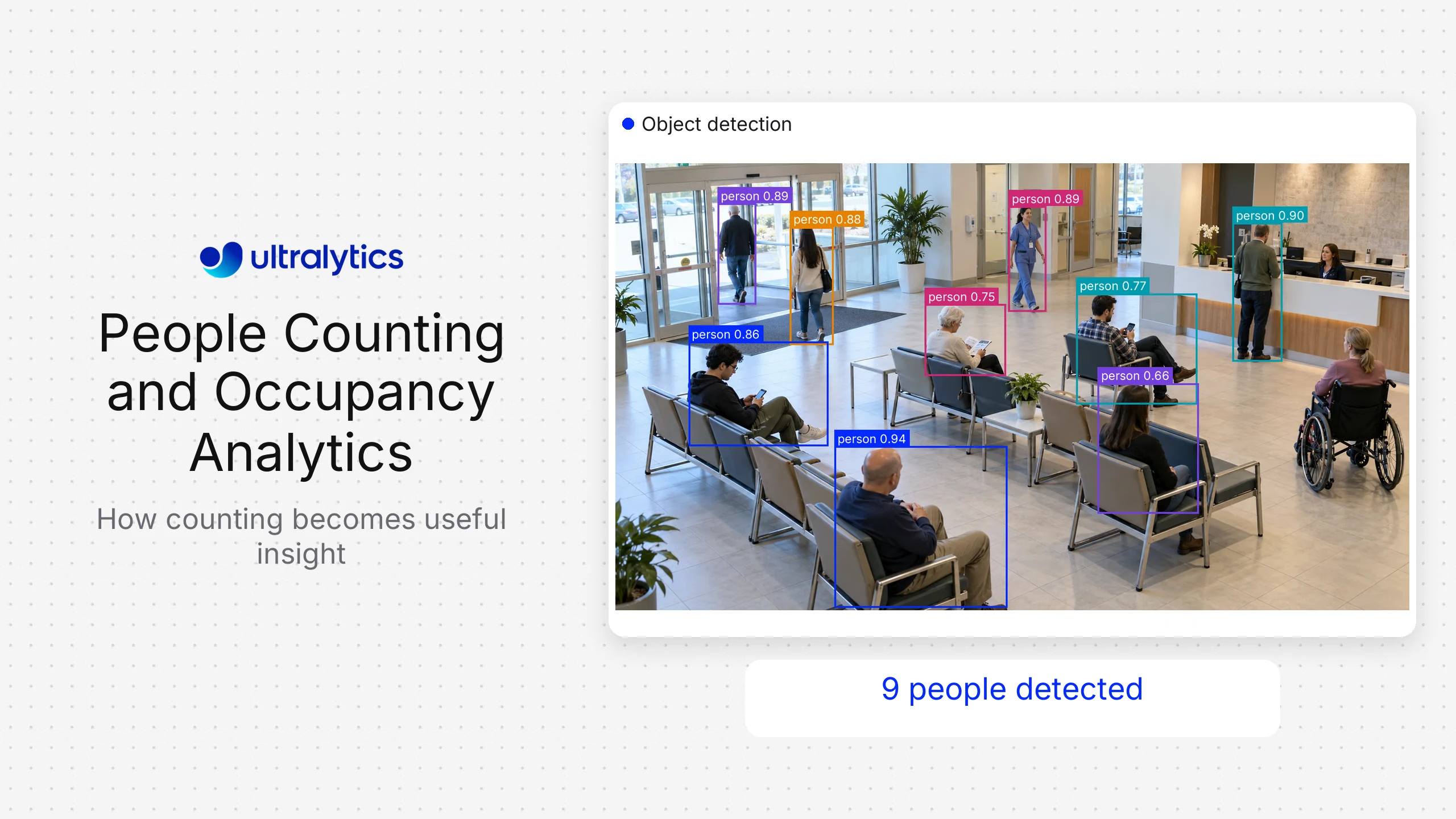
İnsan sayma projelerinin çoğu, herhangi bir sensör seçilmeden önce yanlış yola girer; çünkü "kaç kişi" sorusu dört farklı ölçümü ifade eder ve ekipler yanlış olanı tanımlar. Bir gün boyunca giriş yapan kişi sayısı, o anda içeride bulunan kişi sayısı, her kişinin ne kadar kaldığı ve kuyrukta kaç kişinin beklediği; farklı algılama yöntemleri, farklı yerleşimler ve farklı doğruluk düzeyleri gerektirir. Girişleri doğru sayan bir sistem doluluk oranını hatalı bildirebilir; doluluk için ayarlanmış bir sistem de kısa süreli girişleri tamamen kaçırabilir.
Bu kılavuz söz konusu ölçümleri birbirinden ayırır, algılama yöntemlerini (WiFi ve BLE, kızılötesi ışınlar, uçuş süresi, termal, stereo ve kamera tabanlı görüntü işleme) tarafsız biçimde karşılaştırır ve hem satın almaya değer ürünleri hem de ekiplerin Ultralytics YOLO modelleriyle kendi kamera tabanlı sayma sistemlerini nasıl oluşturduğunu ele alır.
Tek bir ölçüm değil, dört ölçüm#
| Ölçüm | Yanıtladığı soru | Gerekenler | Yaygın hata |
|---|---|---|---|
| Girişler / ziyaretçi sayısı | Bugün kaç kişi içeri girdi? | Her girişte yönlü sayım | Çalışanları, teslimat görevlilerini ve tekrar girişleri ziyaretçi olarak saymak |
| Doluluk | Şu anda içeride kaç kişi var? | Giriş ve çıkışların doğru sayılması veya tüm alanı algılama | Küçük yön hatalarının gün boyunca birikerek büyük sapmalara dönüşmesi |
| Kalma süresi | İnsanlar ne kadar süre kaldı? | Alan genelinde kimlik bilgisi içermeyen hareket yollarının izlenmesi | Engellenme nedeniyle izlerin kaybolması ve ardından dönüşün iki kez sayılması |
| Kuyruk uzunluğu ve bekleme süresi | Kaç kişi, ne kadar süre bekliyor? | Bölge tabanlı sayım ve zaman ölçümü | Düzgün bir sıra olmadığında kuyruğun nerede başladığını tanımlamak |
Ekipleri şaşırtan ölçüm doluluktur. Doluluğu girişlerden çıkışları çıkararak hesaplamak, her sayım hatasının birikmesi demektir: kapıdan geçen her harekette tekrarlanan küçük bir yön hatası, kapanış saatinde sayımın ciddi ölçüde yanlış olmasına yol açar. Güvenilir doluluk bilgisine ihtiyaç duyan sistemler ya tüm alanı doğrudan algılar ya da genellikle gece boyunca alanın boş olduğu bilinen bir durumda sayımı sıfırlar.
Algılama yöntemlerinin karşılaştırması#
| Yöntem | Nasıl çalışır | Güçlü yönler | Sınırlamalar | Gizlilik profili |
|---|---|---|---|---|
| WiFi / BLE | Cihaz sinyallerini algılar | Geniş alanı kapsar, tavana kurulum gerektirmez, AP'lerin bulunduğu yerlerde ucuzdur | İnsanları değil cihazları sayar; telefonları kapalı olanları veya rastgeleleştirilmiş sinyalleri kaçırır; hassasiyeti düşüktür | Görüntü yoktur; cihaz tanımlayıcıları yine de birçok mevzuat kapsamında kişisel veridir |
| Kızılötesi ışın | Kapı aralığındaki ışın kesilir | Çok ucuz, basit ve düşük güç tüketimlidir | Eşleştirilmediğinde yönü belirleyemez; yan yana yürüyen grupları tek kişi sayar | Asgari |
| Uçuş süresi (ToF) | Bir bölgenin yukarıdan derinlik algılaması | Yönlü sayımda doğrudur, aydınlatma koşullarına dayanıklıdır ve karanlıkta çalışır | Her birim sabit ve dar bir alanı kapsar; geniş girişler için daha fazla birim gerekir | Kimliği belirlenebilir görüntü yoktur |
| Termal | Vücut ısı izlerini algılar | Karanlıkta çalışır; doğası gereği anonimdir | Ortam sıcaklığı vücut sıcaklığına yaklaştığında performansı düşer; çözünürlüğü daha düşüktür | Güçlü — kimliği belirlenebilir görüntü yok |
| Stereo görüntüleme | İki lens derinliği hesaplar | İyi doğruluk sağlar; çocukları veya alışveriş arabalarını hariç tutmak için boy filtreleme olanağı sunar | Birim maliyeti daha yüksektir; dikkatli montaj ve kalibrasyon gerekir | Görüntü bulunur ancak genellikle yerel olarak işlenir |
| Kamera tabanlı görüntü işleme | Videoda nesne algılama ve izleme modelleri | Sahip olabileceğin kameralarda kuyruklar, bölgeler, yön, kalma süresi ve nesne sınıfları gibi bağlam bilgilerinin yanı sıra sayım sağlar | Aydınlatmaya, engellenmeye ve kamera açısına duyarlıdır; işlem gücü gerektirir | Gizlilik açısından en hassas yöntemdir; bilinçli tasarım gerektirir |
Asıl ödünleşim, bağlam ile basitlik arasındadır. Bir kapının üzerindeki ToF sensörü tek bir işi son derece iyi yapar ve bunun dışında hiçbir bilgi vermez. Kamera tabanlı görüntü işleme aynı akıştan yön, bölgeler, kalma süresi, kuyruklar ve nesne sınıfları hakkında bilgi sunar; bunun karşılığında aydınlatma, engellenme ve işlem gücü sorunlarıyla uğraşmayı gerektirir.
Yalnızca girişlerin önemli olduğu tek bir giriş için tavana monte ToF genellikle daha iyi bir mühendislik çözümü ve gizliliği açıklaması daha kolay bir seçenektir. Çok bölgeli analiz, kuyruklar veya diğer algılamalarla birleştirilmesi gereken sayım için gereksinimi ölçeklenebilir biçimde karşılayan yöntem görüntü işlemedir.
Sayımı gerçekte neler bozar?#
Tedarikçilerin açıkladığı doğruluk oranları, gerçek dağıtımlara nadiren benzeyen koşullarda ölçülür. Gerçek dünya doğruluğunu etkileyen faktörler:
- Gruplar ve yan yana yürüme. Geniş bir kapıdan omuz omuza geçen iki kişi, eksik sayımın klasik nedenidir. Kapı genişliğinin sensör kapsama alanına oranı, sensörün nominal doğruluğundan daha önemlidir.
- Engellenme. Pusetler, şemsiyeler, bagajlar, uzun vitrinler ve yoğun kalabalık alanlar, net görüş gerektiren tüm yöntemlerde insanları gizler.
- Kamera açısı. Sayım için yukarıdan çekim, eğik açıya göre çok daha doğrudur; çünkü eğik görüntülerde insanlar birbirinin arkasında kalır. Sığ açıyla yerleştirilmiş, başka amaçla kullanılan bir güvenlik kamerası, görüntü işleme tabanlı sayımın beklentileri karşılamamasının en yaygın nedenidir.
- Aydınlatma. Görüntü işleme açısından en zor durumlar, gün doğumu ve gün batımında arkadan aydınlanan girişler ile yansıtıcı zeminler ve cam kapılardır.
- Giriş eşiğinde oyalanma. Kapı eşiğinde durup konuşan biri, kalıcılık kuralı yoksa tekrarlanan geçişler oluşturabilir.
- Kimin ziyaretçi sayılacağı. Çalışanlar, temizlik görevlileri, teslimatlar ve geçip gidenler genellikle bir sistemle elle yapılan denetim arasındaki anlaşmazlığın en büyük tek nedenidir; bu bir algılama değil, tanım sorunudur.
- Birden fazla kamerada çift sayım. Görüş alanları, bölgeler birbirini dışlayacak biçimde tanımlanmadığı veya izler kameralar arasında devredilmediği sürece aynı kişiyi iki kez sayar.
Hangi sistemi kurarsan kur, en zor koşullarında elle sayım yaparak doğrula: en yoğun saat, en kötü aydınlatma, en geniş giriş. Önemli olan bu koşullardaki doğruluktur.
Satın almayı düşünüyorsan kısa listeye eklemeye değer ürünler#
Amaç ziyaretçi sayısı raporlaması, doluluk panoları veya perakende dönüşüm analiziyse bunlar olgun ürünlerdir ve genellikle doğru tercih satın almaktır. Ultralytics bunlara alternatif değildir.
Xovis. Giriş sayımı, kuyruk yönetimi ve bölge analizlerinde yüksek doğruluk sunan, havalimanlarında ve büyük perakende alanlarında yaygın olarak kullanılan, tavana monte stereo görüntüleme sensörleri. Sayım doğruluğunun operasyonlar açısından kritik olduğu ortamlar için en uygunudur. Ödünleşim: kapsama alanı başına sensör donanımı gerekir; bu nedenle geniş veya çok sayıda giriş maliyeti artırır.
V-Count. Ziyaretçi sayısı, doluluk ve dönüşüm raporlamasını kapsayan platform katmanıyla, doğrudan perakendeye yönelik kişi sayımı ve analizleri sunar. Kullanıma hazır raporlama isteyen çok şubeli perakende zincirleri için en uygunudur. Ödünleşim: perakendeye göre tasarlanan analizler, endüstriyel veya kampüs ortamlarına daha zor uyarlanır.
Density. Gayrimenkul ve alan kullanımına ilişkin kararları desteklemek üzere kendi anonim derinlik sensörlerini kullanan, iş yeri odaklı doluluk ölçümü. Ofis alanını optimize eden kurumsal portföyler için en uygunudur. Ödünleşim: perakende dönüşümü yerine iş yeriyle ilgili sorular için tasarlanmıştır.
FootfallCam. Geniş perakende kapsama alanı ve çok sayıda sensör seçeneğiyle sayım donanımı ve analizleri sunar. Donanım ve raporlamayı tek bir tedarikçiden almak isteyen perakendeciler için en uygunudur. Ödünleşim: model çeşitliliği, seçim sırasında dikkatli olmayı gerektirir.
RetailNext. Sayımı daha geniş kapsamlı bir mağazacılık ve müşteri davranışı ürününe bağlayan mağaza içi analiz platformu. Sorusu yalnızca trafik değil, mağaza performansı olan perakendeciler için en uygunudur. Ödünleşim: platformun kapsamı sayımın çok ötesindedir ve fiyatı da buna göre belirlenir.
Sensormatic ShopperTrak. Arkasında kapsamlı pazar verileri bulunan, köklü perakende trafik sayımı ve kıyaslama çözümü. Karşılaştırmalı ölçütlere değer veren perakendeciler için en uygunudur. Ödünleşim: kurumsal perakende odaklıdır.
Axis. Axis kameralarında çalışan sayım uygulamaları; Axis altyapısının zaten bulunduğu ve ek donanımın istenmediği durumlarda kullanışlıdır. Axis standardını benimsemiş kuruluşlar için en uygun seçenektir. Dezavantajı: bu kamera ekosistemine bağlı olmasıdır.
Cisco Spaces. Mevcut ağ altyapısından elde edilen doluluk ve konum bilgileri. Yeni sensörler kurmadan doluluk bilgisi isteyen büyük kampüsler için en uygun seçenektir. Dezavantajı: cihaz tabanlı algılama kullanması ve bunun getirdiği hassasiyet sınırlamalarıdır.
Kamerayla bina içi sayım#
Sayım, bilgisayarlı görü uygulamaları arasında daha kolay başlanabilenlerden biridir; bu nedenle sık tercih edilen ilk projelerdendir. Sayımın daha büyük bir sistemin (makine, robot, tesis platformu veya piyasaya sunduğun bir ürün) bileşeni olduğu, sayımın hiçbir ürünün sunmadığı algılamalarla birleştirilmesi gerektiği ya da görüntülerin tesis dışına çıkamadığı durumlarda kendi çözümünü geliştirmeye değer.
İşlem hattı iyi oturmuştur.
Her karedeki kişileri algıla. Ultralytics YOLO modelleri (YOLOv8, YOLO11 ve YOLO26) kişi algılamayı gerçekleştirir; aynı model, tek geçişte önem verdiğin diğer sınıfları da algılayabilir: araçlar, market arabaları, forkliftler.
Kareler boyunca takip et. Sayım için 200. karedeki kişinin 199. karedeki kişiyle aynı olduğunu bilmek gerekir. Ultralytics modelleri, bir dizi boyunca kalıcı ve kimlik bilgisi içermeyen kimlikler atayan takibi destekler; örtülme sırasında takibin kalitesi, sayım kalitesini algılama doğruluğundan çok daha fazla etkiler.
Sayım geometrisini tanımla. Giriş ve çıkışları yönlerine göre saymak için bir çizgi ya da bir bölgedeki doluluk için bir çokgen kullan. Yön, bir izleme kaydının çizginin hangi tarafından geçtiğine göre belirlenir. Birden fazla kamera bitişik alanları kapsıyorsa, bir kişinin iki kez sayılmaması için bölgeleri birbiriyle çakışmayacak şekilde tanımla.
Kalıcı hâle getir ve tekrarlı tetiklemeleri önle. Sayımdan önce bir izlemenin N kare boyunca oluşmasını şart koş ve eşikte bekleyen tek bir kişinin tekrar tekrar geçiş olarak sayılmasını önle. Doğrulukta en büyük artışın sağlandığı katman model değil, bu katmandır.
Dağıtım hedefini erkenden seç. Birden fazla akışta sürekli çıkarım yapmak, kapasite açısından gerçek bir değerlendirme gerektirir. Çoğu sayım uygulaması her kareye ihtiyaç duymaz: kare hızını kameranın sağlayabileceği hıza göre değil, bir kişinin çizgiyi ne kadar hızlı geçebileceğine göre belirle. Ultralytics modelleri, kameranın yanındaki uç donanımda kullanılmak üzere ONNX ve TensorRT gibi biçimlere aktarılabilir; böylece video yerel ortamda da kalır.
Kendi görüntülerinle eğit. Genel amaçlı bir model insanları iyi algılar; ancak üretim doğruluğunu belirleyen, güneş doğarken cam kapıları ve yansıtıcı zeminiyle senin özel girişindir. Ultralytics Platform, bu görüntüleri SAM tabanlı Smart Annotation ile etiketleyebilir ve aynı iş akışında bunlarla eğitim yapabilir.
En yoğun saatte ve en kötü ışık koşullarında manuel sayımlarla doğrula; kamera her taşındığında doğrulamayı tekrarla.
Sayım ticari bir üründe veya tescilli bir sistemde kullanılacaksa, Ultralytics YOLO modellerinin AGPL-3.0 kapsamında sunulduğunu ve bu tür dağıtımların genellikle özel dağıtımı da kapsayan bir Ultralytics Enterprise lisansı gerektirdiğini unutma. Pilot uygulama piyasaya sunulan bir özelliğe dönüşmeden önce bu konuyu netleştir.
Gizlilik: sayım hiç kimseyi tanımlamamalı#
Sayım, tasarım gereği gerçek anlamda gizliliği koruyacak şekilde uygulanabilen az sayıdaki kamera uygulamasından biridir; bunu yapmak, itirazların çoğu gündeme gelmeden ortadan kalkmasını sağlar.
Burada açıklanan yöntemlerin hiçbiri kişileri tanımlamayı gerektirmez. Girişler, doluluk, kalış süresi ve kuyruk uzunluğu; tümü anonim algılamalar ve yalnızca kişi karedeyken var olan, kimlik bilgisi içermeyen izleme kayıtları üzerinden çalışır. Ultralytics modellerini yüz tanıma amacıyla sunmaz; sayım sistemine kimlik belirleme eklemek, bu ölçümlerin hiçbirini iyileştirmeden önemli bir hukuki risk yaratır.
Bu yaklaşımı koruyacak tasarım tercihleri:
- Yerel olarak işle ve yalnızca sayımları sakla. Çıktı aralık başına bir sayıysa bu sayıyı sakla, kareleri sil. - İzleme kimliklerini görüş alanı dışına çıktıktan sonra saklama. Kare kenarında sona eren bir izleme orada sona ermelidir. Aynı kişiyi kameralar arasında veya farklı ziyaretlerinde yeniden tanımak, yükümlülükleri de önemli ölçüde farklı olan, bambaşka bir sistemdir. - Kullanım senaryosu elverdiğinde tek tek olayları kaydetmek yerine belirli aralıklarda toplulaştırma yap. - Bilgilendirme duyurusu as ve ortam iş yeriyse çalışan temsilcilerine danış: bu, AB'nin büyük bölümünde bir gereklilik ve her yerde iyi bir uygulamadır. - Yalnızca sayım gerekiyorsa doğası gereği anonim olan algılamaları tercih et. ToF veya termal algılama soruyu yanıtlıyorsa, bunu savunmak daha kolaydır. - Her kameranın amacını belgele; böylece veri koruma değerlendirmesi kolaylaşır.
"Kamera yok" ifadesinin otomatik olarak "daha gizli" anlamına gelmediğini unutma. WiFi ve BLE sayımı cihaz tanımlayıcılarını kullanır; bunlar birçok durumda GDPR kapsamında kişisel veridir. Yalnızca sayım üreten bir termal sensör ise hiçbir kişisel veriyi işlemez. Yöntemi, mercek içerip içermemesine göre değil, neyi sakladığına göre değerlendir.
Sık sorulan sorular
Perakende mağaza trafiği ve dönüşüm analizi için: V-Count, RetailNext, ShopperTrak ve FootfallCam. Giriş ve kuyruklarda yüksek doğruluklu sayım için: Xovis. İş yeri doluluğu ve alan kullanımı için: Density veya ağ tabanlı algılamanın yeterli olduğu durumlarda Cisco Spaces. Geliştirdiğin bir sistemin bileşeni olarak sayım içinse genellikle Ultralytics YOLO modelleriyle kameraya dayalı görü tercih edilir.
Tepeden algılama; uçuş süresi veya stereo görü, insanlar arasındaki örtülmeyi büyük ölçüde ortadan kaldıran üstten bir görünüm sağladığı için genellikle giriş sayımında en doğru yöntemdir. Kameraya dayalı görü, kamera tepeden monte edildiğinde bu doğruluğa yaklaşır ve eğik açılarda belirgin ölçüde kötüleşir. WiFi ve BLE en az hassas yöntemlerdir; çünkü insanları değil, cihazları sayarlar.
Doğruluk, modelden çok kamera açısına, ışıklandırmaya ve kalabalık yoğunluğuna bağlıdır. Eşit aydınlatmalı bir alanda tepeden çekim yapan kamera, arkadan aydınlatmalı cam girişin üzerinde dar açıyla konumlandırılmış, başka amaçla kullanılan bir güvenlik kamerasından çok farklı sonuç verir. Yayımlanmış herhangi bir değere güvenmek yerine, en yoğun saatte manuel sayımla doğrula.
Çoğu zaman evet, ancak bir çekince var: Güvenlik amacıyla yerleştirilen kameralar yüzleri ve geniş alanları görecek şekilde açılandırılır; bu da sayım için en elverişsiz açıya yakındır. Bölgelerdeki doluluk eğilimleri için yeterli sonuçlar, girişlerden geçen kişi sayısını hassas biçimde belirlemek içinse daha az güvenilir sonuçlar bekle. Girişe tepeden bakan bir kamera eklemek, genellikle modeli kötü bir açıya göre ayarlamaktan daha iyi sonuç verir.
Hayır. Buradaki her ölçüm (girişler, doluluk, kalış süresi ve kuyruk uzunluğu), kişi karede olduğu sürece var olan, kimlik bilgisi içermeyen izleme kayıtlarıyla yapılan anonim kişi algılamalarına dayanır. Kimlik belirleme eklemek, sayımı iyileştirmeden hukuki riski artırır.
Ya giriş ve çıkışları yönlerine göre sayıp toplamı güncel tutarsın ya da tüm alanı doğrudan algılarsın. İlk yöntem daha ucuzdur ve gün içinde hata biriktirir; bu nedenle alanın boş olduğu bilinen bir durumda belirli aralıklarla sıfırlanmalıdır. İkinci yöntem daha güvenilirdir ancak tüm alanın kapsanmasını gerektirir.
Çoğu zaman sorun algılamadan değil, tanımdan kaynaklanır: personel, teslimatlar, temizlik görevlileri ve durmadan geçip giden kişiler. Sayıları karşılaştırmadan önce kimin ziyaretçi sayılacağı konusunda anlaşın. Bunun ardından, yaygın teknik nedenler yan yana yürüyen gruplar, örtülme ve üst üste binen kamera bölgelerinin aynı kişileri iki kez saymasıdır.
Gereksinim mağaza trafiği veya doluluk raporlamasıysa satın al. Ürünler olgunlaşmıştır ve bir raporlama katmanı geliştirme maliyeti düzenli olarak olduğundan düşük tahmin edilir. Sayım daha büyük bir sistemin bileşeniyse, hiçbir ürünün sunmadığı algılamalarla birleştirilmesi gerekiyorsa ya da video tesis dışına çıkamıyorsa kendin geliştir.