Cách thức đếm người và phân tích mức độ hiện diện trên thực tế
Cách thức đếm người và phân tích mức độ hiện diện: so sánh các phương pháp WiFi, ToF, ảnh nhiệt và thị giác dựa trên camera, các sản phẩm hiện có và cách xây dựng giải pháp.
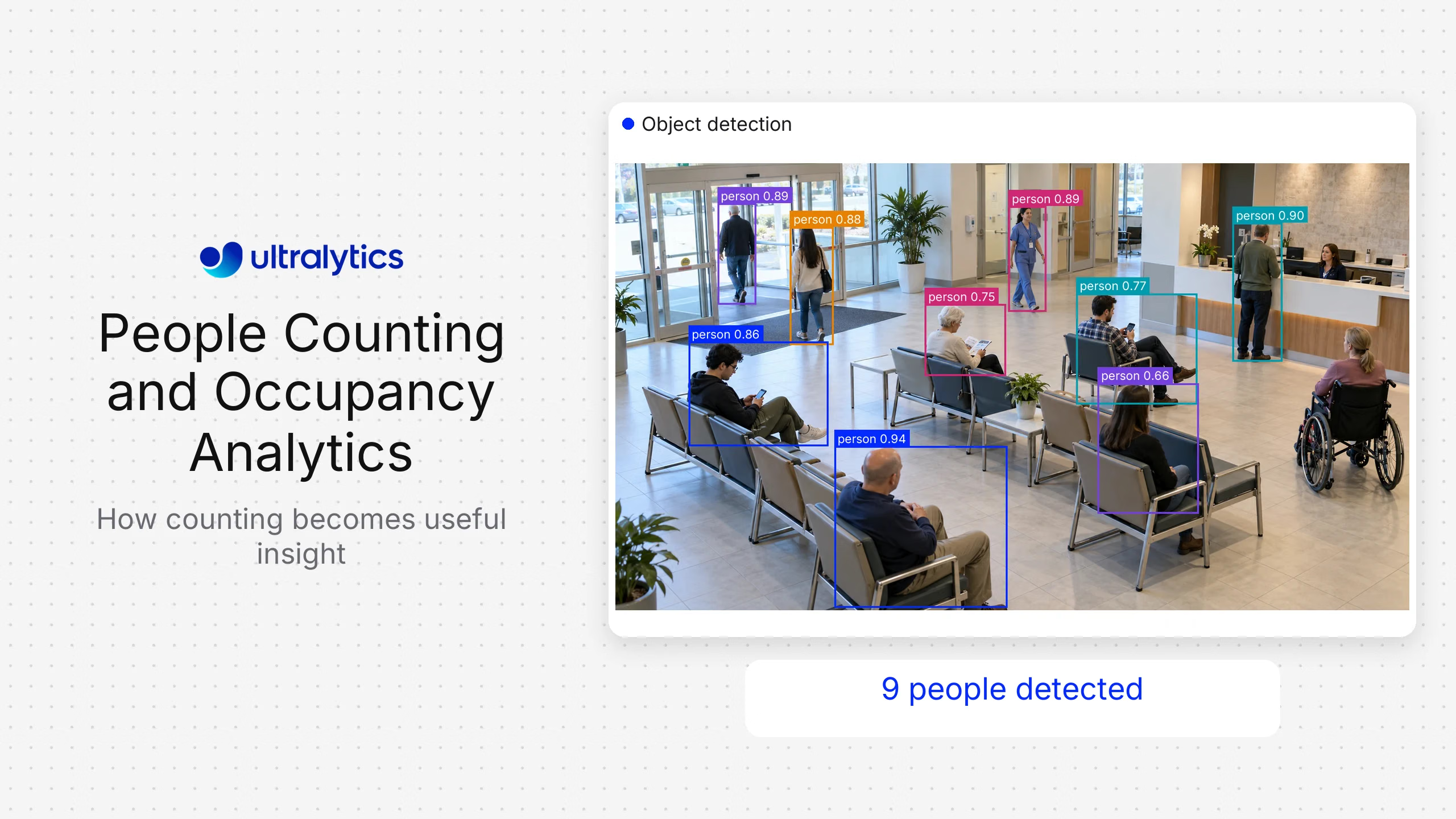
Phần lớn dự án đếm người gặp trục trặc trước cả khi chọn cảm biến, vì “có bao nhiêu người” là bốn phép đo khác nhau và các nhóm thường xác định sai phép đo cần dùng. Số lượt vào trong một ngày, số người đang có mặt, thời gian mỗi người ở lại và số người đang xếp hàng đòi hỏi cách cảm biến, vị trí lắp đặt và độ chính xác khác nhau. Hệ thống đếm lượt vào chính xác có thể báo cáo số người hiện diện không chính xác, còn hệ thống được tinh chỉnh để đo số người hiện diện có thể bỏ sót hoàn toàn những lượt vào ngắn.
Hướng dẫn này phân biệt các phép đo đó, so sánh khách quan các phương pháp cảm biến (WiFi và BLE, tia hồng ngoại, time-of-flight, ảnh nhiệt, stereo và thị giác dựa trên camera), đồng thời đề cập cả các sản phẩm đáng mua lẫn cách các nhóm tự xây dựng hệ thống đếm dựa trên camera bằng model Ultralytics YOLO.
Bốn phép đo, không phải một#
| Phép đo | Câu hỏi cần trả lời | Yêu cầu | Lỗi thường gặp |
|---|---|---|---|
| Lượt vào / lượt khách | Hôm nay có bao nhiêu người đi vào? | Đếm theo hướng tại mỗi lối vào | Tính nhân viên, hàng giao và lượt quay lại là khách tham quan |
| Số người hiện diện | Hiện có bao nhiêu người bên trong? | Đếm chính xác lượt vào và lượt ra, hoặc cảm biến toàn khu vực | Sai số hướng nhỏ tích lũy thành độ lệch lớn trong ngày |
| Thời gian lưu lại | Mọi người đã ở lại bao lâu? | Theo dõi lộ trình trong khu vực mà không xác định danh tính | Mất dấu vết do che khuất rồi đếm trùng khi người đó quay lại |
| Độ dài hàng đợi và thời gian chờ | Có bao nhiêu người đang chờ, và chờ trong bao lâu? | Đếm theo vùng kết hợp đo thời gian | Xác định điểm bắt đầu hàng đợi khi hàng không xếp thành một hàng ngay ngắn |
Số người hiện diện là phép đo khiến các nhóm bất ngờ nhất. Khi tính bằng số lượt vào trừ số lượt ra, mọi sai số đếm đều cộng dồn: một sai số nhỏ về hướng, lặp lại qua từng lượt di chuyển qua cửa, sẽ khiến số đếm sai đáng kể vào giờ đóng cửa. Các hệ thống cần đo số người hiện diện một cách đáng tin cậy sẽ cảm biến trực tiếp toàn khu vực hoặc đặt lại số đếm khi xác định khu vực trống, thường là qua đêm.
So sánh các phương pháp cảm biến#
| Phương pháp | Cách hoạt động | Ưu điểm | Hạn chế | Mức độ riêng tư |
|---|---|---|---|---|
| WiFi / BLE | Phát hiện tín hiệu thiết bị | Phạm vi rộng, không cần lắp đặt trên trần, chi phí thấp tại nơi có AP | Đếm thiết bị chứ không phải người; bỏ sót điện thoại đã tắt hoặc dùng địa chỉ ngẫu nhiên; độ chính xác thấp | Không có hình ảnh; mã định danh thiết bị vẫn là dữ liệu cá nhân trong nhiều chế độ pháp lý |
| Tia hồng ngoại | Tạo tia chắn ngang lối đi | Rất rẻ, đơn giản, tiêu thụ ít điện | Không xác định được hướng nếu không ghép cặp; nhóm người đi ngang hàng bị đếm thành một | Tối thiểu |
| Time-of-flight (ToF) | Cảm biến độ sâu từ phía trên cho một khu vực | Đếm theo hướng chính xác, không bị ảnh hưởng nhiều bởi ánh sáng, hoạt động trong bóng tối | Phạm vi bao phủ cố định, hẹp cho mỗi thiết bị; lối vào rộng cần nhiều thiết bị hơn | Không tạo hình ảnh có thể nhận dạng |
| Ảnh nhiệt | Phát hiện dấu hiệu nhiệt cơ thể | Hoạt động trong bóng tối; vốn dĩ ẩn danh | Hiệu quả giảm khi nhiệt độ môi trường gần với nhiệt độ cơ thể; độ phân giải thấp hơn | Cao — không có hình ảnh nhận dạng được |
| Thị giác stereo | Hai ống kính suy ra độ sâu | Độ chính xác tốt và lọc theo chiều cao để loại trừ trẻ em hoặc xe đẩy | Chi phí thiết bị cao hơn; cần lắp đặt và hiệu chỉnh cẩn thận | Có hình ảnh nhưng thường được xử lý tại chỗ |
| Thị giác dựa trên camera | Model phát hiện và theo dõi trên video | Đếm kèm ngữ cảnh — hàng đợi, khu vực, hướng di chuyển, thời gian lưu lại, lớp đối tượng — bằng những camera bạn có thể đã sở hữu | Nhạy với ánh sáng, che khuất và góc camera; cần năng lực tính toán | Mức độ nhạy cảm cao nhất; cần thiết kế có chủ đích |
Đánh đổi thực sự là giữa ngữ cảnh và sự đơn giản. Cảm biến ToF đặt phía trên cửa làm rất tốt một nhiệm vụ nhưng không cung cấp thông tin nào khác. Thị giác dựa trên camera cung cấp hướng di chuyển, khu vực, thời gian lưu lại, hàng đợi và lớp đối tượng từ cùng một luồng, đổi lại phải xử lý các vấn đề về ánh sáng, che khuất và năng lực tính toán.
Với một lối vào duy nhất, nơi chỉ cần quan tâm đến lượt vào, ToF hướng xuống thường là giải pháp kỹ thuật tốt hơn và giúp trao đổi về quyền riêng tư dễ dàng hơn. Với phân tích nhiều khu vực, hàng đợi hoặc hoạt động đếm cần kết hợp với các phát hiện khác, thị giác là phương pháp có thể mở rộng để đáp ứng yêu cầu.
Những yếu tố thực sự làm giảm độ chính xác của số đếm#
Các con số về độ chính xác của nhà cung cấp thường được đưa ra trong những điều kiện hiếm khi giống với triển khai thực tế. Những yếu tố làm thay đổi độ chính xác trong thực tế:
- Nhóm người và việc đi ngang hàng. Hai người đi sát vai nhau qua cửa rộng là trường hợp điển hình dẫn đến đếm thiếu. Tỷ lệ giữa chiều rộng cửa và vùng bao phủ của cảm biến quan trọng hơn độ chính xác được công bố của cảm biến.
- Che khuất. Xe đẩy, ô, hành lý, kệ trưng bày cao và đám đông che khuất mọi người khỏi bất kỳ phương pháp nào cần tầm nhìn rõ.
- Góc camera. Với việc đếm người, góc nhìn từ trên xuống chính xác hơn nhiều so với góc xiên, vì góc xiên khiến mọi người bị xếp chồng lên nhau trong hình ảnh. Camera an ninh được tận dụng lại và đặt ở góc thấp là nguyên nhân phổ biến nhất khiến kết quả đếm bằng thị giác không như kỳ vọng.
- Ánh sáng. Lối vào bị ngược sáng lúc bình minh và hoàng hôn là trường hợp khó nhất đối với thị giác, cũng như sàn phản chiếu và cửa kính.
- Nấn ná ở ngưỡng cửa. Người đứng ở cửa trò chuyện có thể tạo ra các lượt băng qua lặp lại nếu không có quy tắc duy trì trạng thái.
- Ai được tính là khách. Nhân viên, nhân viên vệ sinh, người giao hàng và người đi ngang thường là nguồn bất đồng lớn nhất giữa hệ thống và kiểm đếm thủ công; đây là vấn đề định nghĩa, không phải vấn đề cảm biến.
- Đếm trùng bằng nhiều camera. Các vùng quan sát chồng lấn sẽ đếm cùng một người hai lần, trừ khi xác định các vùng không chồng lấn hoặc chuyển giao dấu vết giữa các camera.
Dù triển khai giải pháp nào, hãy xác thực bằng cách kiểm đếm thủ công trong những điều kiện bất lợi nhất: giờ cao điểm, ánh sáng kém nhất, lối vào rộng nhất. Độ chính xác trong những điều kiện đó mới là con số quan trọng.
Các sản phẩm đáng cân nhắc nếu bạn định mua#
Nếu mục tiêu là báo cáo lượt khách, dashboard về số người hiện diện hoặc phân tích tỷ lệ chuyển đổi bán lẻ, đây là các sản phẩm đã trưởng thành và thường nên mua giải pháp sẵn có. Ultralytics không phải là lựa chọn thay thế cho các sản phẩm này.
Xovis. Cảm biến thị giác stereo gắn phía trên với độ chính xác cao cho việc đếm người ra vào, quản lý hàng đợi và phân tích khu vực; được triển khai rộng rãi tại sân bay và các cửa hàng bán lẻ lớn. Phù hợp nhất với môi trường mà độ chính xác đếm có ý nghĩa thiết yếu đối với hoạt động. Đánh đổi: cần phần cứng cảm biến cho từng vùng bao phủ, nên các lối vào rộng hoặc nhiều lối vào sẽ làm tăng chi phí.
V-Count. Giải pháp đếm người và phân tích tập trung vào bán lẻ, với lớp nền tảng bao gồm báo cáo lượt khách, số người hiện diện và tỷ lệ chuyển đổi. Phù hợp nhất với chuỗi bán lẻ nhiều địa điểm cần báo cáo sẵn có. Đánh đổi: các tính năng phân tích thiết kế cho bán lẻ khó áp dụng tự nhiên hơn cho môi trường công nghiệp hoặc khuôn viên.
Density. Giải pháp đo số người hiện diện tập trung vào nơi làm việc, sử dụng cảm biến độ sâu ẩn danh riêng và hướng đến các quyết định về bất động sản, mức độ sử dụng không gian. Phù hợp nhất với doanh nghiệp có danh mục văn phòng muốn tối ưu hóa không gian làm việc. Đánh đổi: được xây dựng để giải quyết các vấn đề tại nơi làm việc hơn là tỷ lệ chuyển đổi bán lẻ.
FootfallCam. Phần cứng đếm người cùng công cụ phân tích, có phạm vi bao phủ bán lẻ rộng và nhiều lựa chọn cảm biến. Phù hợp nhất với nhà bán lẻ muốn mua phần cứng và báo cáo từ cùng một nhà cung cấp. Đánh đổi: cần cân nhắc kỹ khi lựa chọn trong danh mục model đa dạng.
RetailNext. Nền tảng phân tích tại cửa hàng, trong đó dữ liệu đếm người phục vụ cho một sản phẩm rộng hơn về trưng bày hàng hóa và hành vi mua sắm. Phù hợp nhất với nhà bán lẻ quan tâm đến hiệu quả hoạt động của cửa hàng chứ không chỉ lưu lượng khách. Đánh đổi: phạm vi nền tảng vượt xa việc đếm người và giá cũng tương xứng.
Sensormatic ShopperTrak. Giải pháp đếm lưu lượng khách bán lẻ và so sánh chuẩn đã có lịch sử lâu năm, với lượng dữ liệu thị trường đáng kể làm nền tảng. Phù hợp nhất với nhà bán lẻ coi trọng các chuẩn so sánh. Đánh đổi: định hướng dành cho bán lẻ doanh nghiệp.
Axis. Các ứng dụng đếm chạy trên camera Axis, hữu ích khi đã có sẵn hệ thống camera Axis và không muốn bổ sung phần cứng. Phù hợp nhất với các tổ chức đã tiêu chuẩn hóa trên Axis. Đánh đổi: bị ràng buộc vào hệ sinh thái camera đó.
Cisco Spaces. Thông tin chuyên sâu về mức độ sử dụng và vị trí được suy ra từ hạ tầng mạng hiện có. Phù hợp nhất với các khuôn viên lớn cần biết mức độ sử dụng mà không lắp thêm cảm biến. Đánh đổi: cảm biến dựa trên thiết bị, với những giới hạn về độ chính xác đi kèm.
Đếm bằng camera trong tòa nhà#
Đếm là một trong những ứng dụng thị giác dễ tiếp cận hơn, vì vậy đây thường là dự án đầu tiên. Việc xây dựng giải pháp này đáng cân nhắc khi đếm là một thành phần của hệ thống lớn hơn (máy móc, robot, nền tảng tại cơ sở, sản phẩm bạn cung cấp), khi số đếm cần kết hợp với các phát hiện mà không sản phẩm nào cung cấp, hoặc khi không thể đưa cảnh quay ra khỏi cơ sở.
Pipeline đã được thiết lập rõ ràng.
Phát hiện người trong từng frame. Các model Ultralytics YOLO (YOLOv8, YOLO11 và YOLO26) đảm nhiệm việc phát hiện người; cùng một model cũng có thể phát hiện các lớp khác mà bạn quan tâm trong cùng lượt xử lý: phương tiện, xe đẩy, xe nâng.
Theo dõi qua các frame. Việc đếm đòi hỏi xác định người trong frame 200 có phải là người trong frame 199 hay không. Các model Ultralytics hỗ trợ tracking, gán ID không định danh và duy trì liên tục qua một chuỗi frame; chất lượng tracking khi bị che khuất ảnh hưởng đến độ chính xác của số đếm nhiều hơn hẳn độ chính xác phát hiện.
Xác định hình học đếm. Dùng một đường để đếm lượt vào và ra theo hướng, hoặc một đa giác để xác định mức độ sử dụng trong một vùng. Hướng được xác định dựa trên phía mà track đi qua đường. Khi nhiều camera bao phủ các khu vực liền kề, hãy xác định các vùng không chồng lấn để một người không bao giờ bị đếm hai lần.
Thêm cơ chế lưu trạng thái và chống kích hoạt lặp. Yêu cầu track được thiết lập trong N frame trước khi tính vào số đếm, đồng thời ngăn một người nán lại tại ngưỡng tạo ra các lượt băng qua lặp lại. Lớp này, chứ không phải model, là nơi mang lại phần lớn cải thiện về độ chính xác.
Chọn mục tiêu triển khai sớm. Suy luận liên tục trên nhiều luồng là một bài toán năng lực xử lý thực sự. Hầu hết ứng dụng đếm không cần mọi frame: hãy thiết lập frame rate dựa trên tốc độ một người có thể đi qua đường đếm, chứ không phải tốc độ camera có thể cung cấp. Các model Ultralytics có thể xuất sang những định dạng như ONNX và TensorRT để chạy trên phần cứng biên đặt cạnh camera, đồng thời giữ video tại chỗ.
Huấn luyện trên cảnh quay của chính bạn. Model tổng quát xử lý tốt hình ảnh người; lối vào cụ thể của bạn lúc bình minh, với cửa kính và sàn phản chiếu, mới là yếu tố quyết định độ chính xác trong môi trường production. Ultralytics Platform có thể chú thích cảnh quay đó bằng Smart Annotation dựa trên SAM và huấn luyện model trên dữ liệu đó trong cùng một workflow.
Đối chiếu với số đếm thủ công vào giờ cao điểm nhất và trong điều kiện ánh sáng kém nhất, đồng thời xác thực lại sau mỗi lần di chuyển camera.
Nếu tích hợp tính năng đếm vào sản phẩm thương mại hoặc hệ thống độc quyền, lưu ý rằng các model Ultralytics YOLO được cung cấp theo AGPL-3.0 và những triển khai như vậy thường cần giấy phép Ultralytics Enterprise, đồng thời giấy phép này cũng bao gồm triển khai riêng tư. Hãy giải quyết vấn đề đó trước khi pilot trở thành một tính năng được phát hành.
Quyền riêng tư: hệ thống đếm không nên nhận diện bất kỳ ai#
Đếm là một trong số ít ứng dụng camera có thể thực sự bảo vệ quyền riêng tư ngay từ khâu thiết kế; làm như vậy cũng giúp giải quyết phần lớn phản đối trước khi chúng được nêu ra.
Không phương pháp nào được mô tả ở đây cần nhận diện cá nhân. Số lượt vào, mức độ sử dụng, thời gian lưu lại và độ dài hàng đợi đều hoạt động dựa trên các phát hiện ẩn danh và track không định danh, chỉ tồn tại khi một người ở trong frame. Ultralytics không cung cấp model để nhận diện khuôn mặt; việc tích hợp nhận diện vào hệ thống đếm làm tăng đáng kể rủi ro pháp lý mà không cải thiện bất kỳ phép đo nào trong số này.
Các lựa chọn thiết kế giúp duy trì điều đó:
- Xử lý tại chỗ và chỉ lưu số đếm. Nếu đầu ra là một con số theo từng khoảng thời gian, hãy giữ lại con số và loại bỏ các frame. - Không lưu ID track vượt quá phạm vi quan sát. Track kết thúc ở rìa frame thì nên kết thúc tại đó. Nhận diện lại cùng một người qua nhiều camera hoặc nhiều lần ghé thăm là một hệ thống khác biệt đáng kể, với các nghĩa vụ cũng khác biệt đáng kể. - Tổng hợp theo khoảng thời gian thay vì ghi nhật ký từng sự kiện, khi trường hợp sử dụng cho phép. - Đăng thông báo, và khi ở nơi làm việc, hãy tham vấn đại diện người lao động: đây là yêu cầu tại phần lớn EU và là thông lệ tốt ở mọi nơi. - Ưu tiên cảm biến vốn dĩ ẩn danh khi chỉ cần số đếm. Nếu ToF hoặc ảnh nhiệt trả lời được câu hỏi, việc trao đổi sẽ dễ dàng hơn. - Ghi lại mục đích của từng camera, giúp việc đánh giá bảo vệ dữ liệu trở nên đơn giản.
Lưu ý rằng "không có camera" không tự động đồng nghĩa với "riêng tư hơn". Hệ thống đếm WiFi và BLE sử dụng mã định danh thiết bị, vốn là dữ liệu cá nhân theo GDPR trong nhiều trường hợp; trong khi đó, cảm biến nhiệt chỉ tạo ra số đếm thì hoàn toàn không xử lý dữ liệu cá nhân. Hãy đánh giá phương pháp dựa trên dữ liệu được lưu giữ, chứ không phải việc phương pháp đó có sử dụng ống kính hay không.
Câu hỏi thường gặp
Đối với phân tích lưu lượng khách và tỷ lệ chuyển đổi bán lẻ: V-Count, RetailNext, ShopperTrak và FootfallCam. Đối với đếm lối vào và hàng đợi với độ chính xác cao: Xovis. Đối với mức độ sử dụng nơi làm việc và hiệu suất sử dụng không gian: Density, hoặc Cisco Spaces khi cảm biến dựa trên mạng là đủ. Đối với đếm như một thành phần của hệ thống bạn đang xây dựng, thị giác dựa trên camera với các model Ultralytics YOLO thường là lựa chọn phù hợp.
Cảm biến lắp trên cao, đo thời gian bay hoặc thị giác stereo thường cho độ chính xác cao nhất khi đếm lối vào, vì góc nhìn từ trên xuống phần lớn loại bỏ hiện tượng người che khuất lẫn nhau. Thị giác dựa trên camera đạt độ chính xác tương đương khi camera lắp trên cao và suy giảm rõ rệt ở góc xiên. WiFi và BLE kém chính xác nhất vì đếm thiết bị thay vì con người.
Độ chính xác gần như phụ thuộc hoàn toàn vào góc camera, ánh sáng và mật độ đám đông, chứ không phải model. Camera lắp trên cao trong điều kiện ánh sáng đồng đều cho kết quả rất khác với camera an ninh được tận dụng lại, đặt ở góc thấp phía trên lối vào bằng kính ngược sáng. Hãy đối chiếu với số đếm thủ công vào giờ cao điểm nhất thay vì dựa vào bất kỳ số liệu đã công bố nào.
Thường là có, nhưng cần lưu ý: camera được bố trí để đảm bảo an ninh thường hướng vào khuôn mặt và các khu vực rộng, tức là gần với hình học tệ nhất cho việc đếm. Hãy kỳ vọng kết quả đủ dùng để theo dõi xu hướng mức độ sử dụng theo vùng, nhưng kém tin cậy hơn khi cần đếm chính xác số lượt vào. Lắp thêm một camera trên cao tại lối vào thường hiệu quả hơn tinh chỉnh model với góc đặt không phù hợp.
Không. Tất cả phép đo ở đây (số lượt vào, mức độ sử dụng, thời gian lưu lại, độ dài hàng đợi) đều hoạt động dựa trên các phát hiện người ẩn danh cùng track không định danh, chỉ tồn tại khi có người trong frame. Việc bổ sung nhận diện làm tăng rủi ro pháp lý mà không cải thiện số đếm.
Có thể đếm lượt vào và ra theo hướng rồi duy trì tổng số liên tục, hoặc cảm biến trực tiếp toàn bộ khu vực. Cách thứ nhất rẻ hơn và sai số tích lũy trong ngày, do đó cần định kỳ đặt lại về trạng thái đã biết là không có người. Cách thứ hai ổn định hơn nhưng đòi hỏi bao phủ toàn bộ không gian.
Nguyên nhân thường gặp nhất là khác biệt về định nghĩa chứ không phải cảm biến: nhân viên, người giao hàng, nhân viên vệ sinh và người đi ngang qua mà không dừng lại. Hãy thống nhất thế nào được tính là khách trước khi so sánh số liệu. Sau đó, các nguyên nhân kỹ thuật thường gặp là nhóm người đi ngang hàng, hiện tượng che khuất và các vùng camera chồng lấn dẫn đến đếm trùng.
Hãy mua nếu yêu cầu là báo cáo lưu lượng khách hoặc mức độ sử dụng. Các sản phẩm hiện đã hoàn thiện, còn tổng chi phí xây dựng lớp báo cáo thường xuyên bị đánh giá thấp. Hãy tự xây dựng khi đếm là một thành phần của hệ thống lớn hơn, khi cần kết hợp với các phát hiện mà không sản phẩm nào cung cấp, hoặc khi video không thể rời khỏi cơ sở.