Ultralytics YOLO27: 加入候补名单。
获取 YOLO 许可
Press release

Ultralytics YOLO26 to Bring Real-Time Computer Vision to Intel Processors

Ultralytics and Intel bring YOLO26 to Intel processors with OpenVINO, with sub-5 ms inference reported in supported CPU and GPU scenarios.

3 分钟阅读
Ultralytics and Intel bring YOLO26 to Intel processors with OpenVINO, with sub-5 ms inference reported in supported CPU and GPU scenarios.

SANTA CLARA, Calif. – July 14, 2026 – Ultralytics, the company behind the YOLO family of object detection models, today announced a collaboration with Intel to bring production-ready YOLO (You Only Look Once) computer vision models to Intel hardware, making real-time vision AI faster, easier, and more cost-effective to deploy across industries from robotics to manufacturing, logistics, and security.

Most real-world vision AI technologies run on existing, CPU-based infrastructures including industrial PCs, laptops and edge devices. By pairing Ultralytics YOLO models with OpenVINO Toolkit, developers can deploy YOLO models across various platforms powered by any Intel processor, putting the compute where appropriate: CPU, GPU, or NPU.

The result is faster, more cost-effective, and more accessible computer vision for the industries that need it most. The collaboration meets AI where it actually ships, resulting in faster inference in supported CPU/GPU scenarios, with sub-5-millisecond inference reported across YOLO tasks on Intel hardware, reducing latency and deployment costs.

"Enterprises train in the data center, but the real work of vision AI happens at the edge, on factory floors, in retail, in robotics-running on Intel CPUs and NPUs," said Glenn Jocher, Founder and CEO of Ultralytics. "This collaboration means developers get state-of-the-art models like YOLO26 running production-ready on the hardware they already own, eliminating the need for a discrete GPU."

The collaboration also cuts friction for developers, who can train and export their applications to OpenVINO and deploy them with the same familiar Ultralytics Platform or Python package and command line interface, often with a single command. This single workflow supports use cases in a variety of industries, including:

  • Manufacturing: quality inspection, defect detection and process monitoring on factory-floor industrial PCs
  • Logistics: parcel/asset detection, counting and tracking
  • Security: monitoring analytics (people/object detection) plus privacy/compliance monitoring
  • Retail: shelf availability and inventory intelligence, including detecting SKUs, labels and shelf stock to monitor availability, planogram compliance and stock movement; real-time product recognition, including detecting, segmenting or tracking retail products for mobile applications, smart stores and e-commerce.
  • Healthcare: internal imaging workflow improvement, annotation workflow, model validation and internal research-to-production workflows.
  • Robotics: real-time perception on compact, power-efficient Intel hardware
  • Smart cities: scalable vision on distributed edge infrastructure
  • Edge AI broadly: bringing advanced vision to devices that use integrated AI acceleration already available on the SoC

“Extending Intel's AI PC and physical AI platforms with leading open vision models helps developers deploy applications with real-world efficient AI inferencing on processors with AI acceleration built right in. This ensures that some of the industry’s top models are optimized for the latest Intel Core Ultra processors and beyond,” said Matthew Formica, Intel Senior Director & Global Head of Edge Technical Marketing. “We are excited to partner with Ultralytics to build on this momentum.”

About Ultralytics#

Founded by Glenn Jocher, Ultralytics is the leading force in vision AI, best known for its Ultralytics YOLO (You Only Look Once) models. With over 135K GitHub stars, 300 million pip downloads, and 3.3+ billion model usages, Ultralytics YOLOv5, YOLOv8, YOLO11, and now YOLO26 have become the most widely recognized object detection models globally. Ultralytics empowers users with easy-to-use, cutting-edge AI technology. Our mission is to simplify and democratize the use of AI, making it accessible and impactful across industries ranging from manufacturing to healthcare and more.

©Intel, the Intel logo, and other Intel marks are trademarks of Intel Corporation or its subsidiaries.

Media Contact: Altaïr Kabunda-Margalet - altair@ultralytics.com
来自博客

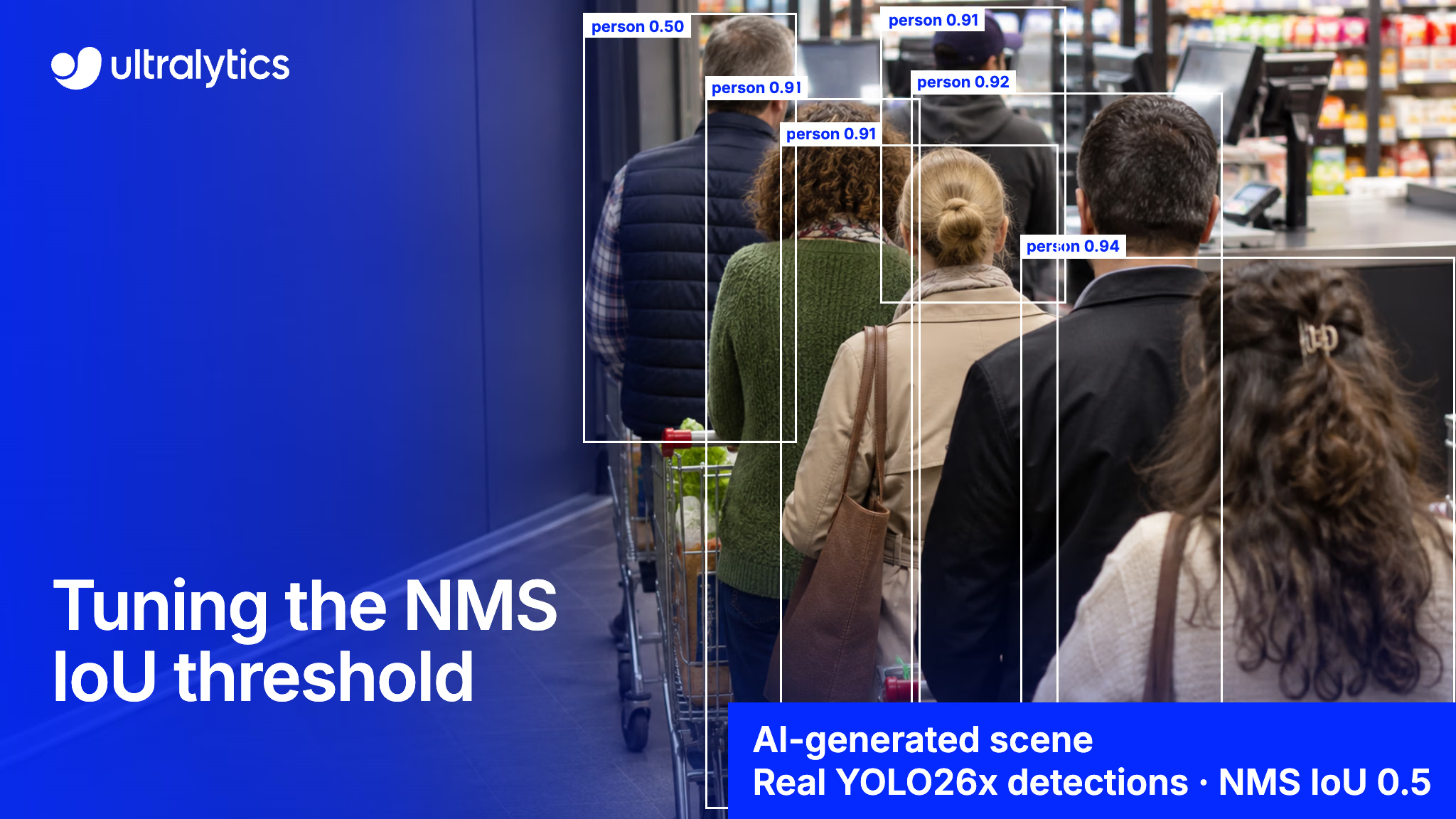
AI-generated supermarket checkout queue seen from behind, with overlapping person boxes from real Ultralytics YOLO26x detections at an NMS IoU threshold of 0.5

How to tune the NMS IoU threshold in Ultralytics YOLO

Tune the NMS IoU threshold in Ultralytics YOLO: why prediction now defaults to 0.5, when to change iou vs. conf, and when to skip NMS with YOLO26.
了解详情
AI-generated aerial view of a car park that changes from 3D wireframe to photo, with real Ultralytics YOLO26 car detections at each stage

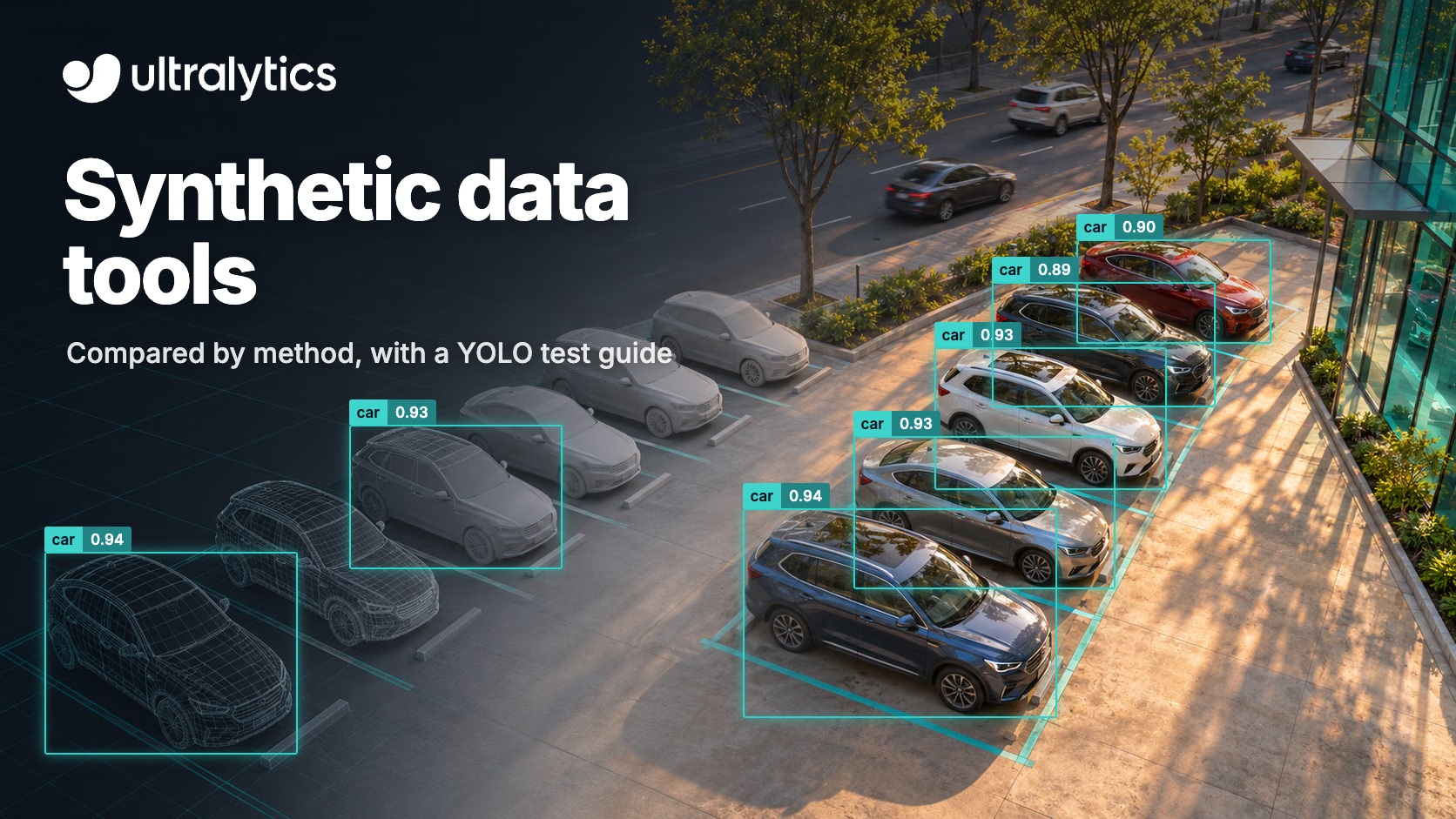
最适合计算机视觉训练的合成数据工具

按方法比较计算机视觉合成数据工具:3D 仿真、生成模型和数据增强,以及如何使用 Ultralytics YOLO 测试它们。
了解详情
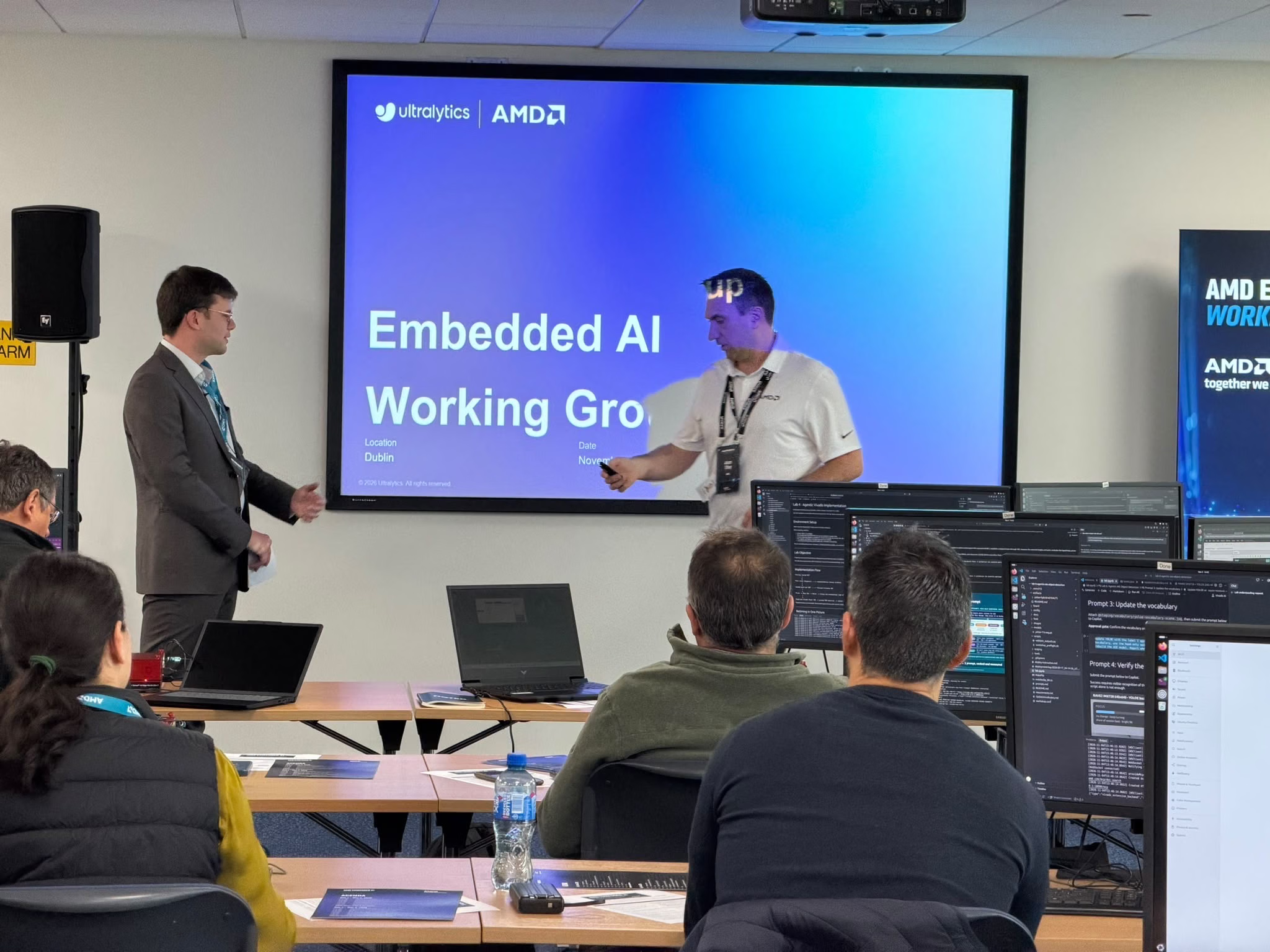
Ultralytics 参加都柏林 AMD 嵌入式 AI 工作组活动

Ultralytics 参加都柏林 AMD 嵌入式 AI 工作组活动

了解 Ultralytics 和 AMD 如何在 2026 年都柏林 AMD 嵌入式 AI 工作组活动中探索 Physical AI、机器人技术和计算机视觉部署。
了解详情
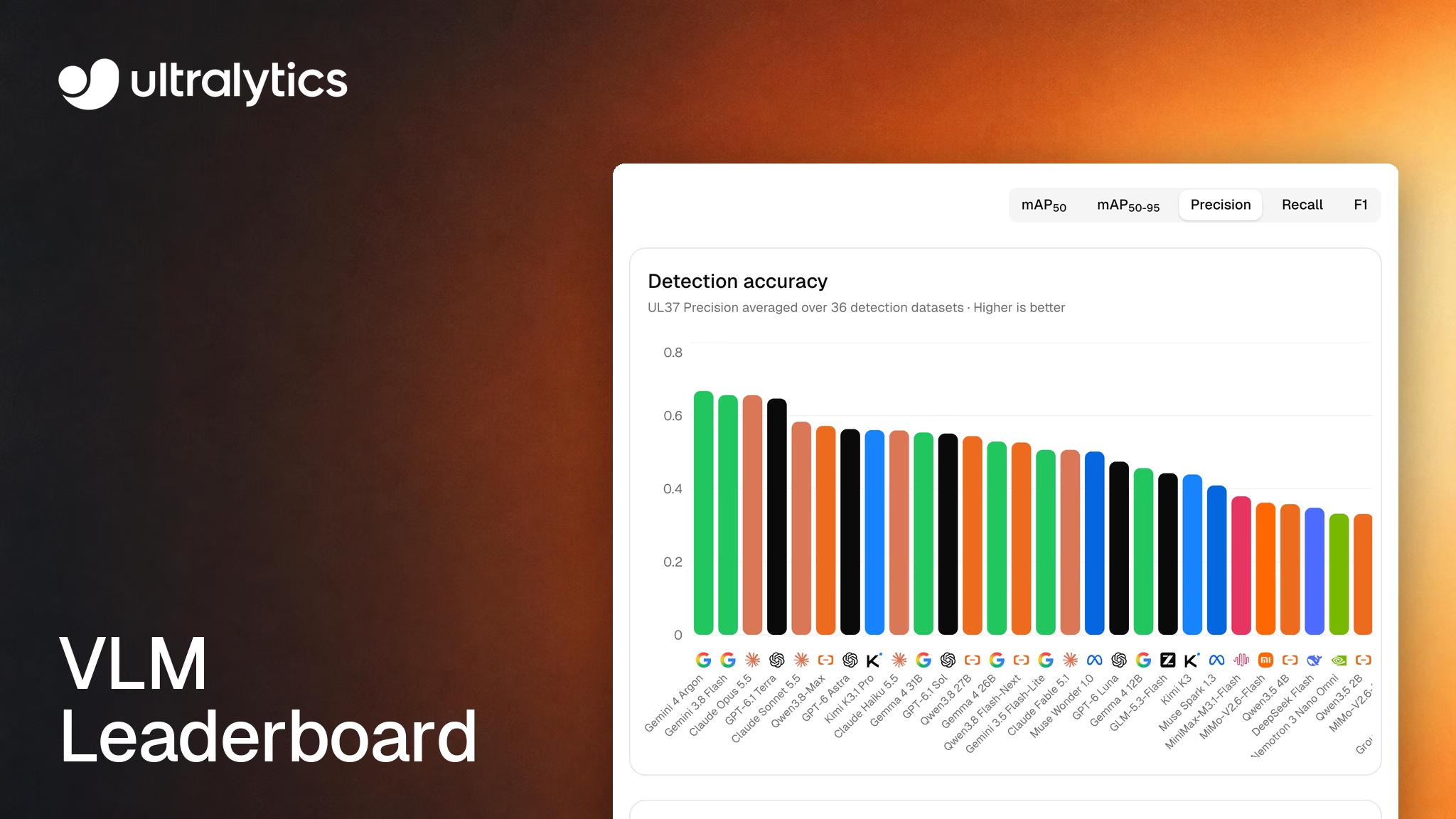
如何使用精确率和召回率选择自动标注 VLM

如何使用精确率和召回率选择自动标注 VLM

根据精确率和召回率选择用于自动标注的 VLM:哪些模型产生的多余框更少、漏检的目标更少,以及如何在自己的数据上进行测试。
了解详情
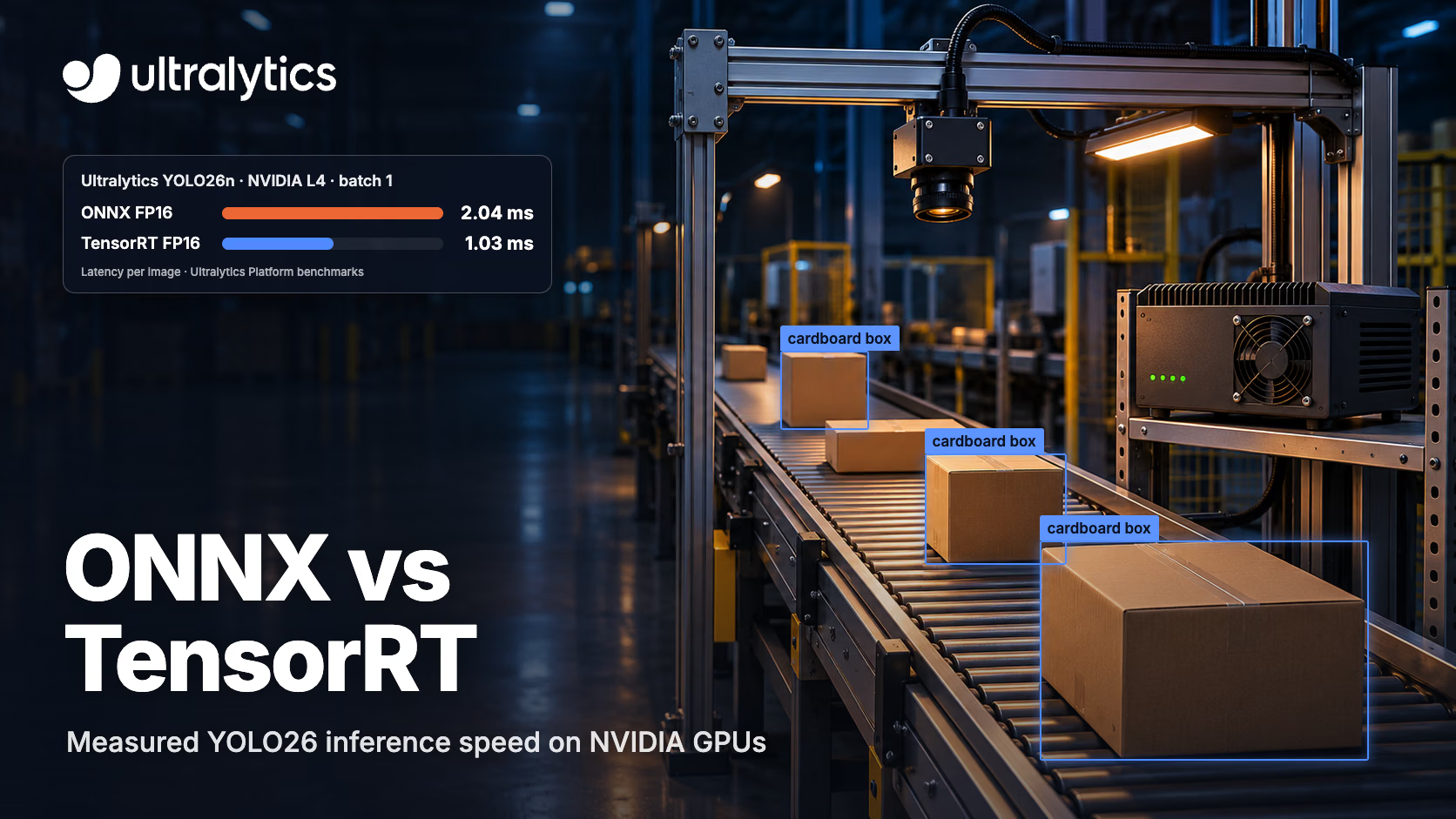
AI-generated logistics scene with illustrative detections; the inset shows Ultralytics Platform benchmark latency for YOLO26n on an NVIDIA L4.

计算机视觉推理中的 ONNX 与 TensorRT:基准测试及如何选择

ONNX Runtime 与 TensorRT 在计算机视觉推理中的对比:在 19 款 NVIDIA GPU 上测量 Ultralytics YOLO26 的速度和准确率,以及如何选择。
了解详情
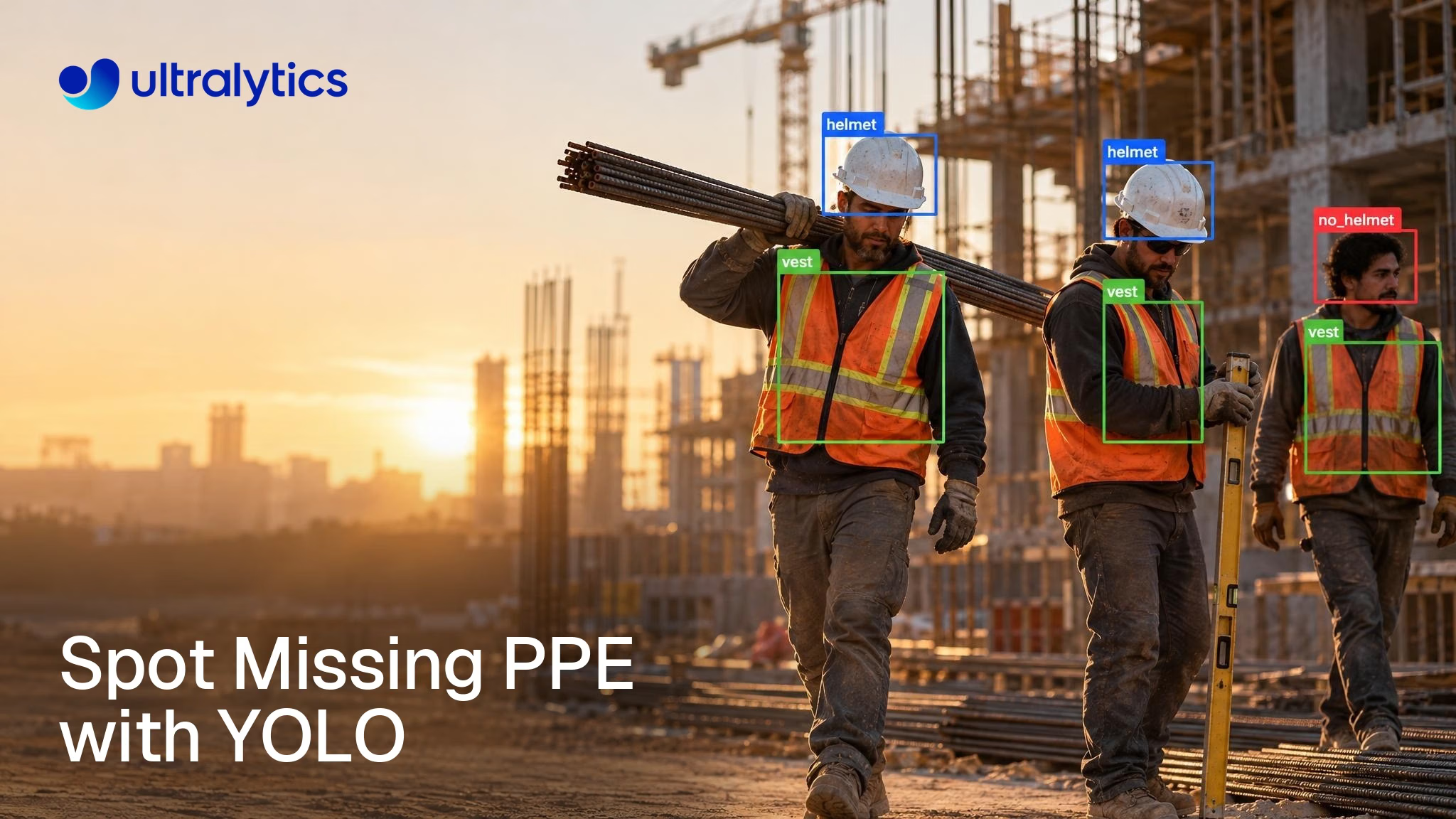
缺失 PPE 检测:使用 Construction-PPE 训练 Ultralytics YOLO

缺失 PPE 检测:使用 Construction-PPE 训练 Ultralytics YOLO

了解 Construction-PPE 如何标注缺失的头盔、背心和手套,然后训练 Ultralytics YOLO,让它在你自己的现场摄像头画面中检测缺失的 PPE。
了解详情
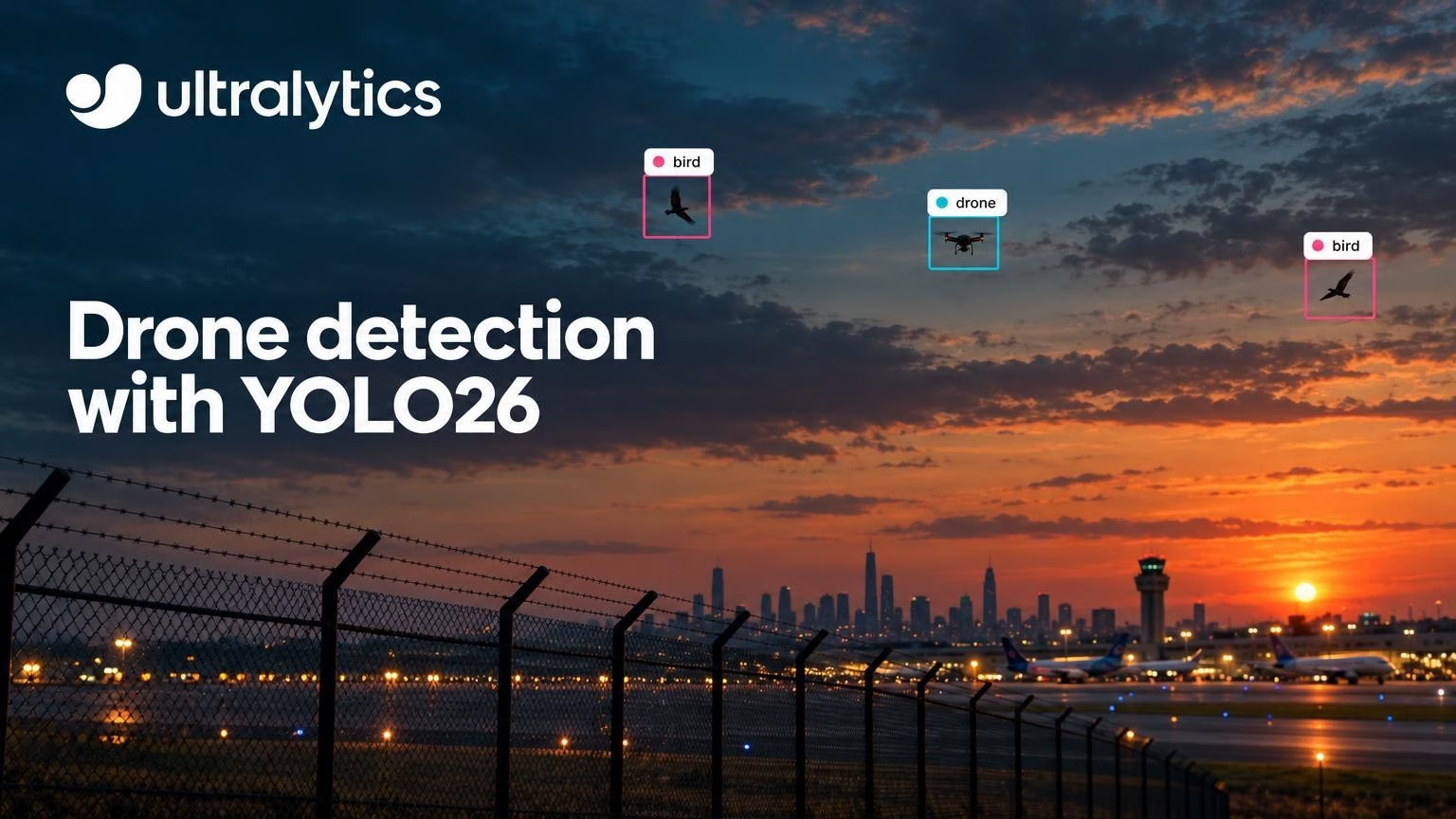
无人机检测数据集指南:使用 Ultralytics YOLO 训练微型无人机检测模型

无人机检测数据集指南:使用 Ultralytics YOLO 训练微型无人机检测模型

比较 DUT Anti-UAV、Drone-vs-Bird 和热成像无人机检测数据集,然后训练 Ultralytics YOLO26 来发现微型无人机并减少误报。
了解详情
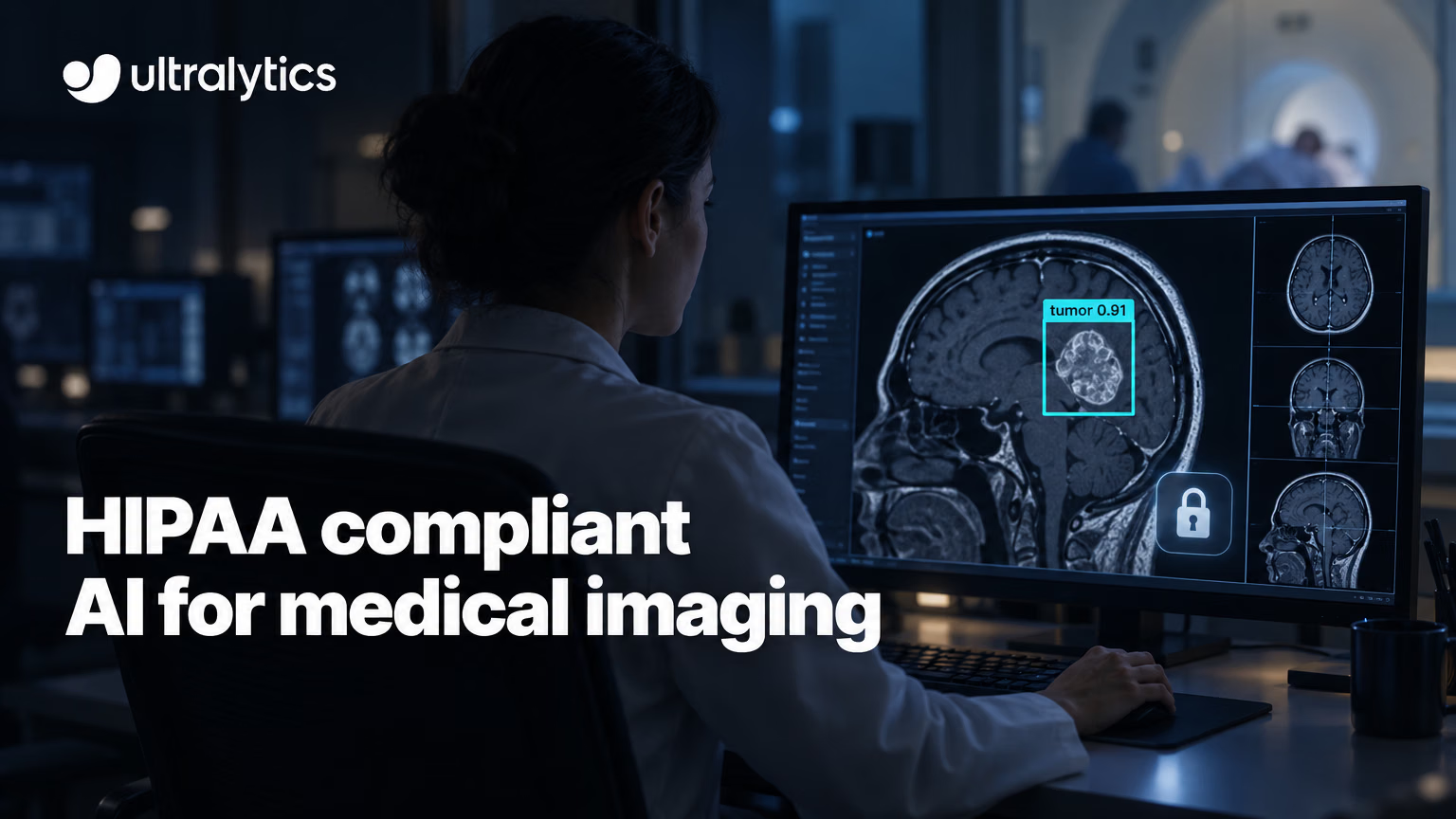
医疗影像领域的 HIPAA 合规 AI:BAA 涵盖哪些内容,以及如何使用患者数据训练

医疗影像领域的 HIPAA 合规 AI:BAA 涵盖哪些内容,以及如何使用患者数据训练

了解医疗影像领域的 HIPAA 合规 AI 有哪些要求、Ultralytics 的 BAA 涵盖哪些内容,以及如何使用患者数据进行标注、训练和部署。
了解详情
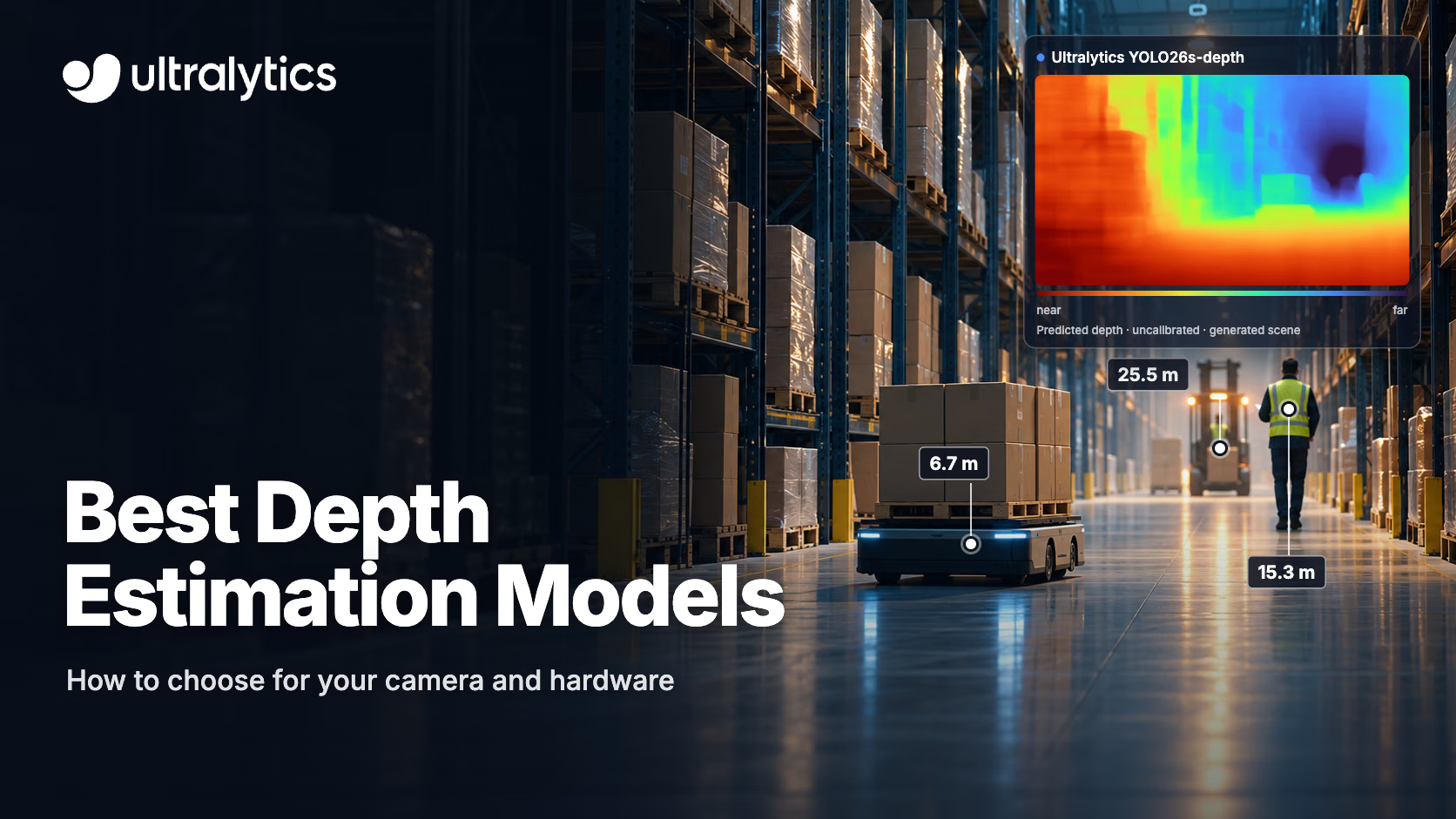
最佳深度估计模型:如何选择

最佳深度估计模型:如何选择

比较 Depth Anything、Depth Pro、Metric3D、UniDepth 和 Ultralytics YOLO26 等单目深度模型,了解它们在度量深度、边缘设备和机器人领域的表现。
了解详情
如何将 Ultralytics YOLO 模型从 W&B 迁移到 Ultralytics Platform

如何将 Ultralytics YOLO 模型从 W&B 迁移到 Ultralytics Platform

将 Ultralytics YOLO 模型从 Weights & Biases (W&B) 导入 Ultralytics Platform,无需重新训练,然后比较实验、导出并部署模型。
了解详情
GPT-6.1 Terra 自动标注排名第一,击败 OpenAI 自家的旗舰模型

GPT-6.1 Terra 自动标注排名第一,击败 OpenAI 自家的旗舰模型

GPT-6.1 Terra 自动标注在我们的 VLM 排行榜上击败了 39 款模型:每 1,000 张图像仅需 $4.36,mAP50 达到 0.560,领先 GPT-6.1 Sol 和 Gemini 4 Argon。
了解详情
MiniMax-M3.1-Flash 自动标注:少一些推理为何能画出更好的框

MiniMax-M3.1-Flash 自动标注:少一些推理为何能画出更好的框

Ultralytics Platform 中的 MiniMax-M3.1-Flash 自动标注:调优后 mAP50 达到 0.317,每 1,000 张图像成本为 $1.84;在 SAR 船舶检测上得分为 0.86。
了解详情
Kimi K3.1 Pro 自动标注:高推理强度下比 K3 好三分之一

Kimi K3.1 Pro 自动标注:高推理强度下比 K3 好三分之一

Kimi K3.1 Pro 自动标注在 UL37 上的 mAP50 得分为 0.444,比 Kimi K3 高出三分之一。了解我们为何以高推理强度运行它、成本如何,以及它在哪些方面表现出色。
了解详情
Ultralytics YOLO 与 NVIDIA Cosmos Data Factory:用于缺陷检测的合成数据

Ultralytics YOLO 与 NVIDIA Cosmos Data Factory:用于缺陷检测的合成数据

NVIDIA Cosmos Data Factory 合成数据和智能体训练循环,助力 Ultralytics YOLO26 以更少的标注达到完整数据集的缺陷检测准确率。
了解详情
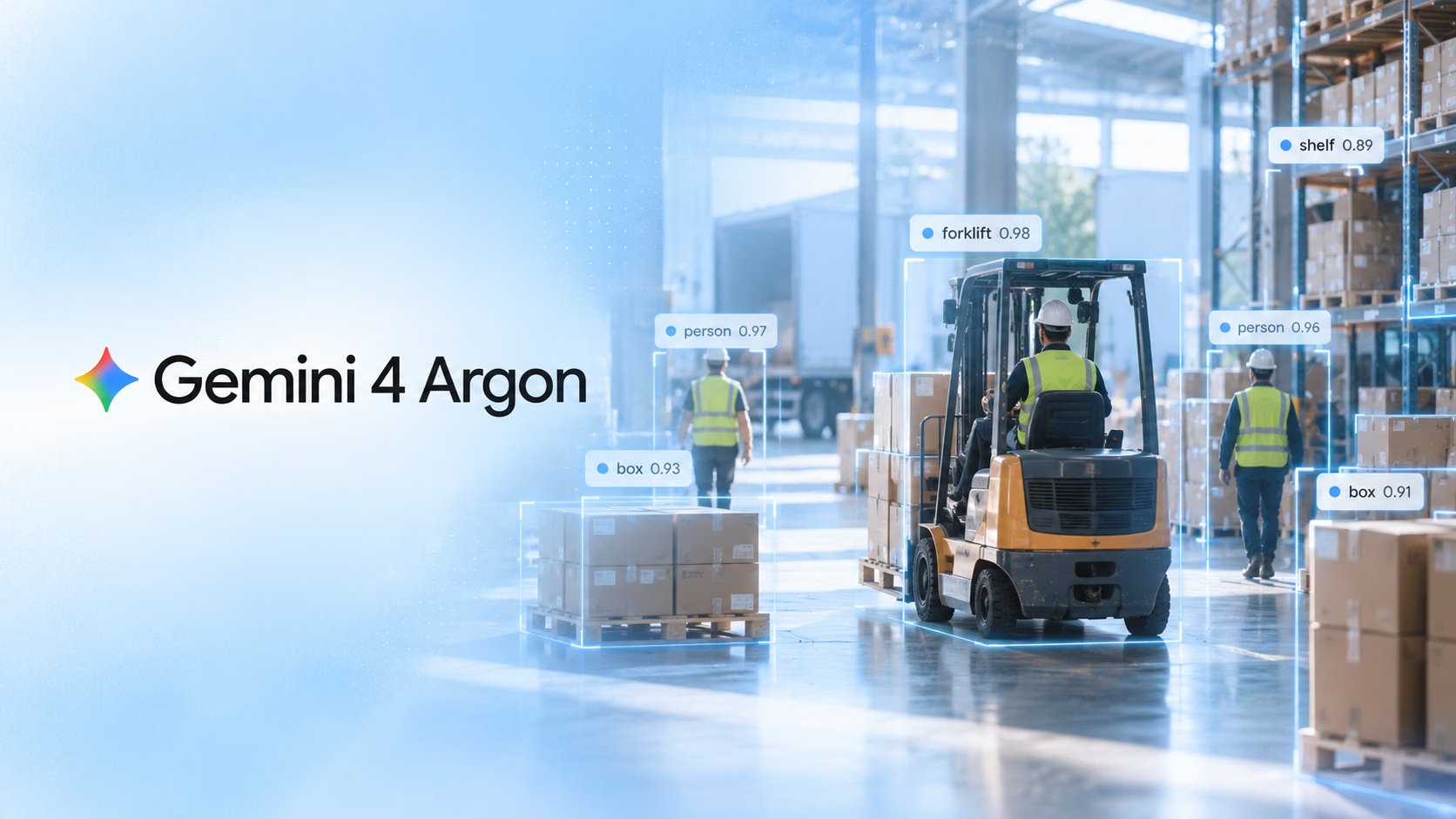
Gemini 4 Argon 自动标注:39 个模型中定位框最精确

Gemini 4 Argon 自动标注:39 个模型中定位框最精确

Ultralytics Platform 中的 Gemini 4 Argon 自动标注:39 个模型中排名第 #2,精确率最高(0.667),在 12 个领域中的 6 个领域排名第一;截至 11 月 30 日,每 1,000 张图像成本为 $7.60。
了解详情
开放计算,开放视觉:AMD 亮相 Ultralytics YOLO Vision 2026

开放计算,开放视觉:AMD 亮相 Ultralytics YOLO Vision 2026

了解 AMD 如何通过 ROCm 演讲、实践研讨会和在 AMD Radeon GPU 上运行 YOLO 的演示,在 Ultralytics YOLO Vision 2026 上推动开放计算。
了解详情
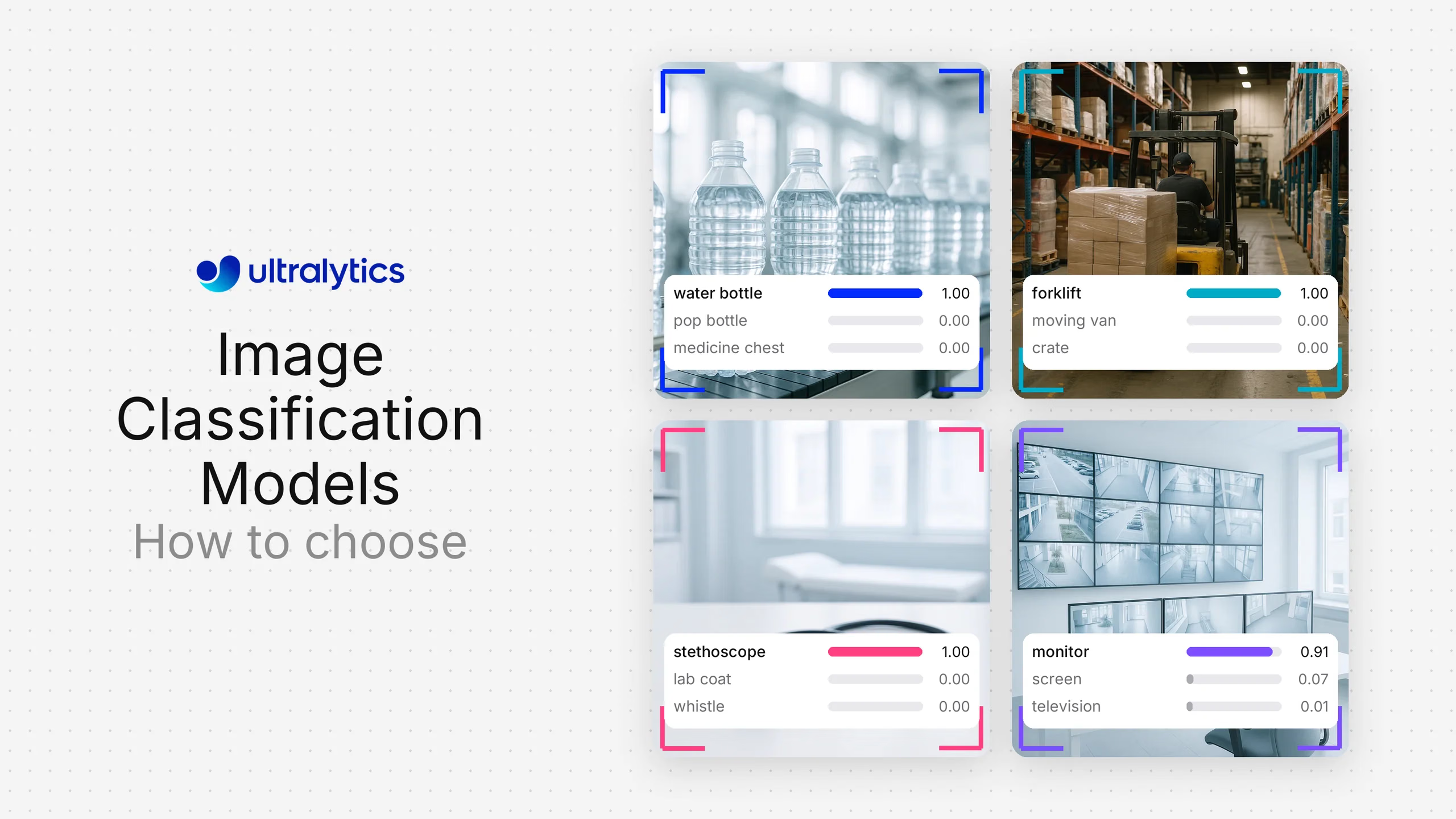
最佳图像分类模型:如何选择

最佳图像分类模型:如何选择

比较主流图像分类模型,从 ConvNeXt V2 和 DINOv3 到 EfficientNetV2、ViT 和 Ultralytics YOLO26-cls,并了解如何选择。
了解详情
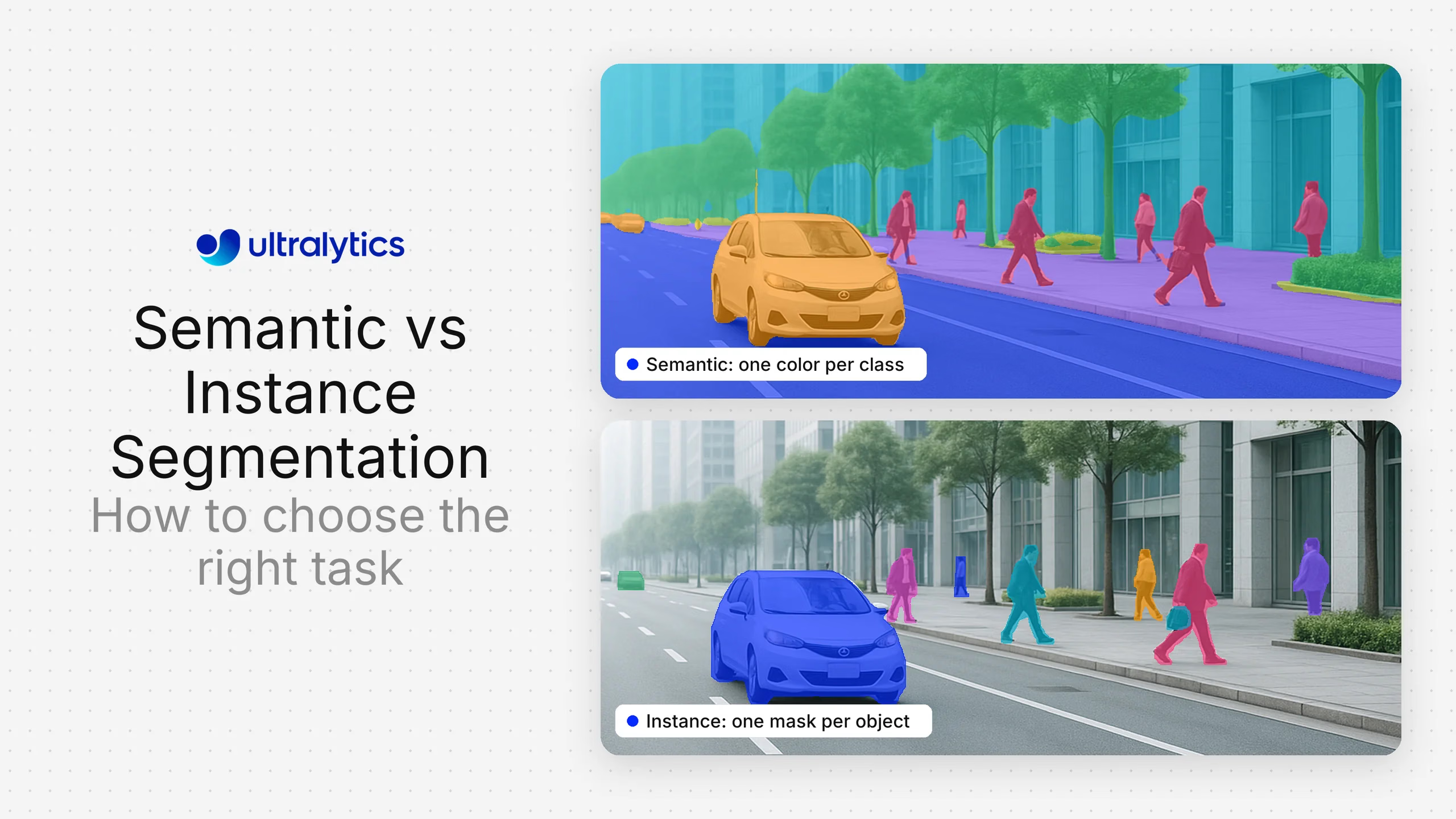
语义分割与实例分割:如何选择合适的任务

语义分割与实例分割:如何选择合适的任务

语义分割为每个像素标注类别;实例分割则区分每个对象。了解你的计算机视觉项目需要哪种任务,以及原因。
了解详情
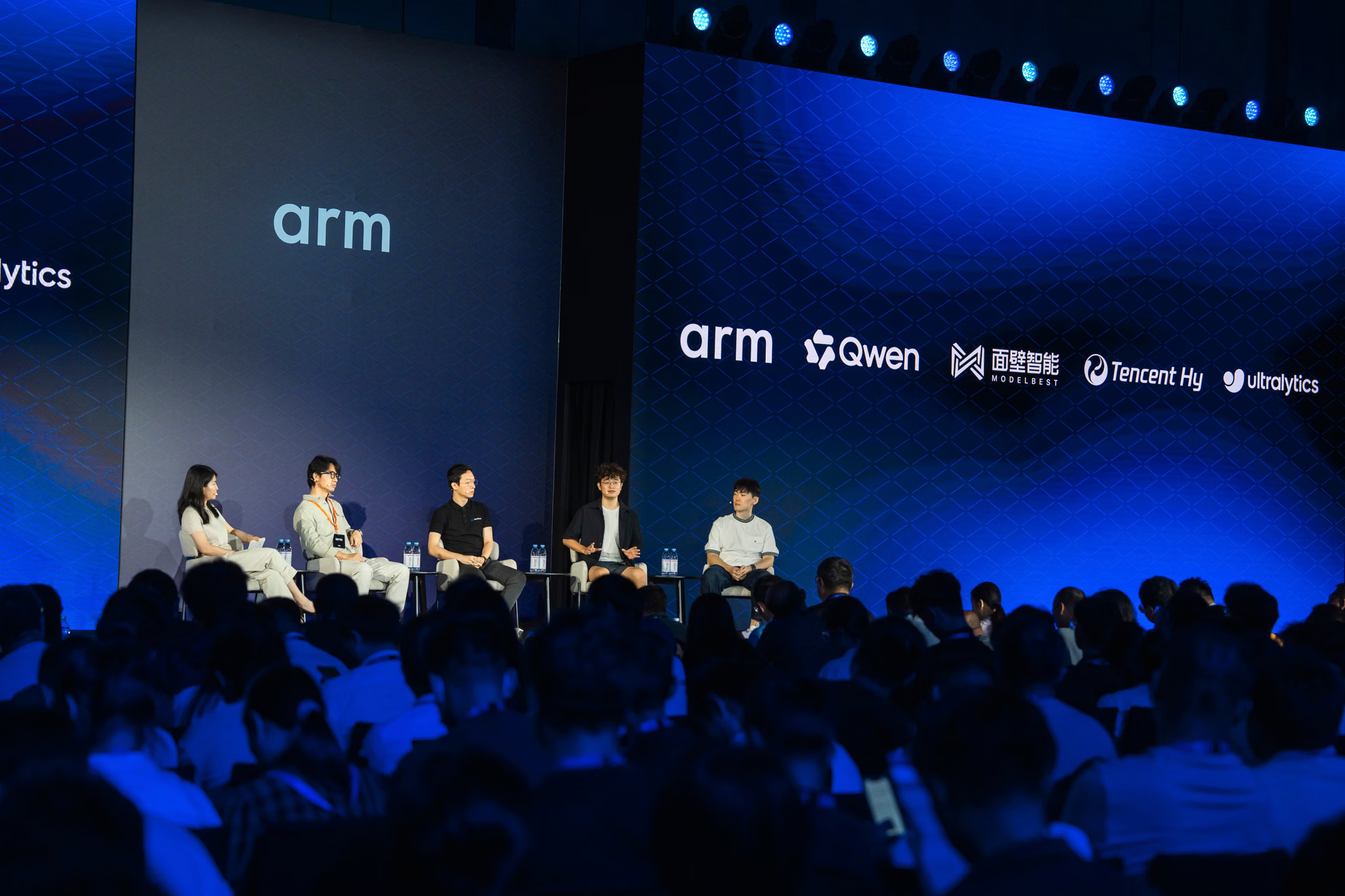
Ultralytics 亮相 Arm Create 2026:边缘设备上的实时视觉 AI

Ultralytics 亮相 Arm Create 2026:边缘设备上的实时视觉 AI

Ultralytics 亮相 2026 年深圳 Arm Create:部署 Ultralytics YOLO 实现实时边缘 AI、模型专题讨论,以及全新的 Arm AI Portal。
了解详情
Ultralytics 线下聚会:伦敦

Ultralytics 线下聚会:伦敦

回顾 Ultralytics 伦敦线下聚会:首次展示 YOLO27、Ultralytics Platform 演示,以及与 NVIDIA 和 Arm 参与的视觉 AI 专题讨论。
了解详情
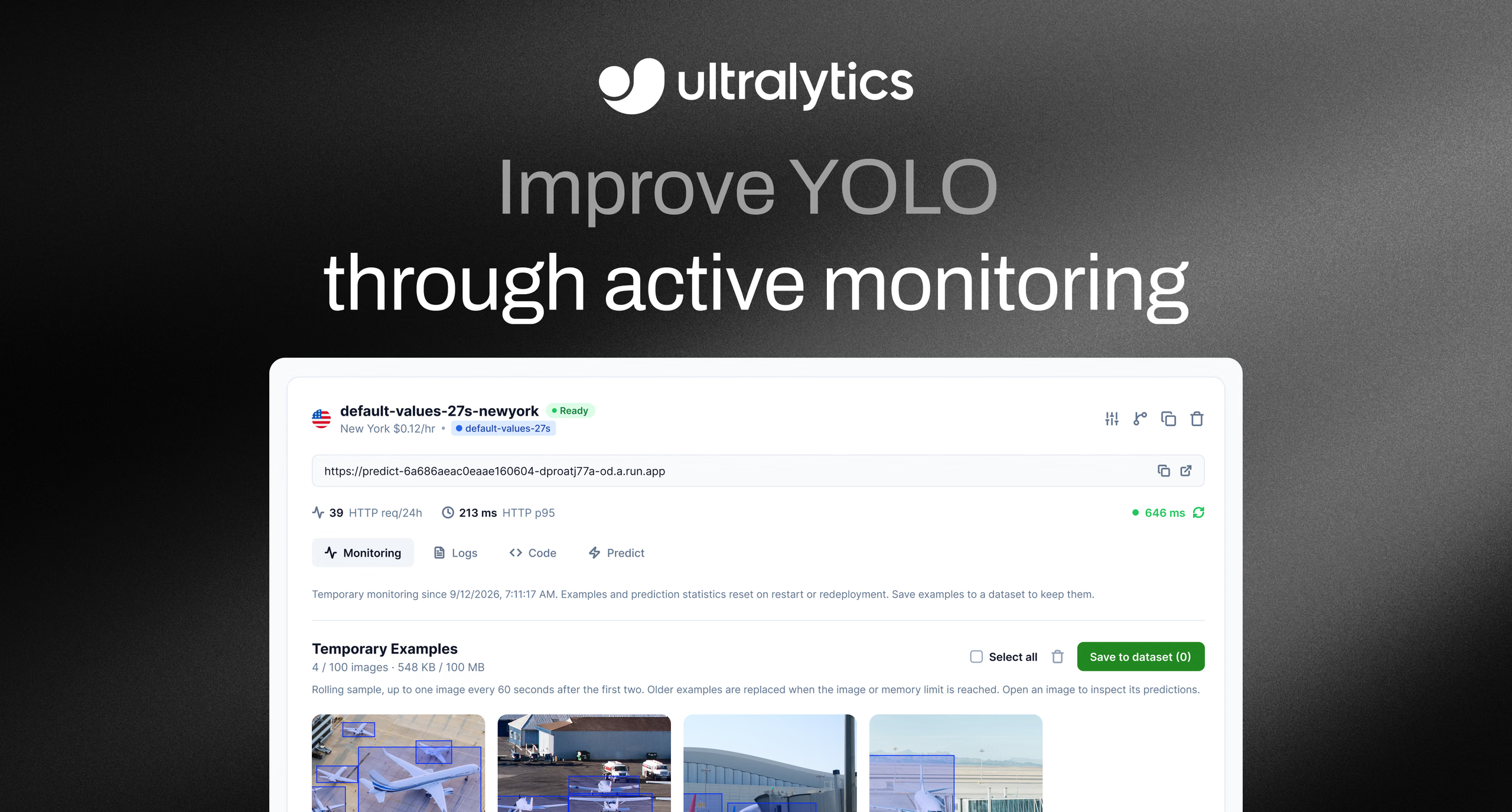
Ultralytics Platform 监控:确保视觉 AI 部署顺利运行

Ultralytics Platform 监控:确保视觉 AI 部署顺利运行

使用 Ultralytics Platform 监控已部署的视觉 AI 模型。跟踪端点运行状况、延迟、错误、日志和实时预测统计信息。
了解详情
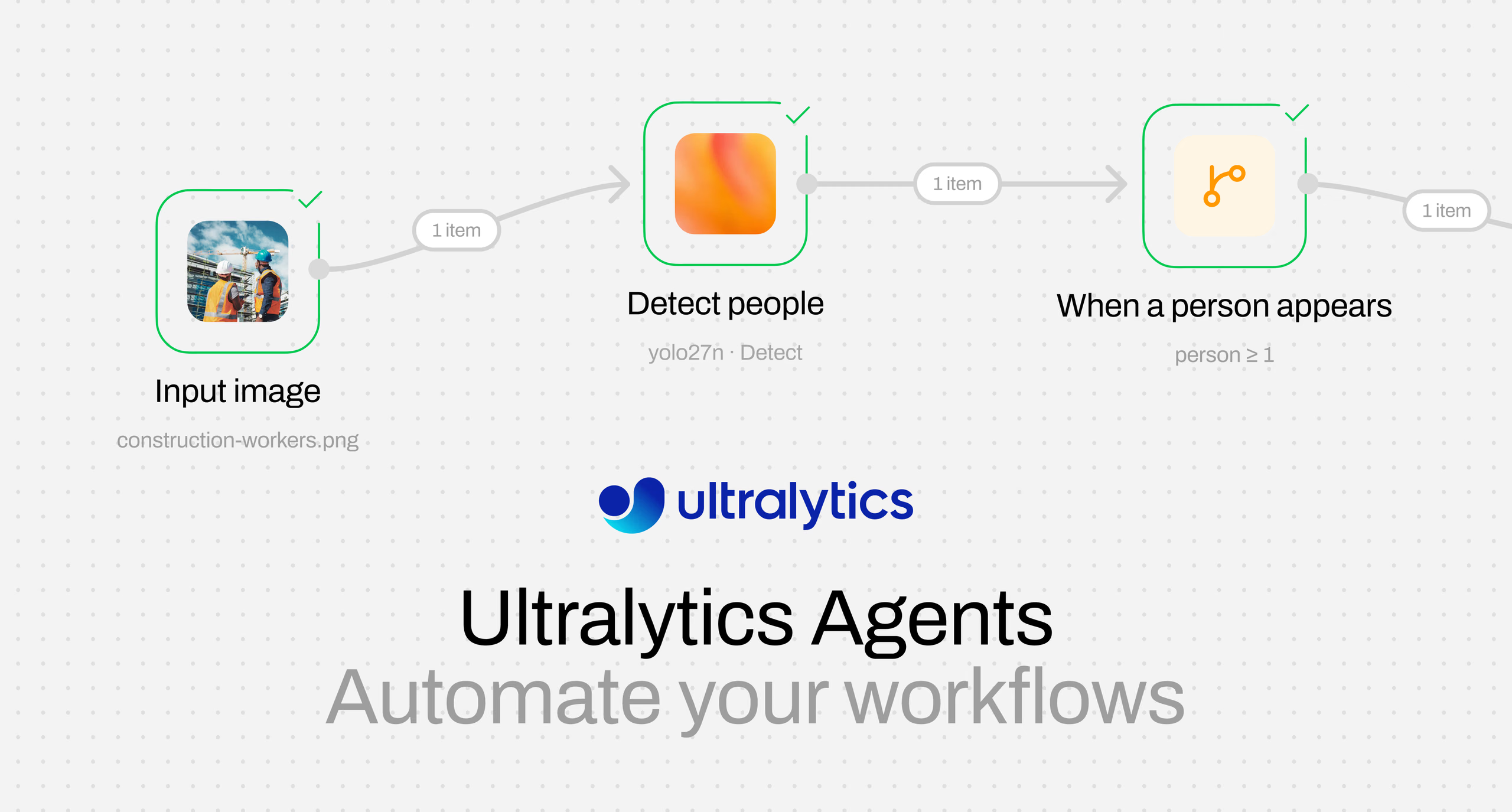
推出 Ultralytics Agents:更快构建视觉 AI 工作流

推出 Ultralytics Agents:更快构建视觉 AI 工作流

使用 Ultralytics Agents 构建视觉 AI 工作流。在同一画布上连接 YOLO 模型、视觉语言模型、条件、数据集和 Slack 提醒。
了解详情
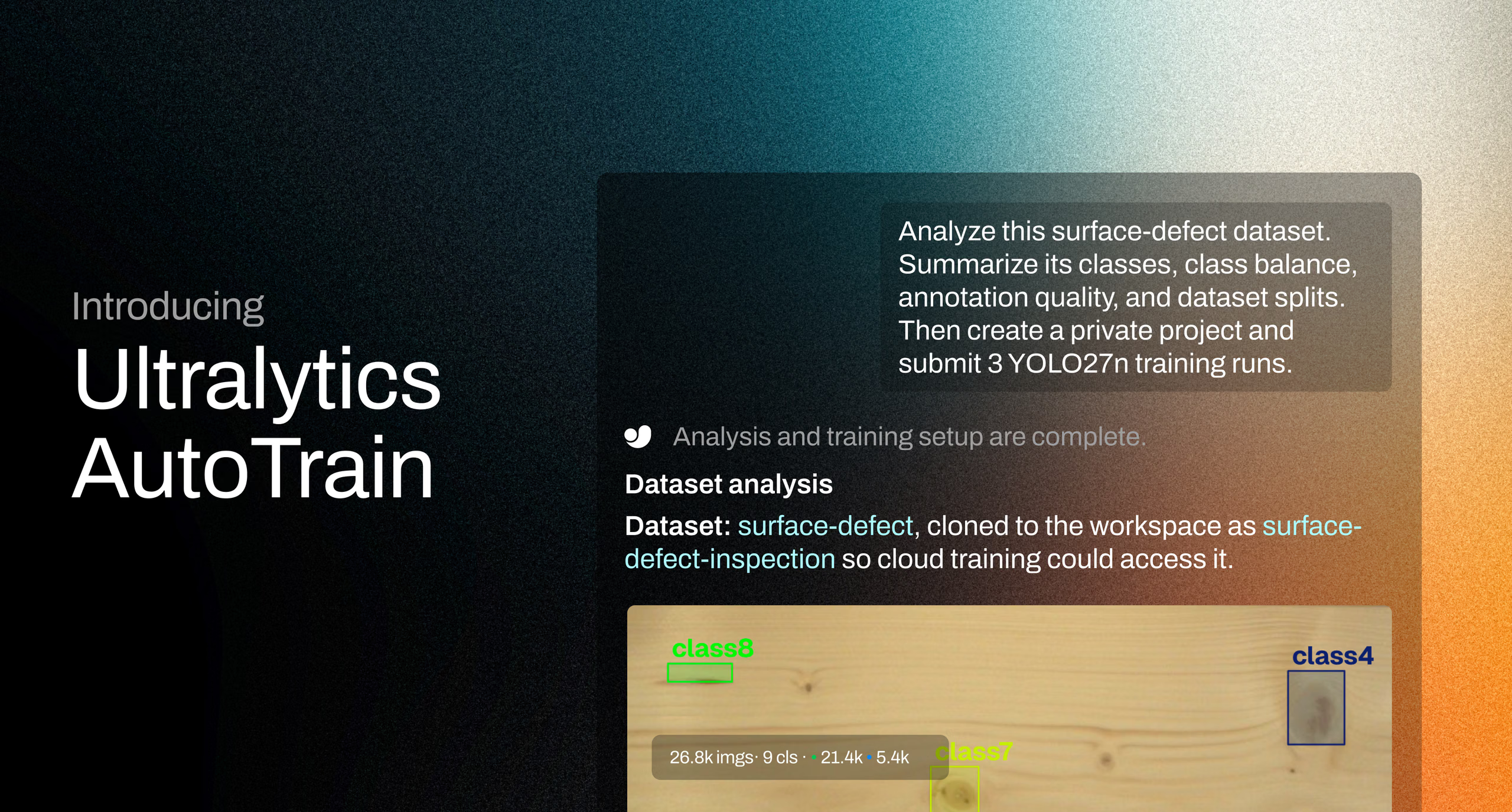
推出 Ultralytics AutoTrain:简化视觉 AI 模型训练

推出 Ultralytics AutoTrain:简化视觉 AI 模型训练

在 Ultralytics Platform 中使用 AutoTrain 训练、比较和改进 Ultralytics YOLO 模型,从初始基线到生产部署。
了解详情
Ultralytics YOLO Vision 2026 亮点速览!

Ultralytics YOLO Vision 2026 亮点速览!

回顾 YOLO Vision 2026 的精彩时刻:Ultralytics 发布了 Ultralytics YOLO27,并展示了 Ultralytics Platform 上的 AutoTrain、Agents 和 Monitoring。
了解详情
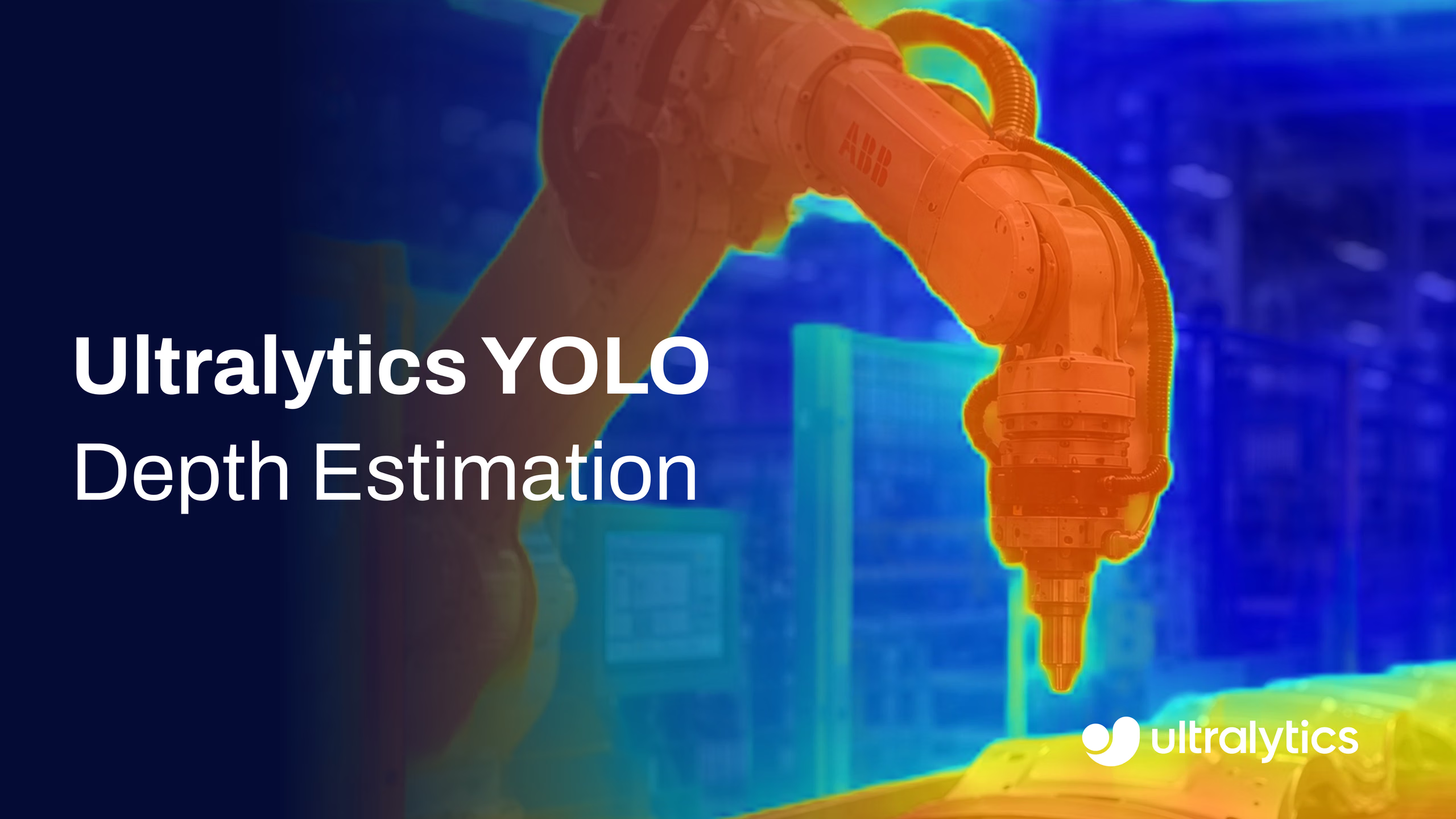
Ultralytics YOLO26 现已支持单目深度估计

Ultralytics YOLO26 现已支持单目深度估计

了解 Ultralytics YOLO26 全新的深度估计任务如何从单张 RGB 图像预测逐像素、具有度量尺度的深度,无需立体相机或 LiDAR。
了解详情
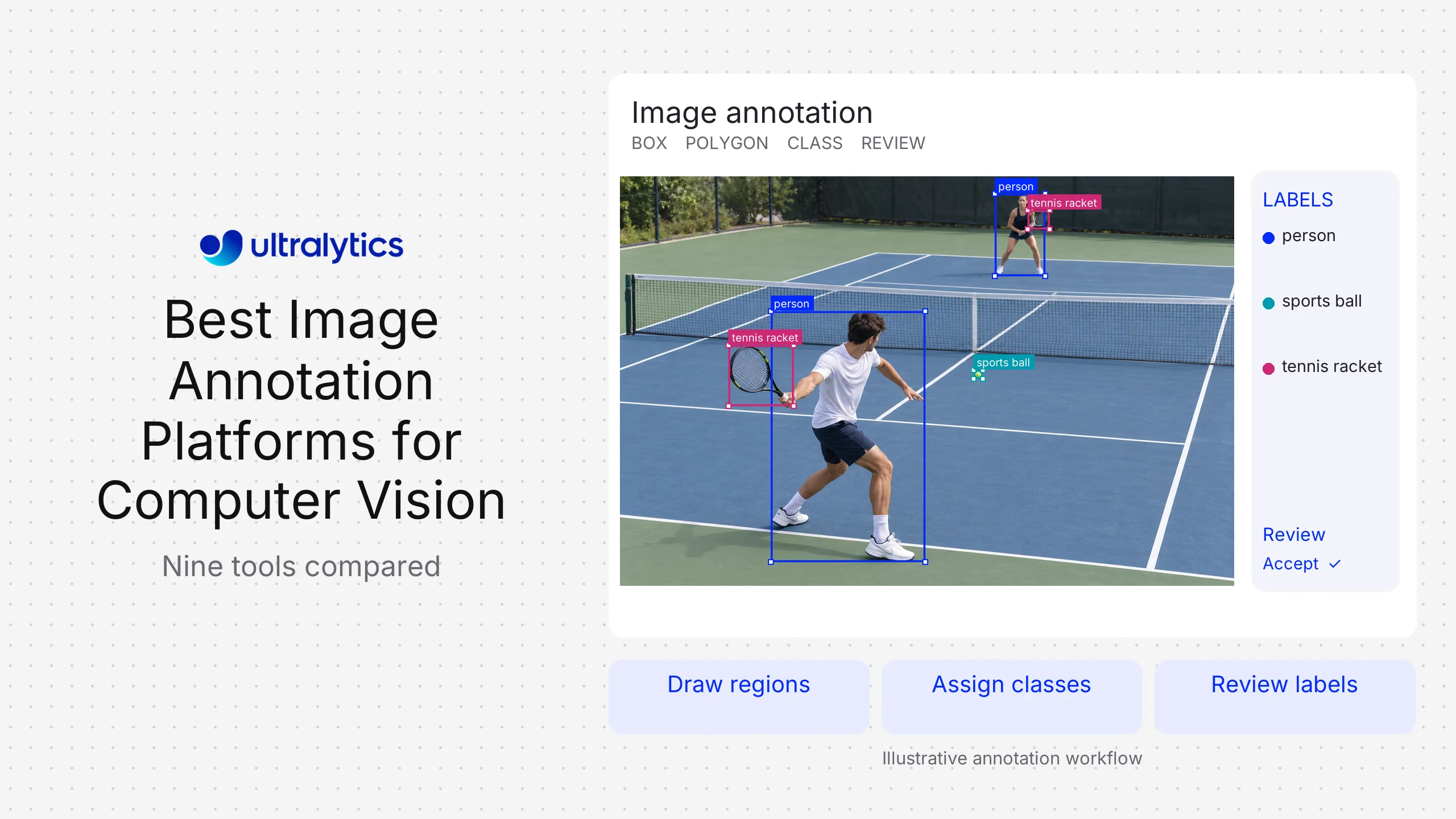
计算机视觉最佳图像标注平台

计算机视觉最佳图像标注平台

比较九种计算机视觉图像标注平台:CVAT、Encord、Label Studio、Labelbox、Roboflow、Scale AI、SuperAnnotate、Ultralytics 和 V7。
了解详情
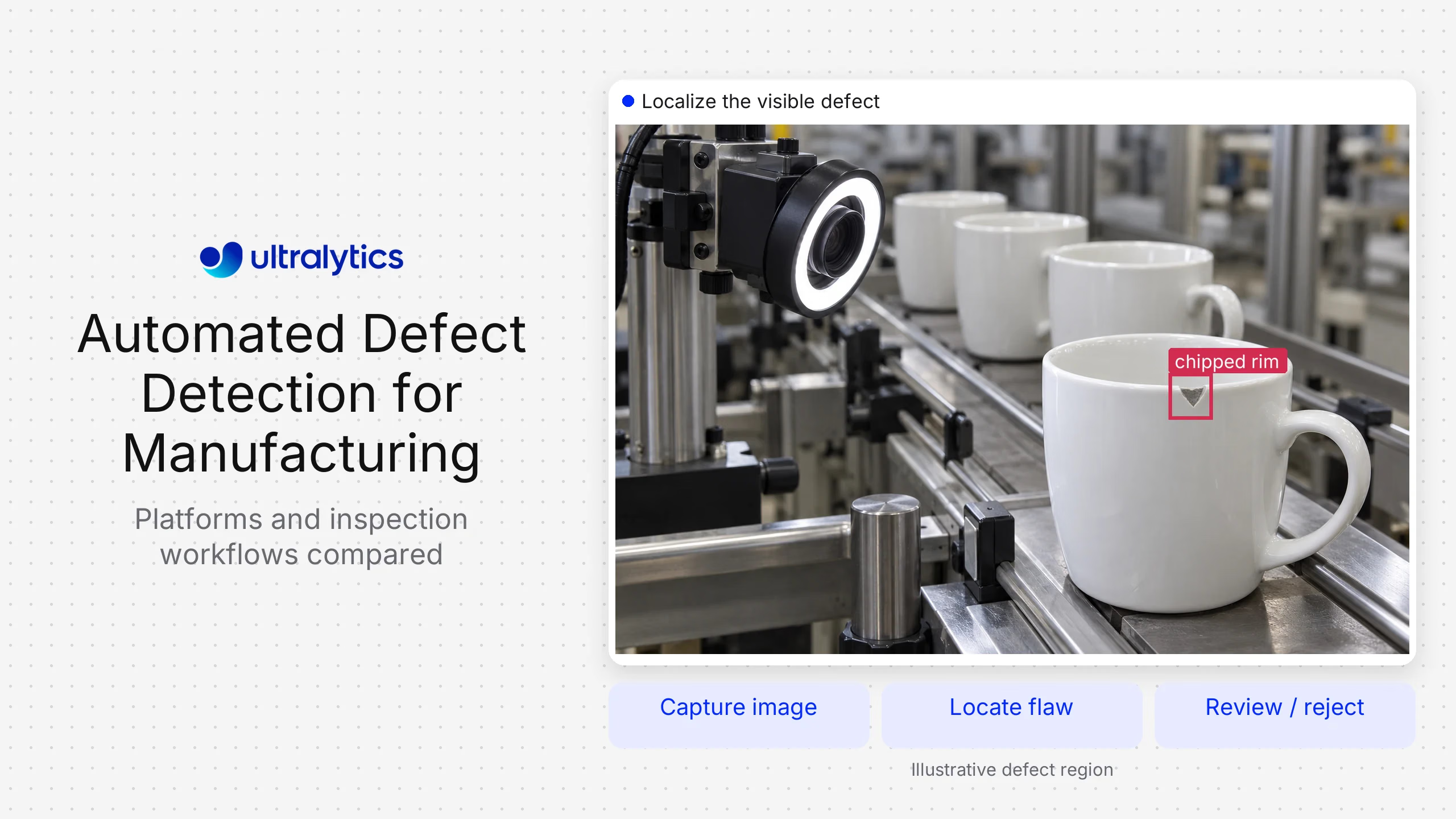
制造业自动化缺陷检测:平台对比

制造业自动化缺陷检测:平台对比

比较自动化缺陷检测平台:Cognex、Instrumental、Keyence、Landing AI、Overview 和 Ultralytics,并了解如何让模型任务与缺陷相匹配。
了解详情
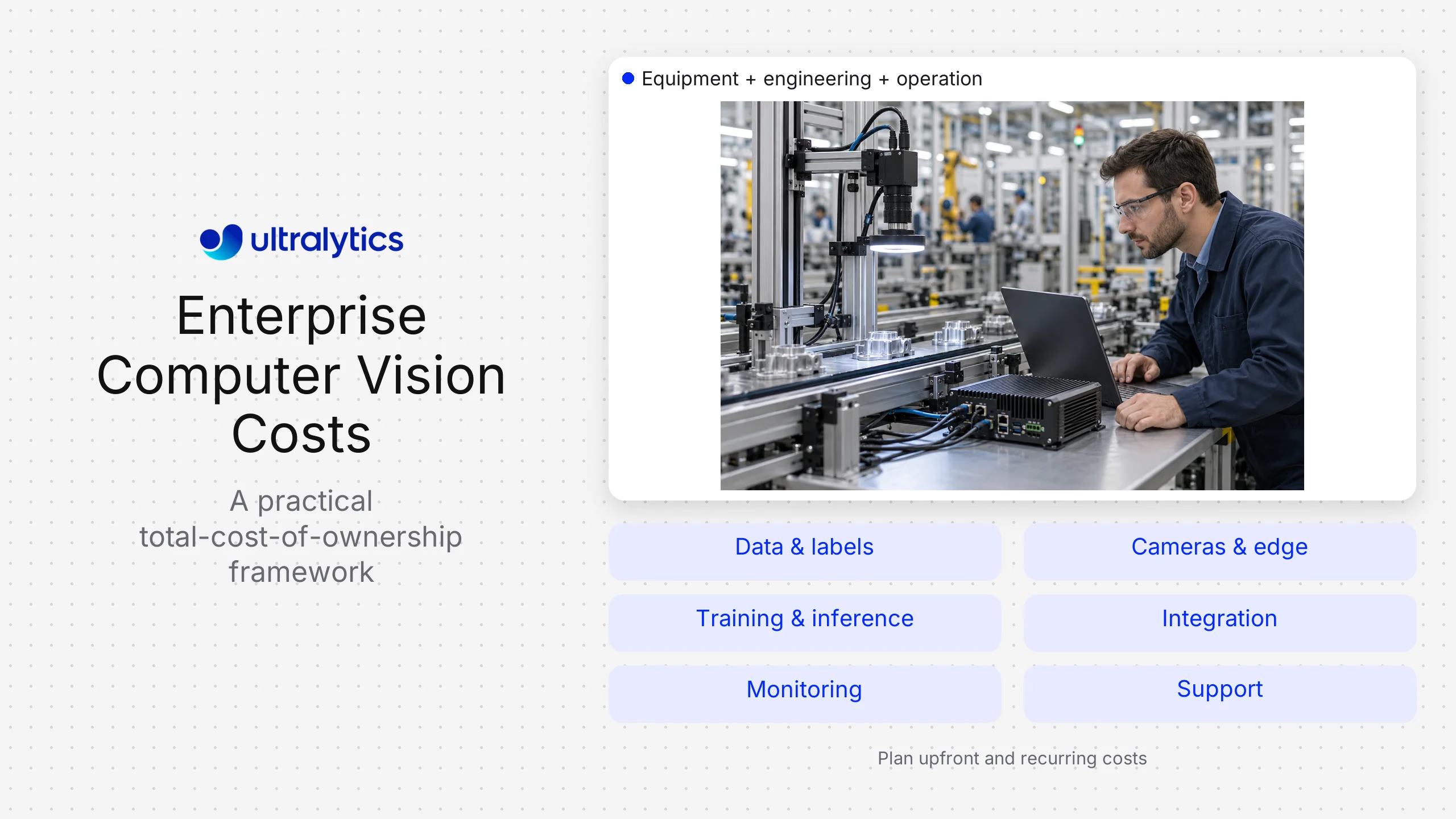
企业计算机视觉的成本:TCO 框架

企业计算机视觉的成本:TCO 框架

企业计算机视觉总成本框架,涵盖数据、标注、摄像头、边缘硬件、训练、推理、集成和再训练。
了解详情
使用计算机视觉进行装配验证与防错

使用计算机视觉进行装配验证与防错

了解计算机视觉如何验证装配的完整性、正确性和顺序:包括成像工位设计、模型任务选择、PLC 集成和验证。
了解详情
大规模计算机视觉推理:七个平台对比

大规模计算机视觉推理:七个平台对比

对比七种计算机视觉推理平台:Azure ML、KServe、NVIDIA Triton、Roboflow、SageMaker AI、Ultralytics 和 Vertex AI,评估延迟和扩展能力。
了解详情

让我们携手构建 AI 的未来!

开启你的旅程,迎接机器学习的未来